Panama Canal traffic rebounds as rains ease drought restrictions
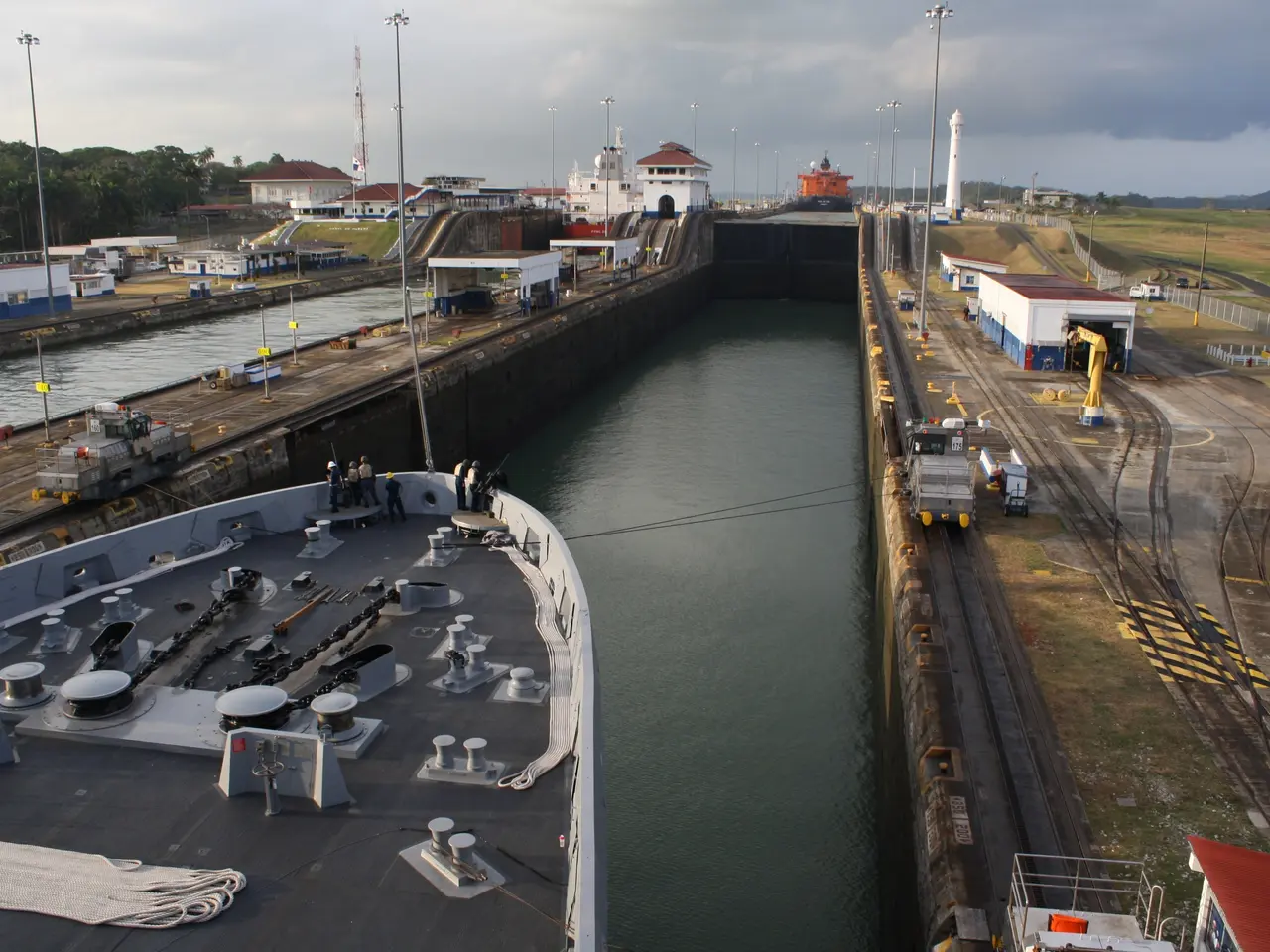
The Panama Canal is seeing a small rise in vessel traffic after months of strict limits. Recent rains have eased restrictions, allowing more ships to pass through each day. The waterway, stretching just 50 miles, remains a key route for global trade—especially as tensions in the Middle East push some ships to seek alternatives.
Last year, severe drought linked to El Niño slashed daily transits from 36 to as few as 24. The canal's water levels dropped so low that authorities had to impose tight controls. Now, an unusually wet dry season has brought relief, raising transits to 40 or 41 per day—above the usual 36.
The canal's shorter length, compared to the Suez Canal, makes it a cost-effective option for ships avoiding longer routes. With fuel prices climbing, more vessels are choosing Panama to cut expenses. While no exact figures exist for LNG ships rerouting from the Strait of Hormuz, industry reports suggest growing interest in the canal as a safer path. At least four cargoes of US liquefied natural gas (LNG), originally bound for Europe, have been redirected to Asia since the Middle East conflict began. The shift reflects changing trade flows, as Europe reduces reliance on Russian gas and US suppliers look for new markets. Panama's capacity to handle around 38 transits daily could support this growing demand. The canal already plays a role in global LNG trade, with about a fifth of the world's supply passing through the Strait of Hormuz. If more ships opt for Panama, the waterway might see increased traffic from Asia-bound energy cargoes.
The Panama Canal now handles more ships than before, thanks to improved water levels and rising fuel costs. Its shorter route and stable transit capacity make it an appealing choice for vessels adjusting to geopolitical risks. For now, the canal remains a vital link in global trade—especially for energy shipments shifting between continents.