Oil prices spike as Iran shuts Strait of Hormuz, crushing gold and silver markets
Oil prices have surged after Iran closed the Strait of Hormuz, a key shipping route. Meanwhile, gold and silver prices have dropped sharply over the past week. The shift has also hit mining stocks, with major companies seeing steep declines in value.
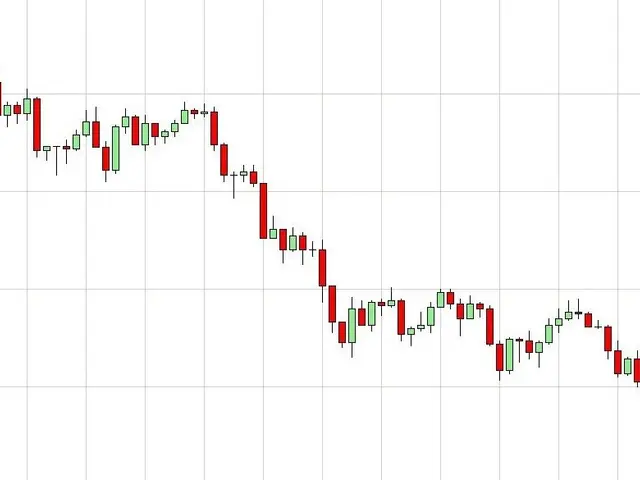
The conflict between the U.S. and Iran initially drove investors toward safe-haven assets. Gold and the U.S. dollar saw early gains as tensions rose. But within days, gold prices reversed course, falling by 10% over seven trading sessions.
Silver suffered even more, dropping by 16% in the same period. The decline extended to mining companies, with America's largest silver producer, Hecla Mining (HL), losing 17% of its stock value. Major gold producers like Newmont Corp. (NEM) and Barrick Mining (B) also fell by 15% and 16% respectively.
Higher oil prices often fuel inflation, which can push the Federal Reserve to raise interest rates. When rates climb, bonds become more appealing to investors, drawing money away from precious metals. This shift typically weakens demand for gold and silver, pushing their prices down further.
The relationship between oil and gold has been unpredictable lately. While oil surged due to supply concerns, precious metals struggled under pressure from rising borrowing costs and shifting investor priorities.
The market reaction highlights how geopolitical tensions can create volatility across different assets. Oil's rise has increased inflation fears, while gold and silver have lost ground as investors adjust their portfolios. Mining stocks now face added pressure from higher costs and reduced demand for precious metals.