Oil price surge forces airlines and shipping firms to slash costs amid Iran tensions
Rising oil prices and operational costs are putting pressure on global aviation and shipping industries. The surge follows escalating tensions between the US and Iran, which have disrupted oil supplies since late February 2026. Both sectors now face tough decisions to manage expenses and maintain services.
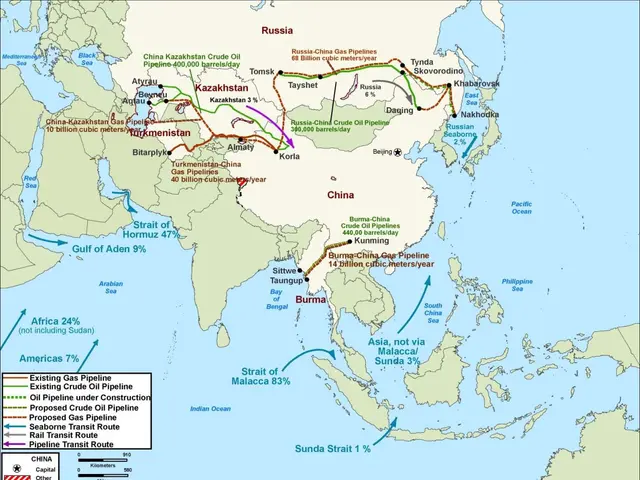
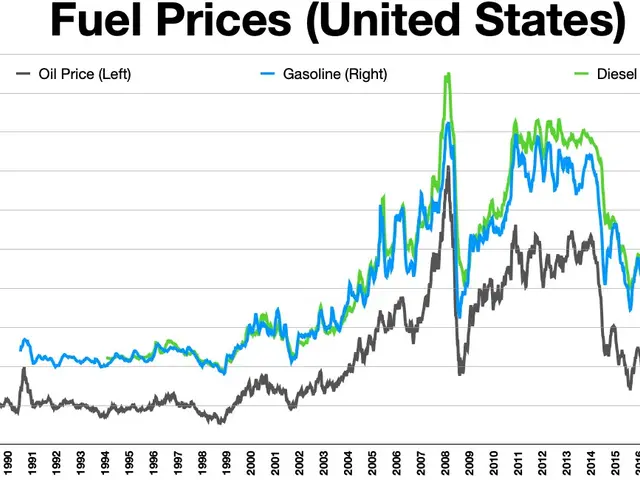
Oil prices have climbed sharply since the Iran War began, with Brent crude peaking near $120 per barrel before settling around $103–110 by mid-March. The conflict has caused supply disruptions in the Strait of Hormuz, leading to high volatility in fuel markets. Kerosene and jet fuel costs have risen as a result, hitting airlines hard.
Europe, particularly Germany, has seen gasoline prices exceed €2 per litre, while inflation has spiked. The Middle East, including Bahrain and the UAE, has also faced economic strain due to attacks on oil infrastructure and shipping routes. The International Energy Agency (IEA) has called this the largest oil market disruption in history. Airlines are now reviewing their operations, with some considering route cuts or reduced flight frequencies due to low passenger numbers and high fuel expenses. Cost management has become a priority, and consolidation may follow. The shipping sector is equally affected, with operational costs climbing. Some operators plan to introduce surcharges to offset expenses. Malaysia's aviation and logistics industries, however, have not yet reported major disruptions. The National Economic Action Council (NEAC) is working to address challenges in shipping, while the government monitors the situation closely. Discussions with industry leaders are ongoing to find solutions.
The aviation and shipping sectors must adapt to sustained high costs driven by geopolitical tensions. Airlines may reduce services, while shipping firms could raise prices for customers. Authorities continue to engage with businesses to limit wider economic impacts.