Oahu tightens rules for shipping container storage sheds amid weather chaos
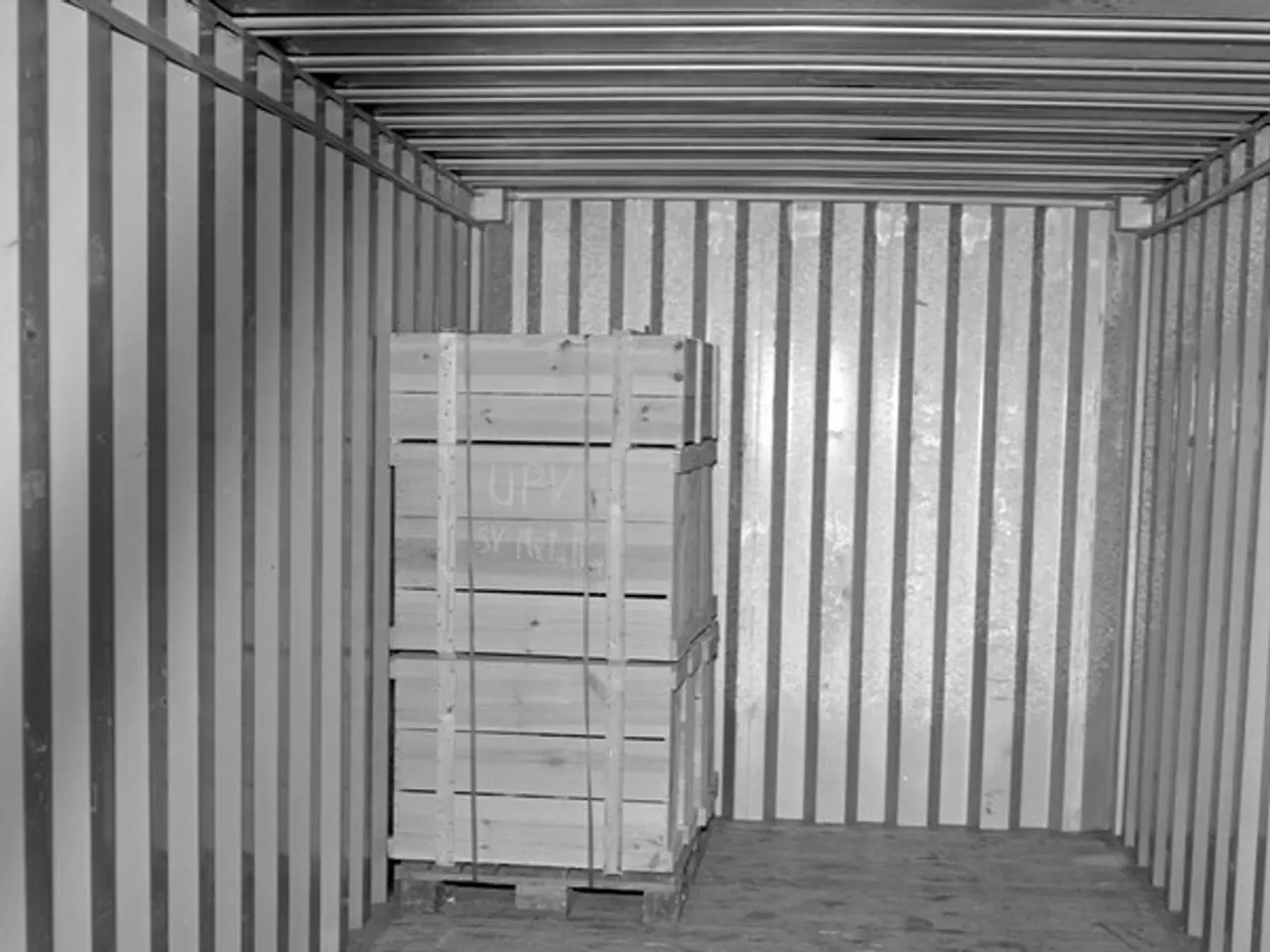
Oahu residents using shipping containers as storage sheds must now follow updated permit rules. The regulations depend on size, placement, and whether utilities are connected. Meanwhile, recent severe weather has disrupted local services and prompted flood alerts.
Under the new guidelines, containers smaller than 120 square feet do not need a permit. Common sizes include 10-foot (80 sq ft), 20-foot (160 sq ft), and 40-foot (320 sq ft) units. Larger containers, or those with plumbing and electricity, require official approval.
All storage sheds must sit outside the required setbacks: 10 feet from the front property line and 5 feet from side and rear boundaries. The city has not released figures on how many households applied for or received permits in 2023 or 2024.
In other news, severe weather led Honolulu's Department of Environmental Services to cancel a Household Hazardous Waste collection event. The rescheduled date is now April 4. Residents have also been reminded of flood alert differences: a watch means conditions favour flooding, a warning signals imminent danger, and a flash flood warning demands immediate movement to higher ground.
The permit rules aim to balance practical storage needs with safety and zoning compliance. Residents must check container sizes and utility connections before installation. Meanwhile, weather-related disruptions continue to affect local services, with flood preparedness remaining a priority.
Read also:
- United States tariffs pose a threat to India, necessitating the recruitment of adept negotiators or strategists, similar to those who had influenced Trump's decisions.
- Weekly happenings in the German Federal Parliament (Bundestag)
- Massive 8.8 earthquake hits off the coast of Russia's Kamchatka Peninsula, prompting Japan to issue a tsunami alert.
- Court petitions to reverse established decision on same-sex marriage legalization