NYC cracks down on noise pollution with hefty fines and high-tech cameras
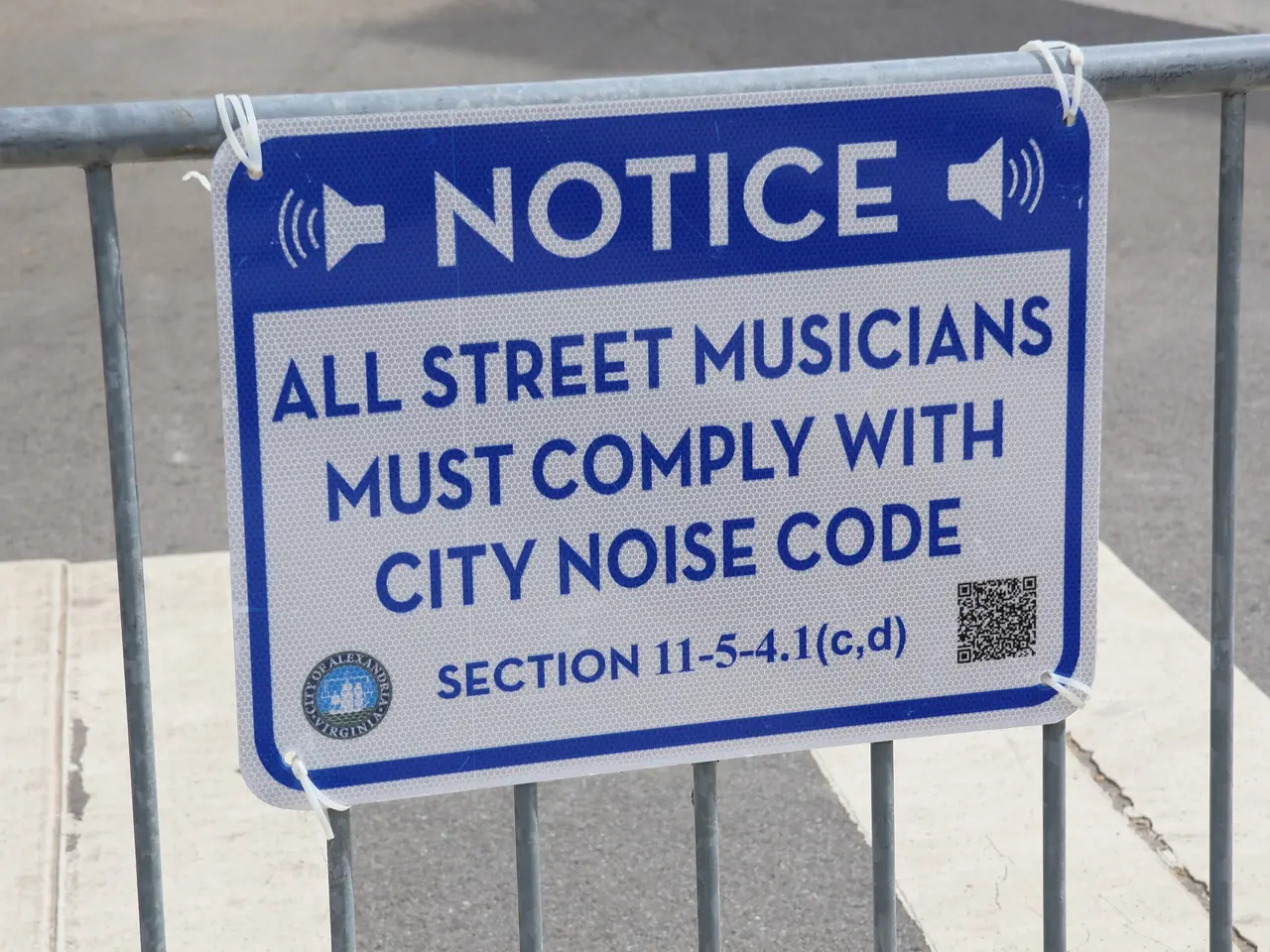
New York City is stepping up its fight against noise pollution with stricter fines and new technology. The move comes after a surge in complaints, with over 738,000 calls reported in 2024 alone. Authorities aim to make evenings quieter while also tackling environmental and health concerns. The city has already raised fines for illegal muffler and exhaust modifications to $1,000 since 2021. Under the updated City Noise Code and Local Law 7 of 2024, vehicles exceeding 85 decibels now face penalties of up to $2,500. These measures target loud cars and motorcycles, which have long been a major source of frustration for residents.
To enforce the rules, New York is expanding its use of hidden noise-monitoring cameras. These devices combine sensitive microphones, 360-degree fisheye lenses, and license plate readers to catch offenders. While the exact number of cameras in Midtown and Brooklyn remains undisclosed, reports confirm the network will grow significantly by spring 2026.
The crackdown extends beyond traffic noise. From April 21, 2026, large construction sites must install continuous noise-monitoring systems. This requirement follows years of rising complaints, as chronic noise exposure has been linked to sleep disruption, increased stress, and even long-term hearing damage. The new enforcement efforts aim to reduce noise levels across the city. With higher fines, advanced cameras, and stricter construction rules, officials hope to create a quieter, healthier environment. The changes also align with broader public health goals, addressing issues tied to prolonged noise exposure.