NVIDIA's wild 2026 stock ride: From AI crash to cautious recovery
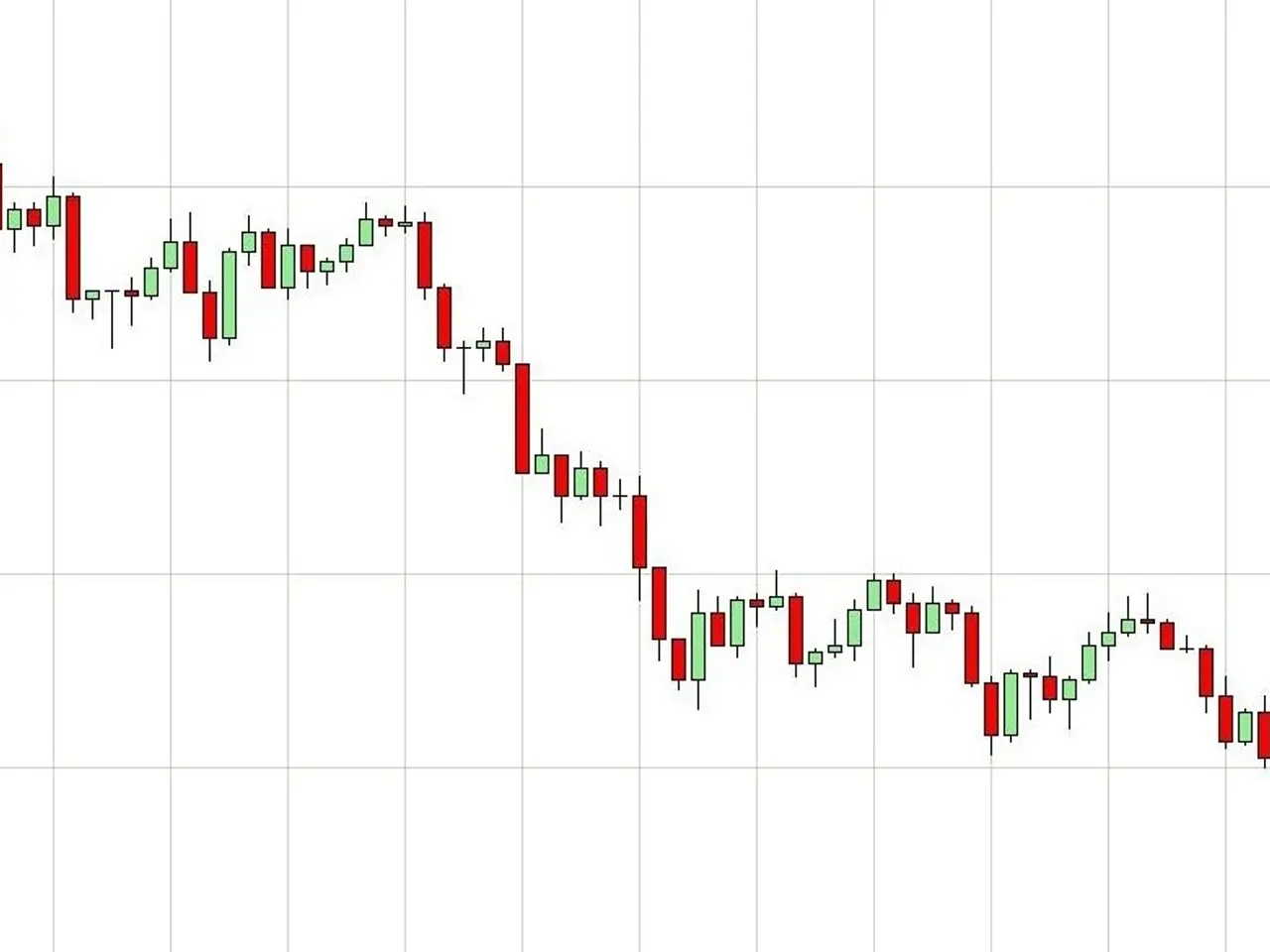
NVIDIA's stock has seen dramatic swings in early 2026, despite a long-term surge in value. After a sharp sell-off alongside other AI-focused firms, the company's shares have since rebounded, gaining 4.92% year-to-date by late February. This volatility has led some traders to consider strategies like the bear call spread to navigate uncertain market conditions. NVIDIA's stock performance over the past two decades has been extraordinary. A $10,000 investment five years ago would now be worth around $100,000, reflecting a 10x return. Over 20 years, the stock has climbed by 36,617%, cementing its place as a tech giant with a market capitalisation exceeding $4 trillion. Recently, shares have traded near $175, though resistance at $190 and $195 has repeatedly pushed prices back down.
At the start of 2026, NVIDIA faced a steep decline as part of a broader AI sector correction. The drop was worsened by rising tensions in the Middle East, adding to market instability. However, recovery soon followed, supported by strong quarterly earnings, soaring demand for AI chips, and a $500 billion order backlog for 2025-2026. The company's dominance in the CUDA ecosystem further bolstered confidence, though risks like TSMC supply chain delays and slower hyperscaler spending remain.
For traders expecting neutral or mildly bearish conditions, the bear call spread offers a controlled approach. This strategy involves selling a call option at a lower strike price while buying another at a higher strike, both with the same expiration. The maximum profit equals the initial net credit received, provided the stock stays below the short strike. Losses, meanwhile, are limited to the difference between the two strike prices, minus the credit. NVIDIA's stock has shown resilience in 2026, recovering from early-year losses to post modest gains. The bear call spread remains a popular tool for traders looking to capitalise on sideways or slightly declining markets while keeping risk in check. With NVIDIA's fundamentals still strong, market participants continue to watch its trajectory closely.