Northeast India's Railways Fight Climate Change with Trees and Electric Trains
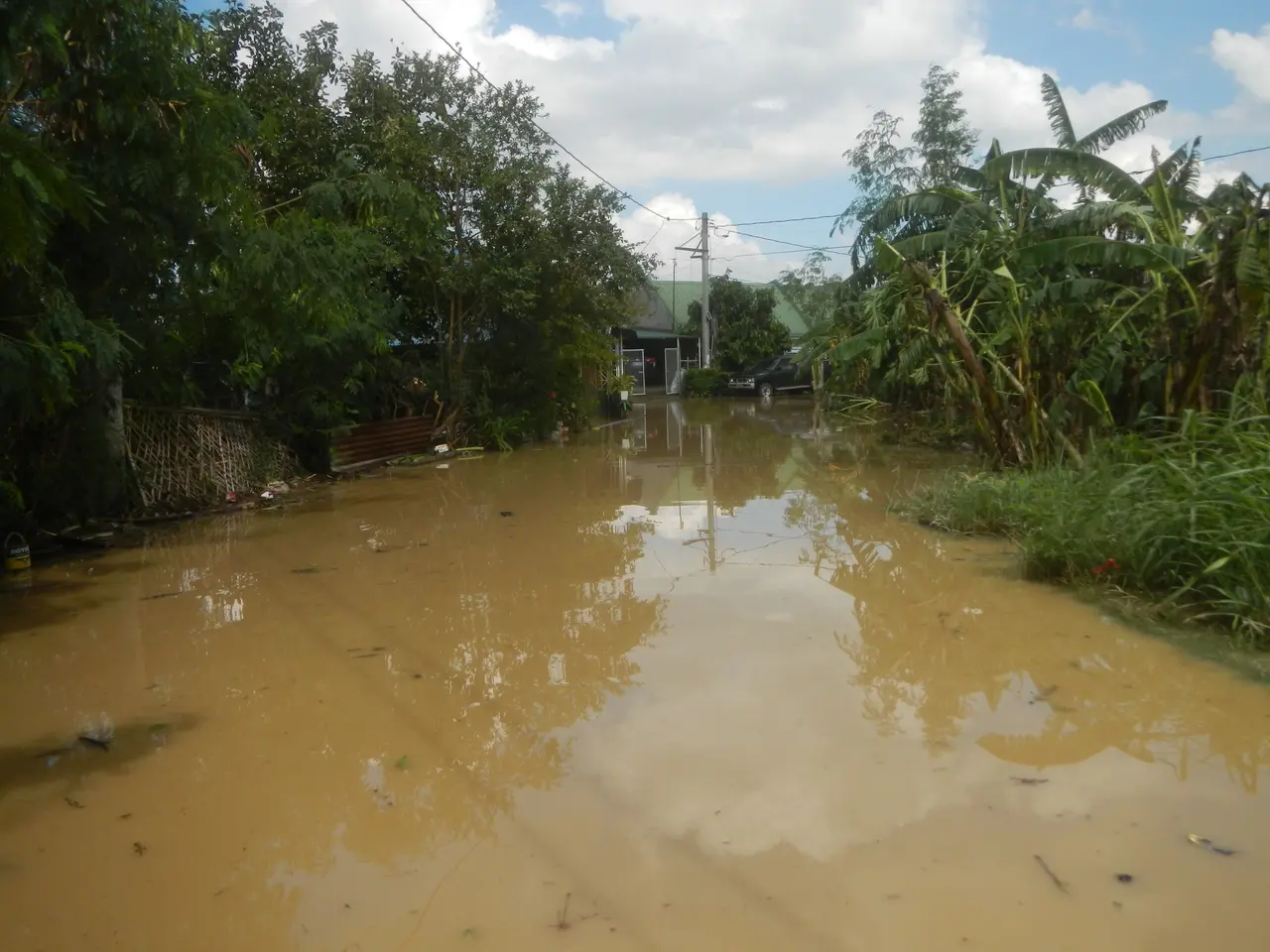
The Northeastern Frontier (N. F.) Railway is taking steps to combat climate change while dealing with rising flood and landslide risks. Heavy pre-monsoon rains between March and May mark the start of the region's most destructive season, causing over Rs 200 crore in damage to railway assets in the last five years alone.
To cut emissions and protect infrastructure, the railway has planted more than 9 lakh tree saplings in half a decade and electrified over 96% of its tracks, phasing out diesel engines.
The Eastern Himalayas face unique challenges due to fragile geological conditions. The central government and railway ministry now factor these risks into project designs to limit harm to sensitive formations. Engineers also refine construction methods to better withstand floods and landslides, aiming to lower repair costs for new and existing lines.
One key project currently underway is the broad-gauge railway from Jiribam to Imphal in Manipur. Plans include a 70 km extension to Moreh, near the Myanmar border, with a matching 135 km line proposed from Kalay to Tamu on the Myanmar side. These links are expected to boost cross-border trade while reducing reliance on roads.
Shifting freight from road to rail has already made progress. Since 2019, railways in the region have moved an additional 2672 metric tonnes of goods, cutting carbon dioxide emissions by 143.3 million tonnes. Rail transport offers a cleaner alternative, with lower emissions, better energy efficiency, and less congestion compared to road haulage.
Electrification plays a major role in these efforts. By converting over 96% of its network, N. F. Railway has slashed diesel use, further reducing its carbon footprint. Alongside this, large-scale tree planting—over 9 lakh saplings in five years—helps stabilise soil and absorb emissions, easing climate pressures on the region's infrastructure.
The combined efforts of electrification, reforestation, and improved engineering aim to make railway operations more resilient and sustainable. With freight shifting from road to rail, emissions continue to fall, while better project designs help limit damage from extreme weather. The focus remains on balancing development with environmental protection in this vulnerable region.