Recreational Destination, Dream Location, Patient - What's Good for the Forest - North Rhine-Westphalia’s forests battle climate change and human pressure
Forests in North Rhine-Westphalia are facing growing threats from climate change and human activity. These woodlands, long cherished as open recreational spaces, now struggle with extreme weather, invasive pests, and rising visitor numbers. The combination of environmental stress and increased foot traffic is putting pressure on ecosystems that have thrived for centuries.
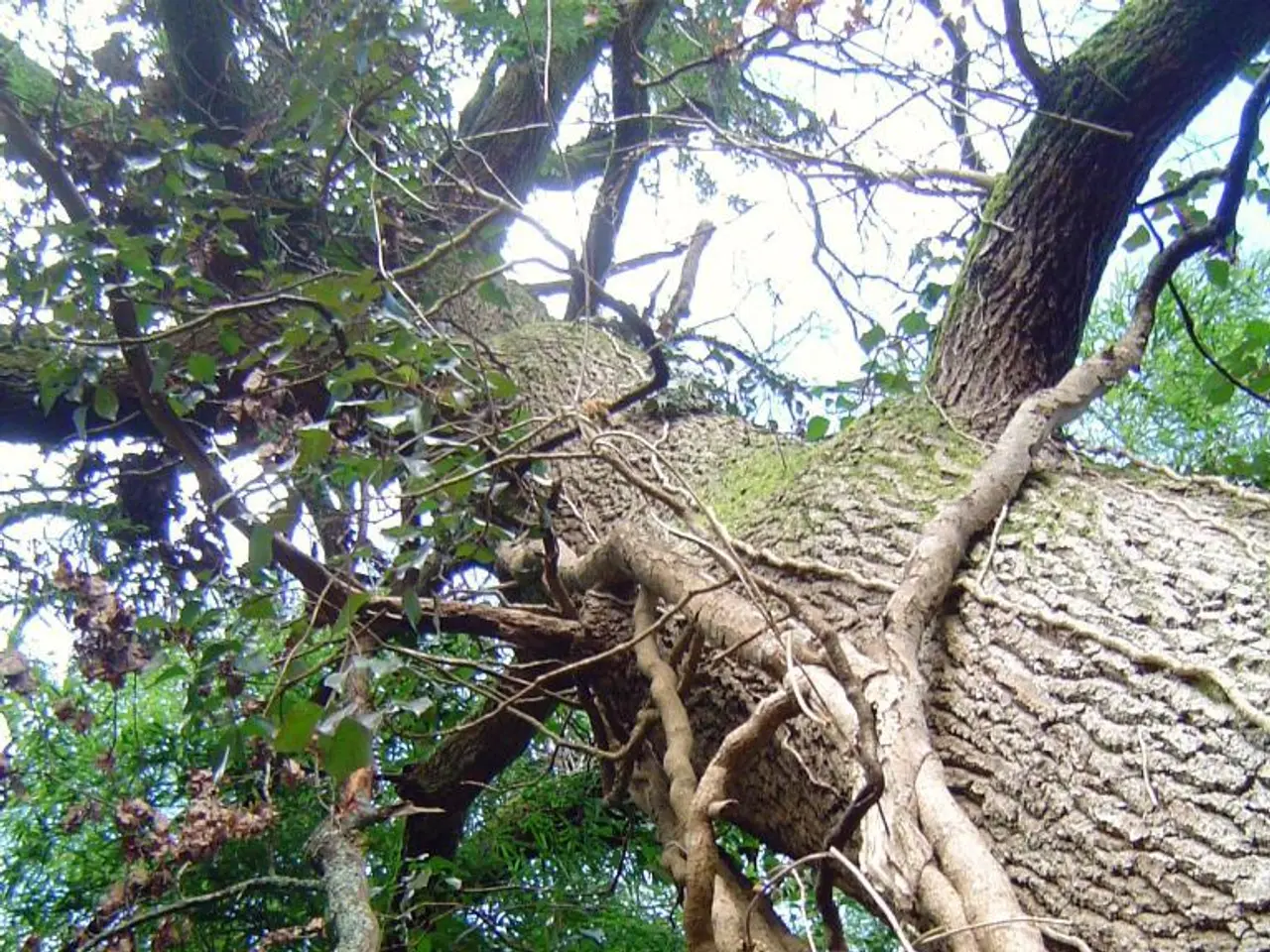
Droughts and erratic rainfall linked to climate change are weakening trees across the region. Spruce forests, once dominant, now suffer from heat stress, bark beetle attacks, and prolonged dry spells. Many are being harvested at just 40 to 50 years old—far younger than the 80 to 100 years seen in past generations. Beech trees, too, are showing widespread damage, while oak processionary moths and sooty bark disease in sycamores pose risks to both forests and public health.
The pressures on North Rhine-Westphalia’s forests are clear: climate shifts, invasive pests, and rising visitor numbers demand action. Reforestation strategies now focus on diversity and adaptability, aiming to safeguard ecosystems for future generations. Without intervention, the region’s woodlands—and the benefits they provide—could face irreversible decline.