NOAA's New Method Reshapes How El Niño and La Niña Are Measured
The way El Niño and La Niña events are measured has changed. NOAA updated its calculation method in 2023 to reflect how global warming is altering weather patterns. The new approach could mean fewer extreme classifications in the future.
Scientists also warn that a shift from a long La Niña phase to an upcoming El Niño may push global temperatures even higher by 2027. The change has already played a role in recent record-breaking heat.
NOAA's old system relied on a fixed 30-year average to define El Niño and La Niña events. Now, it compares ocean temperatures to the rest of the tropics, adjusting for broader warming trends. This relative method, using the ERSST v5 dataset, has led to fewer events being classified as extreme.
Between 2021 and 2025, the update downgraded weak events like the 2021 La Niña and shortened the 2023–2024 El Niño's recorded duration. The new thresholds also resulted in cooler sea surface temperature anomalies overall.
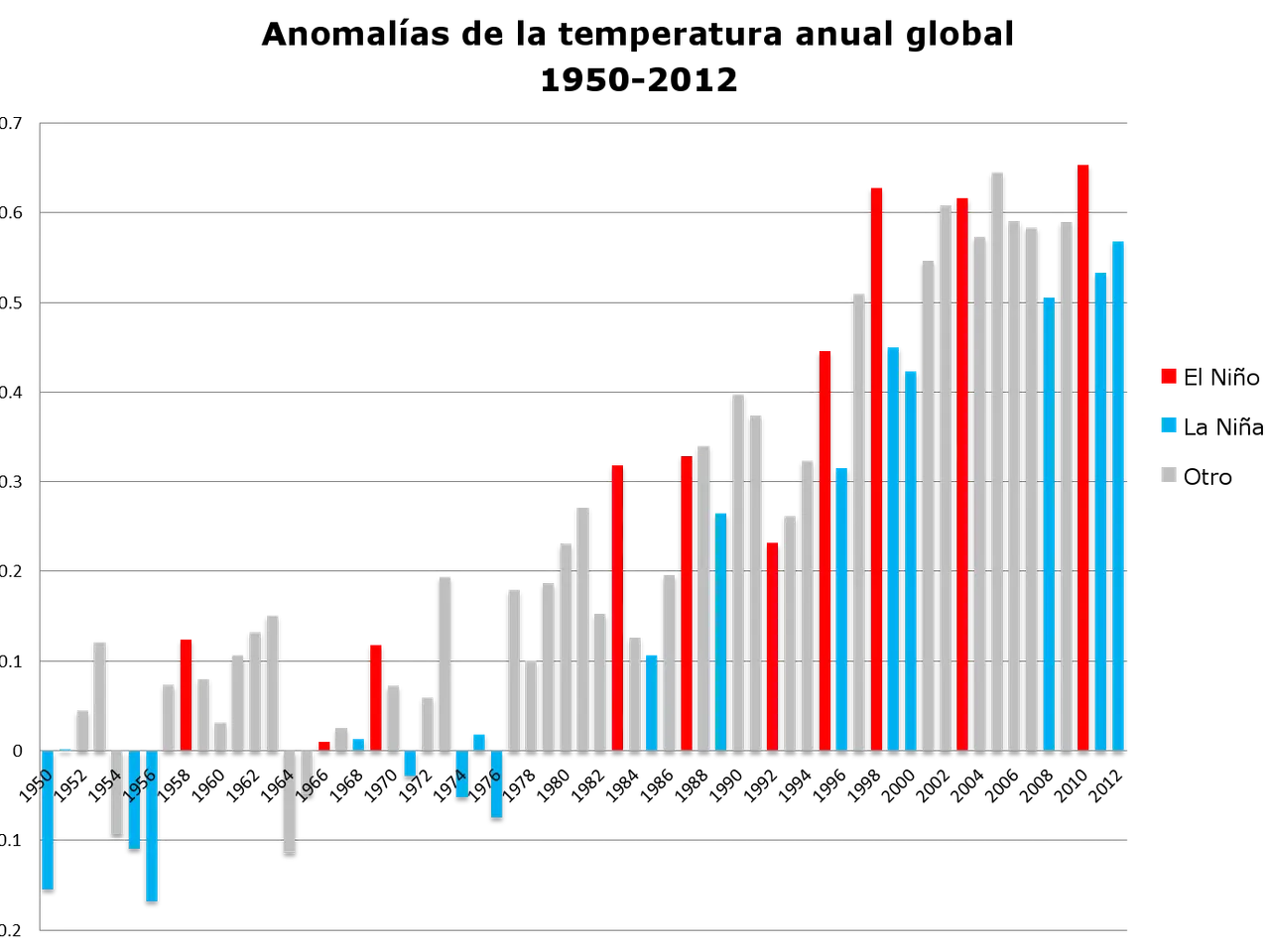
A recent study linked the shift from a prolonged La Niña (2020–2023) to the current El Niño phase to Earth's temperature spike over the past three years. Researchers described the transition as 'popping the lid off,' releasing trapped heat. About 23% of the energy imbalance driving recent warming came from this extended La Niña, with the rest tied to long-term climate change.
NOAA now forecasts another El Niño developing later this year. While it may reduce Atlantic hurricane activity, the phenomenon is likely to contribute to even warmer global temperatures by 2027.
The updated NOAA method will probably identify fewer El Niño and more La Niña events going forward. With heat already built up in Earth's system, extreme weather is expected to persist.
The combination of natural climate cycles and human-caused warming means temperatures will likely keep rising in the coming years.