Nizhny Novgorod updates vaccine push as tick season approaches
Health officials have issued updated vaccination recommendations for residents in Nizhny Novgorod and beyond. The advice covers routine immunisations, travel precautions and seasonal protection against tick-borne diseases. Authorities also highlighted gaps in coverage for certain high-risk groups.
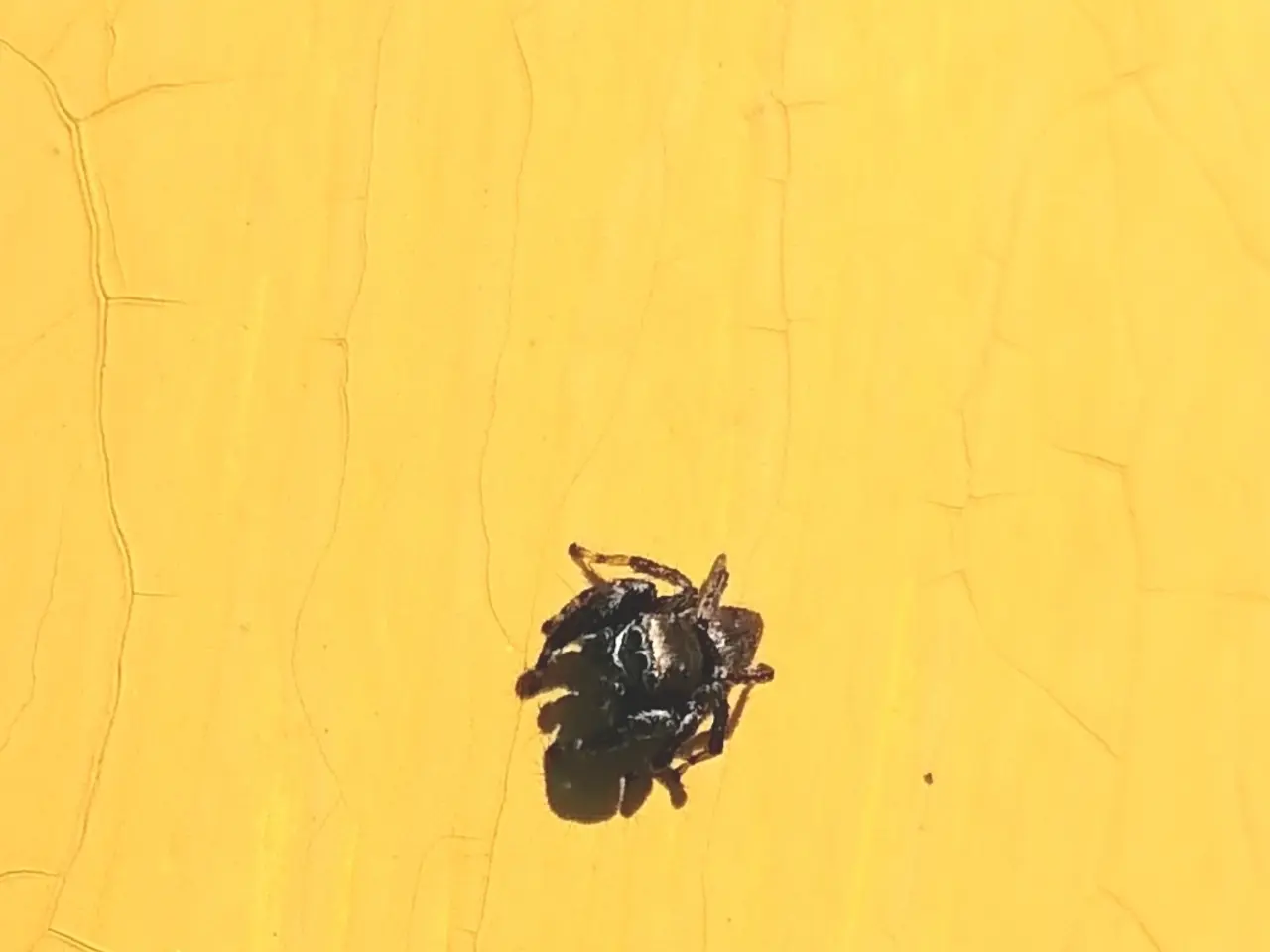
In 2023, around 45,000 people in Nizhny Novgorod received the tick-borne encephalitis (FSME) vaccine. The region lagged behind Perm Krai, where over 120,000 were immunised, along with Sverdlovsk Oblast and Kirov Oblast. Local residents are now urged to finish their FSME vaccination course by April, before tick activity rises.
February and March are seen as the best months for catching up on childhood vaccines. These include measles, rubella, whooping cough and polio. Adults are also reminded to check if their diphtheria and tetanus booster—required every decade—is overdue.
Specific groups have been advised to prioritise additional vaccines. Women planning a pregnancy, or those who've never had chickenpox, should consider the varicella jab. Travellers to South America or Africa are strongly recommended to get the yellow fever vaccine. Meanwhile, pneumococcal vaccination is advised for anyone over 65, as well as those with chronic lung or heart conditions or diabetes.
The recommendations aim to close immunisation gaps before the warmer months. Residents in high-risk areas for tick-borne encephalitis have until April to complete their vaccinations. Officials stress that timely immunisation reduces preventable illnesses across all age groups.