New Study Exposes Deadly Police Disparities for Indigenous Communities in the U.S.
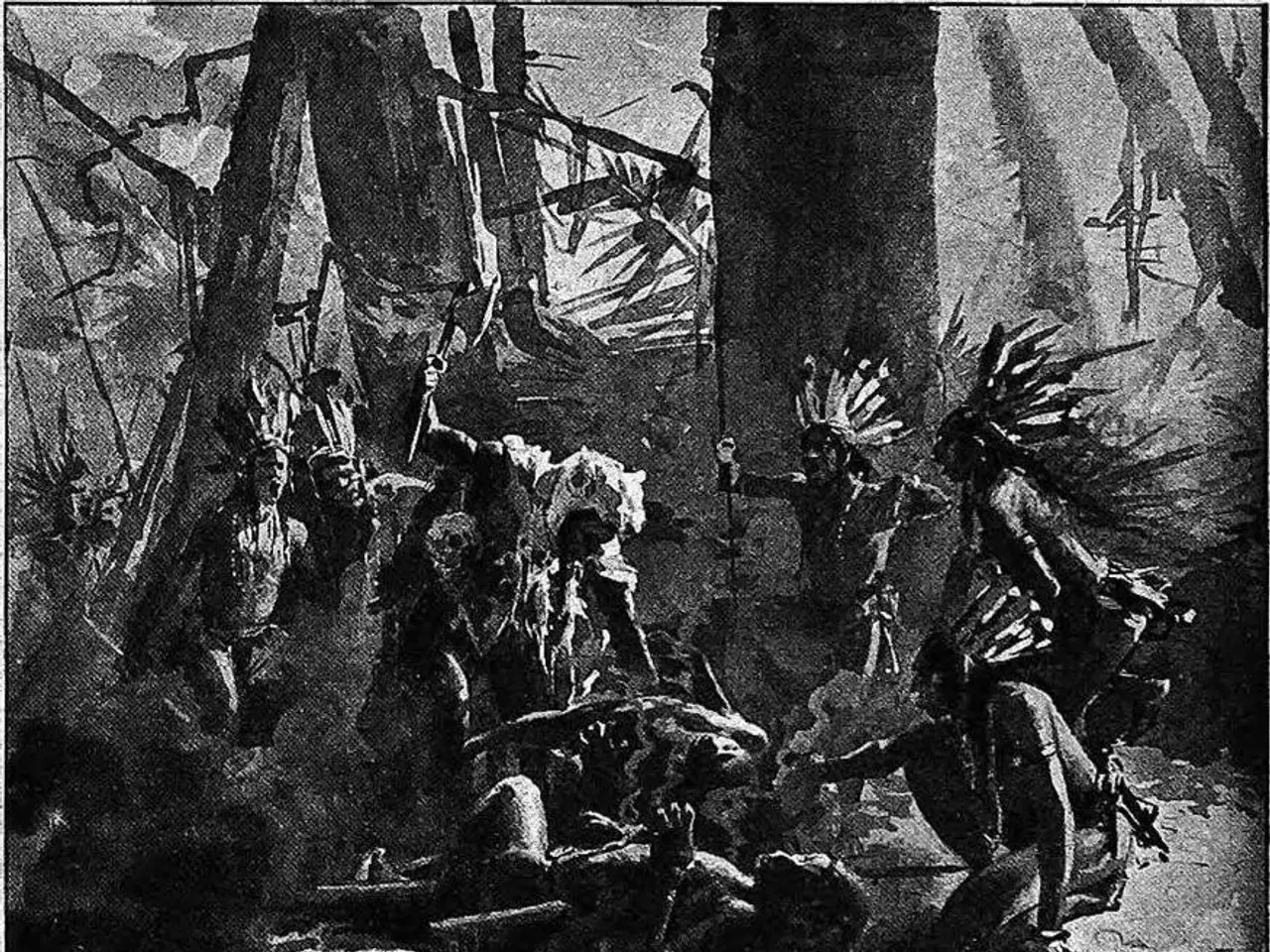
A new study has uncovered stark disparities in fatal police encounters involving American Indian and Alaska Native (AIAN) individuals in the United States. The research shows that these communities face a far higher risk of deadly force, particularly on or near reservation lands. Despite long-standing concerns from Indigenous advocates, few states have taken meaningful steps to address the issue.
The findings highlight that 73% of fatal police encounters with AIAN people occur on reservations or within a 10-mile radius. Yet, only 40% of the AIAN population actually lives in these areas. This suggests the risk is not simply due to population density but points to deeper systemic problems.
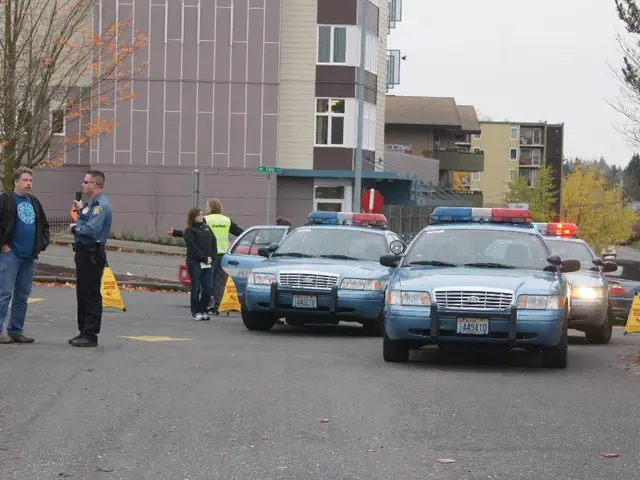
Federal, state, and tribal police are responsible for most of these deaths on reservations. The study also found that in 20% of cases, officers did not provide a clear reason for stopping individuals before fatal outcomes occurred. Historical factors—such as disinvestment, complex policing structures, and routine harassment—further contribute to the high fatality rates.
Border areas around reservations emerge as especially dangerous zones. Racial profiling and the vulnerability of local populations play a significant role in the elevated risks. The presence of multiracial AIAN individuals also increases the population percentage near reservations to nearly 50%.
Since 2013, fewer than 10 states have introduced laws or reforms aimed at improving police practices on or near reservations. Most efforts have been limited to states like Montana, South Dakota, and Arizona, where large tribal populations reside. The study helps bridge the gap between Indigenous advocacy and empirical evidence of policing harms.
The research confirms what Indigenous communities have long reported: a disproportionate threat of police violence near reservation lands. With limited state-level reforms in place, the findings underscore the need for targeted policy changes. The data now provides a clearer basis for addressing these persistent and deadly disparities in the United States.