New gas tariffs to raise household bills by October 2025
According to the regulator's calculations, the direct impact on household bills will be €0.89 per month for a childless couple and €1.58 per month for a couple with two children.
The change in tariffs stems primarily from two factors: rising natural gas procurement costs and an increase in network access fees, driven by declining demand and higher infrastructure investment, the Energy Services Regulatory Authority (ERSE) explained in a statement.
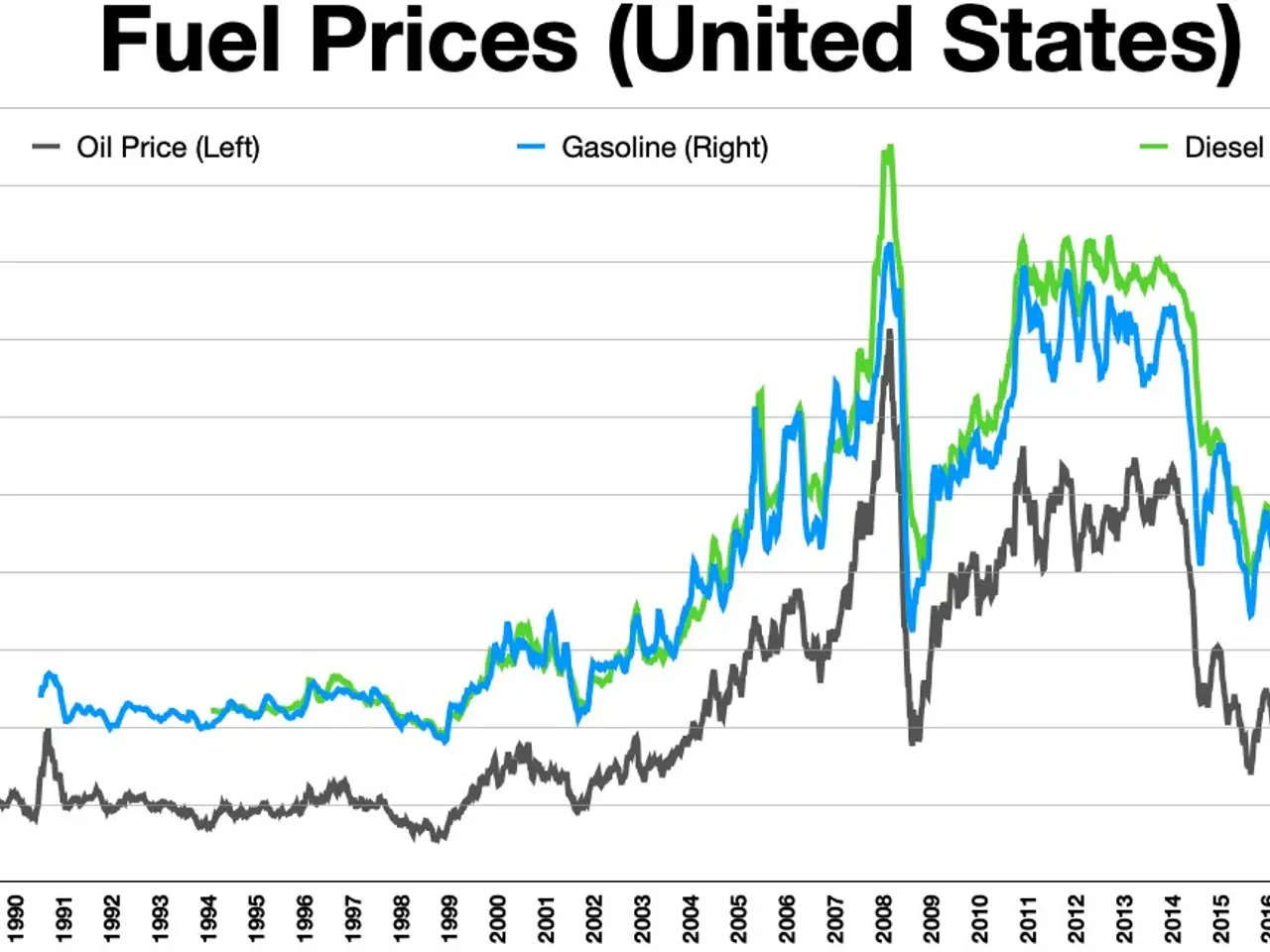
The price of gas for Last Resort Suppliers (CUR) is tied to long-term "take or pay" contracts signed before market liberalization between Galp and Nigeria, which are partially linked to oil prices (Brent).
Meanwhile, oil prices surged following the military strike launched on February 28 by the United States and Israel against Iran, reducing fossil fuel supply and heightening uncertainty over gas price trends.
ERSE notes that any current forecast carries a high degree of uncertainty. Future developments will depend on the conflict's duration, the reopening of the Strait of Hormuz, the extent of damage to the region's energy infrastructure, the effectiveness of strategic reserve releases, and how other oil producers adjust production and alternative transport routes.
In this context, the regulator has pledged to "closely monitor market conditions and geopolitical developments in the lead-up to the final tariff publication in June, assessing whether the current projections need revision."
The rise in network access fees—applied in both regulated and liberalized markets—is largely due to the continuing decline in natural gas demand.
"Network access tariffs primarily recover the permitted revenue for operating the national gas system's infrastructure, most of which consists of fixed costs. Therefore, a drop in gas demand across these infrastructures leads to higher per-unit costs for consumed natural gas, pushing tariffs in the same direction," the regulator clarified.
ERSE also emphasized that "under this tariff proposal, final prices for customers in the regulated market will have seen an average annual increase of 5.3% over the past five years."
The proposal now moves to the Tariff Council for review before final approval of the rates, which will take effect in October.
The new tariff plan will cover the roughly 437,000 consumers who remained in the regulated market as of the end of June 2025.
In the liberalized market, final sale prices for customers vary by supplier and depend on the commercial terms agreed upon with the consumer.