Memorials demand inclusion of Nazi concentration camps in UNESCO World Heritage list - Nazi Camp Memorials Seek UNESCO Protection Amid Rising Far-Right Threats
Memorial sites at former Nazi concentration camps are pushing for UNESCO World Heritage status. The move aims to secure their long-term protection amid growing political uncertainty. Campaigners warn that rising far-right support and antisemitism threaten the preservation of these historical sites.
The Auschwitz-Birkenau complex has been a UNESCO World Heritage Site since 1979. Now, directors from memorials like Dachau, Buchenwald, and Bergen-Belsen want similar recognition for other former camps. They argue that these sites demonstrate the consequences of failing to protect human dignity.
UNESCO listing would ensure preservation regardless of political shifts. To qualify, sites must show outstanding universal value, such as bearing unique testimony to a significant human event. They must also prove authenticity, integrity, and a solid protection plan. The call comes as far-right parties, including Germany's AfD, gain influence. Critics say some populist groups do not fully support democratic values or the rule of law. Meanwhile, antisemitism has surged in Europe, with recent explosions outside Jewish institutions in the Netherlands. Holocaust survivor Micha Gelber has stressed the need to remember the past to prevent history from repeating itself.
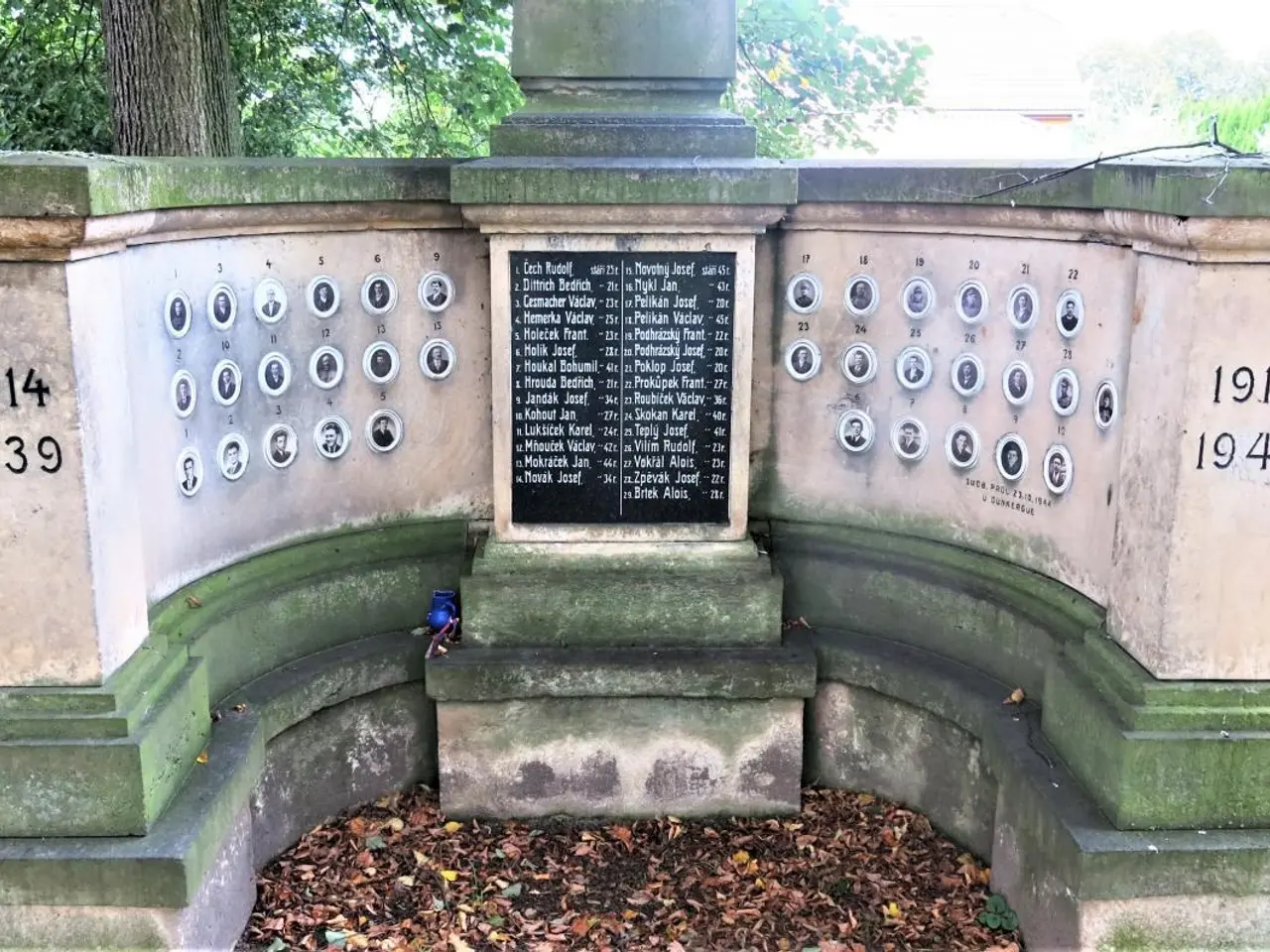
If successful, the UNESCO bid would safeguard these memorials for future generations. The sites serve as stark reminders of the dangers of unchecked hatred and authoritarianism. Their preservation remains tied to broader efforts to uphold democracy and human rights.