Music's Influence on Cultural Protests and Uprisings
Music has always been a powerful force in driving social change. Throughout history, it's served as a way for marginalized and oppressed groups to express their feelings, declare their resistance, and unite people for a common cause.
Whether it's through the lyrics of songs like "We Shall Overcome" or the rhythm of drums during protests, music transcends linguistic and cultural barriers, allowing it to unite people regardless of their background or beliefs. It's like a clarion call for action, inspiring folks to take a stance against injustice.
Take the civil rights movement in the US, for example. Soul music, building upon gospel traditions, played a crucial role in this historical movement. Artists like Curtis Mayfield, Nina Simone, and Sam Cooke used their music to spread messages of hope and resistance, echoing sentiments during marches like the March on Washington and the Selma to Montgomery marches.
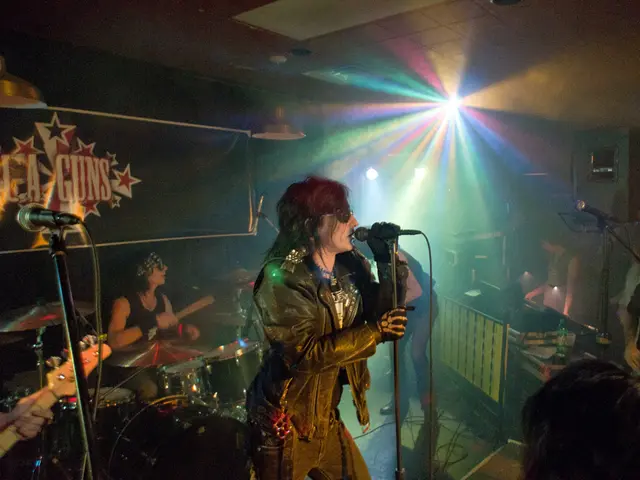
In the punk and grunge movements of the '70s, '80s, and '90s, music was a form of protest against societal norms and political systems. Bands like The Clash, Sex Pistols, Nirvana, and Pearl Jam expressed their frustration and anger through their music, resonating deeply with disenchanted youth.
Folk music has also been a popular medium for political expression and social commentary. Artists like Bob Dylan and Joan Baez used their music to tackle topics like war and inequality, inspiring activism across the globe.
In the realm of R&B, songs like Marvin Gaye's "What's Going On?" address issues like police brutality, remaining relevant over decades and symbolizing ongoing struggles for justice.
Today, music continues to shape cultural narratives and influence public opinion, with social media allowing artists to reach wider audiences and mobilize support more effectively than ever before. Music remains a powerful medium for expressing political ideas and motivating social change.
Interestingly, the impact of music on social movements can also be tied to our living spaces. Just as the colors we choose for our bedrooms can affect our mood and mindset, music has the power to evoke emotions and bring people together for a common cause.
The power of music transcends time, as it did for marginalized groups during the US civil rights movement, where soul music served as a potent tool for conveying messages of hope and resistance, amplifying the sentiments during marches. In contemporary times, music continues to be a catalyst for social change, harnessing the power of digital platforms to connect artists with wider audiences and stir passion for reform.