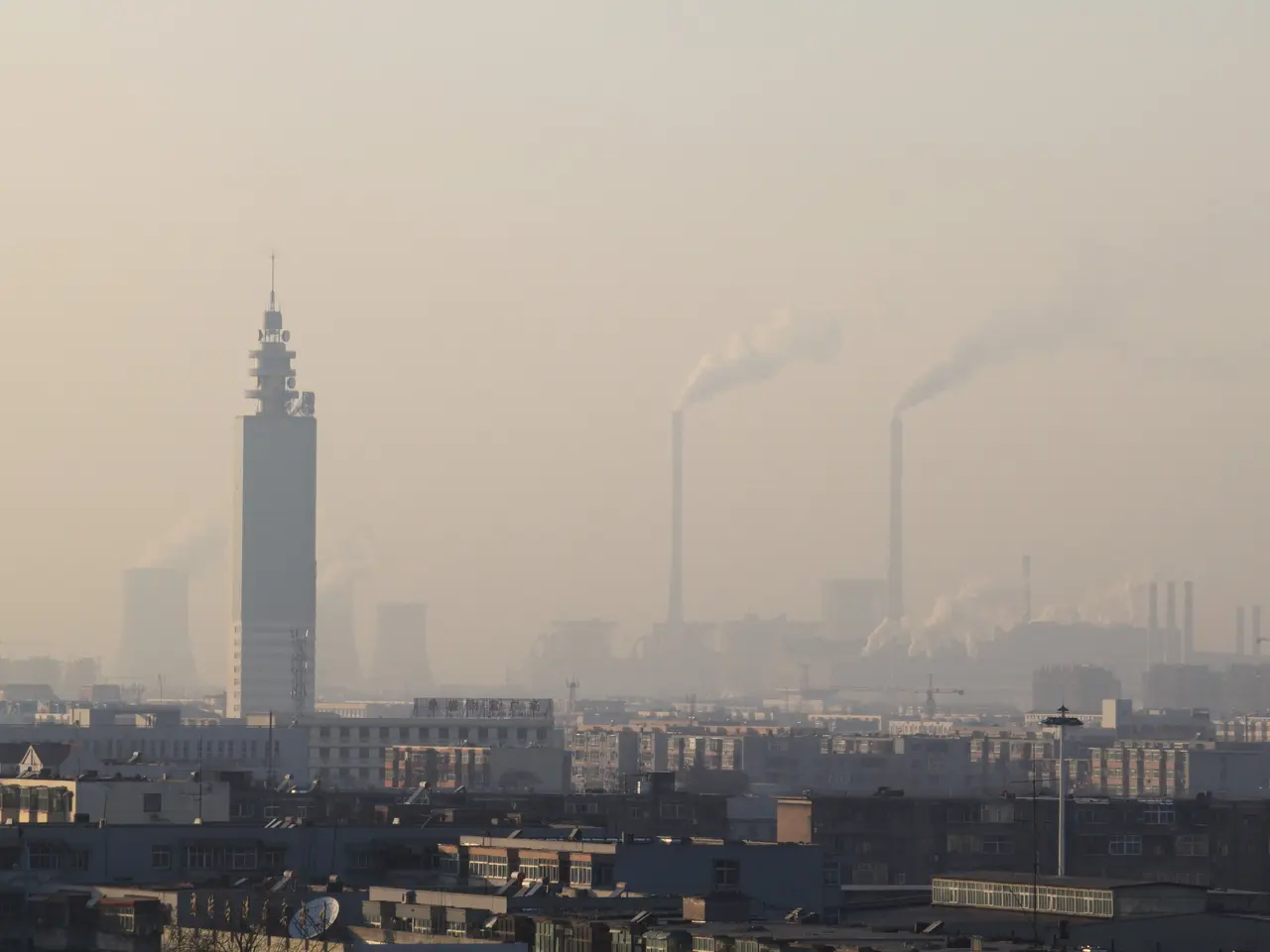
Minsk's air quality declines as smoke and stagnant weather trap pollutants
Air quality in Minsk has worsened slightly since the beginning of the week. Residents across different districts reported noticing an unpleasant smell of smoke as pollutants built up near the ground.
The deterioration follows a period of warm, dry weather with little rain. A high-pressure system over Belarus in March contributed to these conditions, trapping pollutants close to the surface.
From the evening of March 23 through to the first half of March 24, monitoring stations recorded minor exceedances of safe levels for fine particulate matter (PM2.5) and nitrogen oxide. Nitrogen oxide spikes were particularly noticeable in the morning, matching the busiest traffic times.
The decline in air quality stems from several factors. Spring typically brings higher dust levels due to natural fires, drifting smoke, vehicle and industrial emissions, and dust from worn roads and tyres. This year, the situation worsened as smoke from wildfires added to the pollution trapped by the stagnant weather. In response, Belhydromet issued a first-category adverse weather alert to major industrial and transport companies in Minsk. The warning urges enterprises to modify their operations and cut emissions during periods of high pollution accumulation. Residents may have detected a lingering smoky odour as pollutants concentrated in the lower atmosphere. The combination of dry air, little rainfall, and increased wildfire activity intensified the problem.
The alert remains in place for key industries and transport operators in the city. Companies have been advised to take steps to lower emissions while the weather conditions persist.
Air quality monitoring continues, with authorities tracking PM2.5 and nitrogen oxide levels closely. The situation highlights the seasonal challenges Minsk faces with springtime pollution buildup.