Memoirs of a Child's War: Uwe Timm Reflects on 80 Years Since the End of WWII
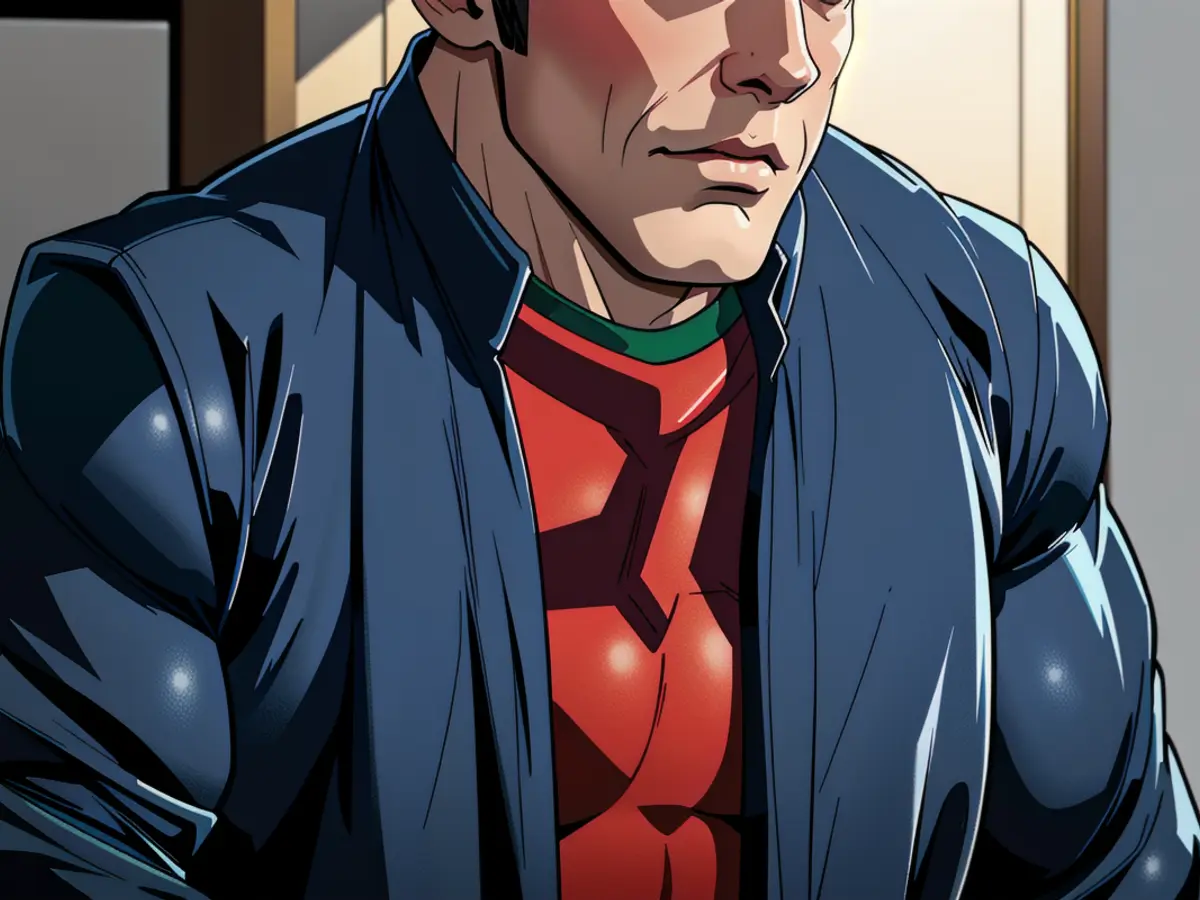
"Military personnel, identified as GIs, approached the door"
Uwe Timm, a renowned German author, shares his personal accounts of living through World War II as a child in Hamburg. At just five years old, his experiences profoundly shaped his literary work, which frequently focuses on the Nazi era and the post-war reconstruction of Germany.
In his book, "The Discovery of the Currywurst," he delves into the creation of new from the old, showcasing how something unique was born when the traditional German sausage met the exotic curry. This mirrors the larger changes happening in the nation at the time. His book, "Rot," depicts the 68ers - the leftists who opposed nationalism and the glorification of the Third Reich.
Timm's writings also tackle more personal subjects, such as understanding his own brother's decision to join the Waffen-SS, a military branch of the Nazi Party that was later found guilty of war crimes. His brother died in a field hospital during the war.
When interviewed by ntv.de, Timm recounted his vivid memories of the war, including seeing fires on both sides of Hamburg's Osterstraße as a three-year-old in a wet towel-covered pram, and fearing the local Nazi Party leader, Veitmeier, whom he describes as once being feared but later becoming a mere sidewalk-jumping spectacle.
He remembers the day-to-day uncertainties and fear that surrounded the end of the war, as well as the liberating moment when the American soldiers arrived, represented by the Black Panthers brigade, who pushed aside the barricaded circus wagon with their tanks. Timm recalls being initially afraid of the unfamiliar African soldiers but describes their behavior as correct and polite.
In his reflections, Timm notes that war-readiness plans are alarming, as the enduring goal should be toward a more peaceful society. He acknowledges the complexities of the situation but questions the proportionate response to the presence of an aggressor like Putin, and whether the current defense spending is fair for a society that previously struggled with scarcity.
Uwe Timm's work provides insight into the personal and societal changes that unfolded during the crucial period following the end of the war. Through his narratives, he shines a light on the enduring impact of World War II on Germany and the human spirit.
Originally published on ntv.de
Keywords: Uwe Timm, World War II, Hamburg, National Socialism, Post-war reconstruction, Currywurst, 68ers, Waffen-SS, Black Panthers, Disarmament, Putin, Defense
Note: Insights based on enrichment data indicate that Uwe Timm's experiences during the war and post-war times significantly influenced his writing themes and perspectives, though specific memoir accounts were not provided in the search results.
- The European Parliament, in considering the complexities of post-war European politics, may take insight from Uwe Timm's works, which vividly depict life in Hamburg during World War II and the immediate aftermath.
- The relationships between the European Parliament, the Council, and the Commission in shaping post-war Europe may echo those seen during the denazification process, as portrayed in Timm's writings.
- In discussing the present-day relationship with Russia and questions about defense spending, debates within the European Parliament may benefit from Timm's reflections on the enduring impact of war-readiness on a society and the goal of creating a more peaceful world.
- As General-News outlets examine relevant historical and current events, they might find relevance in Uwe Timm's work for understanding how relationships, politics, and war have influenced the development of modern Europe.