Mexico's vape ban hands cartels control of a $1.5B black market
Mexico's recent ban on selling electronic cigarettes has sparked concerns over rising cartel influence in the vape market. The policy, introduced this month, prohibits sales but not personal use. Meanwhile, criminal groups have already begun seizing stores and extorting businesses, leaving many shop owners struggling to survive.
The ban follows a turbulent legal history. In early 2022, Mexico's Supreme Court struck down a previous e-cigarette prohibition as unconstitutional. Yet, by January 2025, a constitutional amendment reinstated restrictions, this time targeting sales rather than usage. The move came as the vape industry in Mexico was valued at US$1.5 billion, drawing both legal businesses and organized crime.
Alejandro Rosario, a lawyer representing numerous vape shops, reported that cartel intimidation and extortion had already cost his clients 40% of their business. In one case, a cartel abducted two store employees, demanding to speak directly with their managers. The group then declared it was taking over the shop, permitting only online sales outside the state.
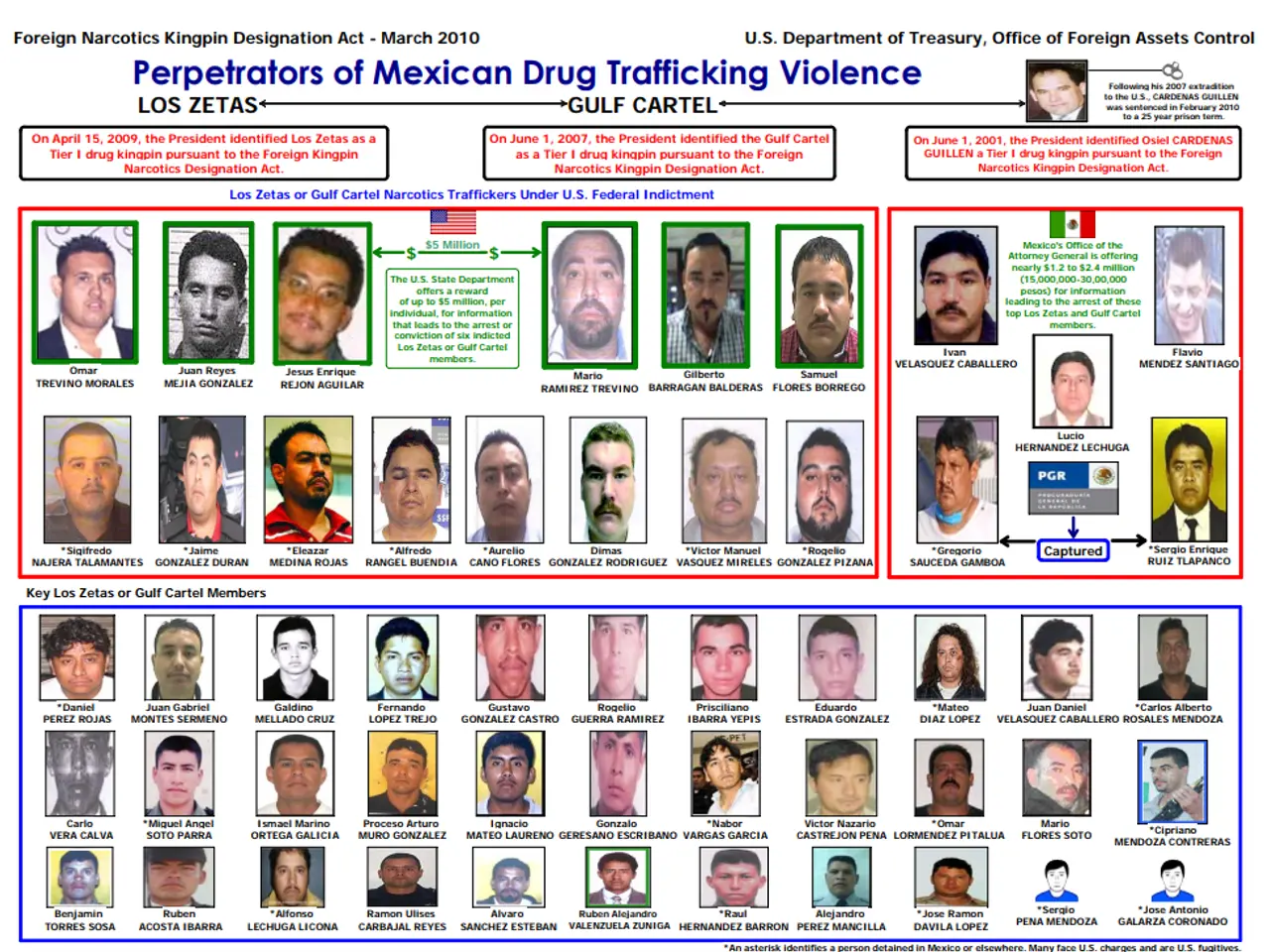
Experts warn that the ban will further empower cartels. According to the Defensorxs NGO, the Sinaloa Cartel and Jalisco New Generation Cartel (CJNG) have been repackaging e-cigarettes imported from Asia for years. They expanded operations by increasing shipments through Pacific ports like Manzanillo and Lázaro Cárdenas, setting up hidden facilities in Sinaloa and Jalisco, and folding vape sales into their fentanyl trafficking networks. Seizures of repackaged products tripled between 2022 and 2025.
The policy shift arrives as vaping remains legal and regulated in the US and Europe but banned in at least eight Latin American countries. With organized crime already controlling parts of the market in northern states and major cities, analysts predict cartels will tighten their grip under the new restrictions.
The ban on vape sales creates a vacuum that cartels are filling. Businesses face declining revenues and threats, while criminal groups gain another revenue stream. With seizures rising and operations embedded in drug networks, the policy's unintended consequences are already visible.