Mexico's 2026 World Cup Security Plan Faces Jalisco's Cartel Chaos After El Mencho's Death
President Claudia Sheinbaum has outlined Mexico's security plans for the 2026 World Cup amid rising violence in Jalisco. The strategy, named Plan Kukulkán after the Maya serpent deity, will deploy nearly 100,000 personnel during the tournament. Her visit to Zapopan came as the state faces escalating cartel conflicts following the death of a major crime boss.
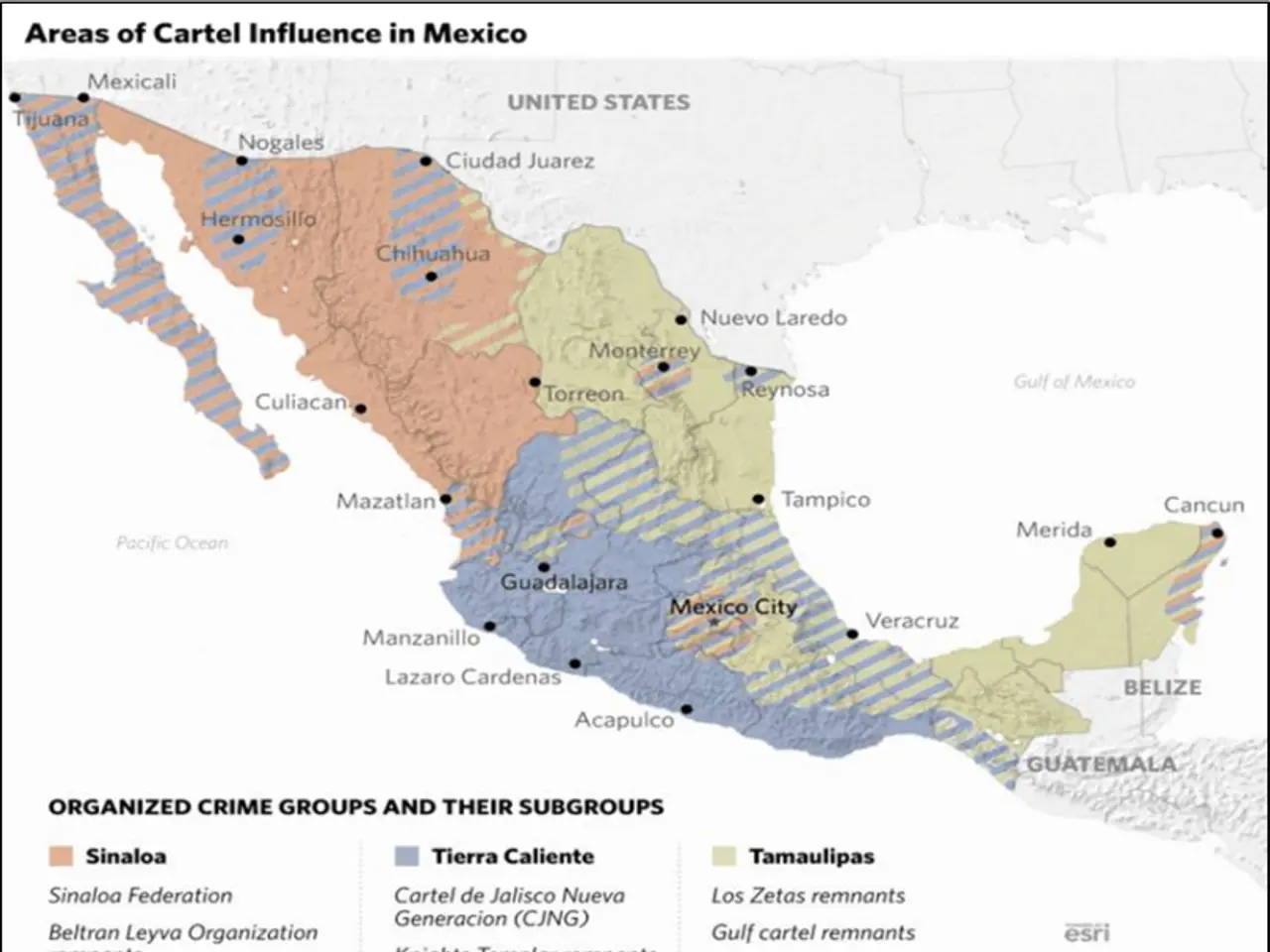
The situation in Jalisco has worsened since February 2026, with daily homicides surging by 47% compared to the previous year. Open street battles and attacks on businesses have erupted, linked to power struggles within the CJNG cartel, one of Mexico's most dominant criminal groups.
The violence in Jalisco intensified after the killing of Nemesio Oseguera Cervantes, known as El Mencho, in a military operation on 22–23 February 2026. His death triggered chaos as factions within the CJNG clashed for control. Streets in Guadalajara and surrounding areas saw blockades, arson attacks, and armed confrontations, pushing the daily homicide rate to 2.55 in January—47% higher than in September 2025, the month with the lowest murders since Sheinbaum took office.
Despite the recent spike, authorities reported progress in earlier crackdowns. Between October 2024 and February 2026, Jalisco police arrested 890 people for serious crimes and confiscated 626 firearms and over 10 tonnes of drugs. Yet the state still ranked eighth nationwide for homicides in 2025, reflecting its status as the CJNG's stronghold.
At a press conference in Zapopan, Sheinbaum emphasised her government's commitment to peace and security. Governor Pablo Lemus called her visit a show of solidarity, acknowledging the strain on the state. The president also highlighted Plan Kukulkán, which will assign 100,000 security staff to World Cup operations over five weeks. The initiative aims to protect players, fans, and residents during the tournament.
Jalisco remains under pressure as cartel violence flares after El Mencho's death. The surge in homicides contrasts with earlier reductions, complicating security ahead of the 2026 World Cup. With nearly 100,000 personnel set for deployment, authorities face the challenge of stabilising the region while hosting the global event.