So Many Students Will Receive a Tablet This Summer - Lower Saxony launches €800M free tablet scheme for secondary schools by 2029
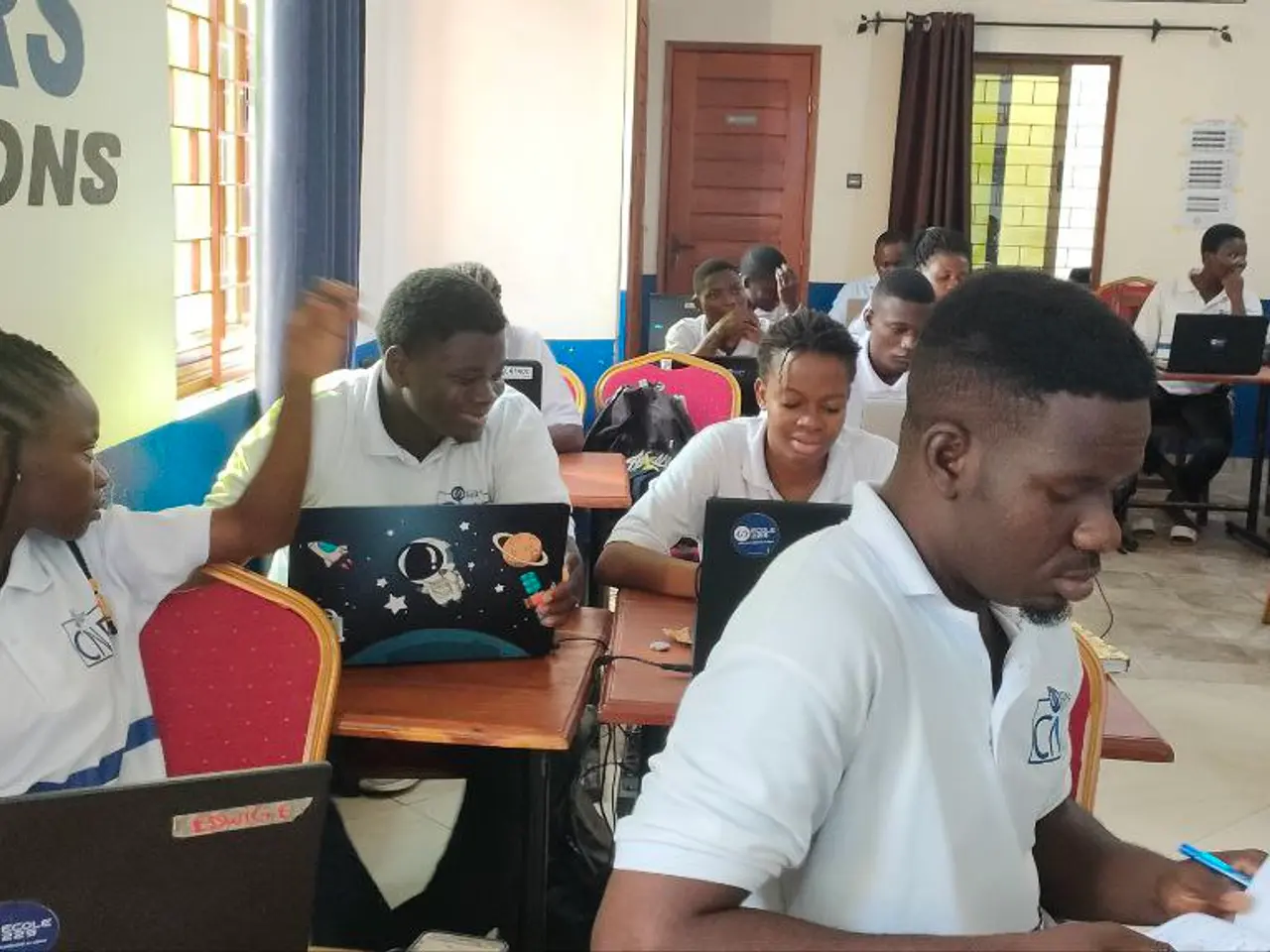
Lower Saxony is rolling out a major digital learning programme for secondary schools. Starting in the 2026/27 academic year, around 76,000 seventh graders will receive free tablets. The initiative aims to provide all students in grades seven to ten with devices by 2029/30 at a total cost of €800 million.
The state government will fund the scheme through a mix of regional and federal infrastructure budgets. Over six years, €800 million has been earmarked for purchasing devices and managing the programme. However, disagreements persist over who should cover ongoing maintenance and teacher equipment costs, with local councils calling for clearer legal guidelines.
Schools will order devices via IT.Niedersachsen, which will handle delivery. Four models are on offer: the Apple iPad (11th Generation), Samsung Galaxy Tab S10 Lite, Lenovo 100e Chromebook (Gen 4), and Lenovo ThinkPad E14 (Gen 7) for students with special needs. Tablets will come with a screen protector, keyboard case, stylus, and charger, while notebooks include only a charger.
The first batch of 169,440 devices—including spares and teacher units—will be distributed in 2026/27. Students will keep their tablets as they move into eighth grade, with new seventh graders receiving fresh devices each year. By 2029/30, the programme expects every pupil from grades seven to ten to have access to a tablet.
The project marks a significant investment in digital education across Lower Saxony. Over 76,000 students will benefit in the first year alone, with the programme expanding steadily. Schools and local authorities now await further clarification on long-term cost responsibilities.