London Fashion Week redefines style with immersive, inclusive experiences
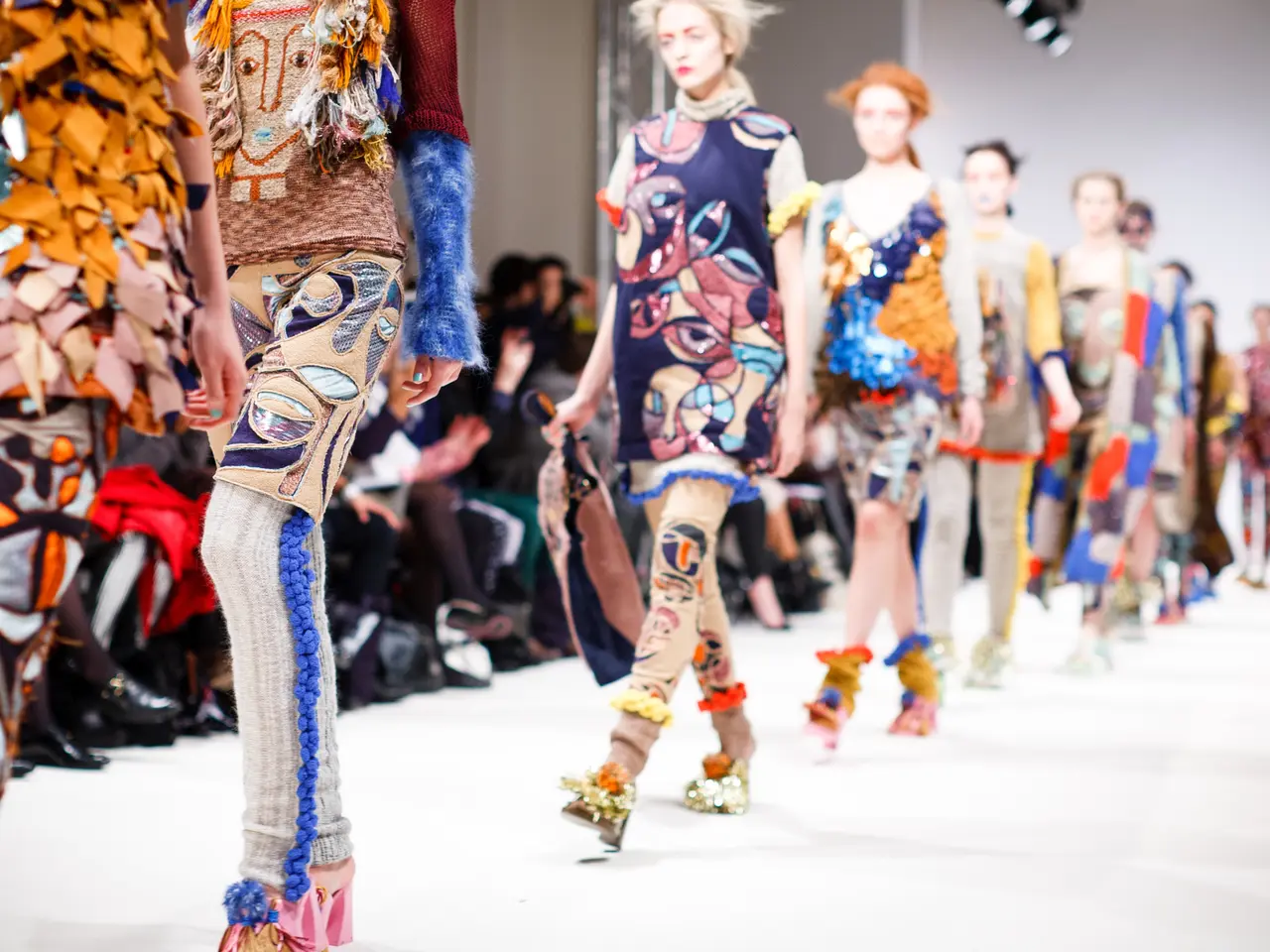
London Fashion Week took a fresh approach this season, moving beyond the usual runway format. Designers experimented with new ways to present their collections, aiming to build stronger connections with their audiences.
The event wasn't just about clothes—it became a space for community, culture, and personal storytelling.
Established names like Jonathan Anderson, Roksanda Illincic, and Erdem Moralioglu led the shift by hosting immersive events instead of traditional shows. Their goal was to engage fans on a deeper level, making fashion feel more accessible and inclusive.
Simone Rocha and Conner Ives brought personal touches to their presentations. Rocha featured family members in her show, while Ives invited friends to walk the runway. These choices highlighted the emotional ties behind their designs.
Smaller brands also embraced creativity in their showcases. Chopova Lowena turned their presentation into a mini-golf event, complete with garden-themed cupcakes. Talia Byre hosted an intimate gathering for a limited-edition zine, and Kazna Asker provided iftar for guests observing Ramadan. Meanwhile, Knwls co-founders Alex Arsenault and Charlotte Knowles opened a pop-up store and even led a Pilates session to interact with their supporters.
Laura Weir, CEO of the British Fashion Council, described London Fashion Week as more than just a series of shows. She called it a cultural barometer, reflecting broader trends in society. Laura Ingham, deputy director of Vogue's global fashion network, added that fashion has the power to unite communities and spotlight emerging talent.
The week also reinforced London's reputation for catering to underserved groups. Many brands focused on LGBTQ+ communities and people of colour, building loyal followings. Talia Loubaton's label, Liberowe, stood out with its practical yet stylish jackets for working women, blending commercial appeal with a bold aesthetic.
This season's London Fashion Week proved that fashion can be both innovative and deeply personal. By breaking away from traditional runways, designers created experiences that resonated with diverse audiences.
The event's mix of creativity, inclusivity, and cultural relevance set a new standard for how fashion weeks might evolve in the future.