LASIK Consultation Reveals Hidden Retinal Detachment Risk
For a long time, I wanted to get rid of my eyeglasses. They had become part of my daily life, and I thought LASIK would finally give me clear vision without them. It was my University of the Assumption batchmate, ophthalmologist Dr. Jaybee Bautista, who encouraged me to seriously consider the procedure. I expected the process to be simple and routine. I did not expect that it would lead me to discover a much bigger problem.
As part of the preparation for laser treatment, I underwent the required eye screening. That was when doctors found that I had superior retinal detachment in my right eye. I did not feel pain or notice severe symptoms before that day. Still, the condition was serious and needed immediate attention because if left untreated, it could lead to my permanent blindness. I was referred to retina specialists Dr. Torres and his daughter, Dr. Kat Torres-Magno, who carefully explained my condition and the next steps.
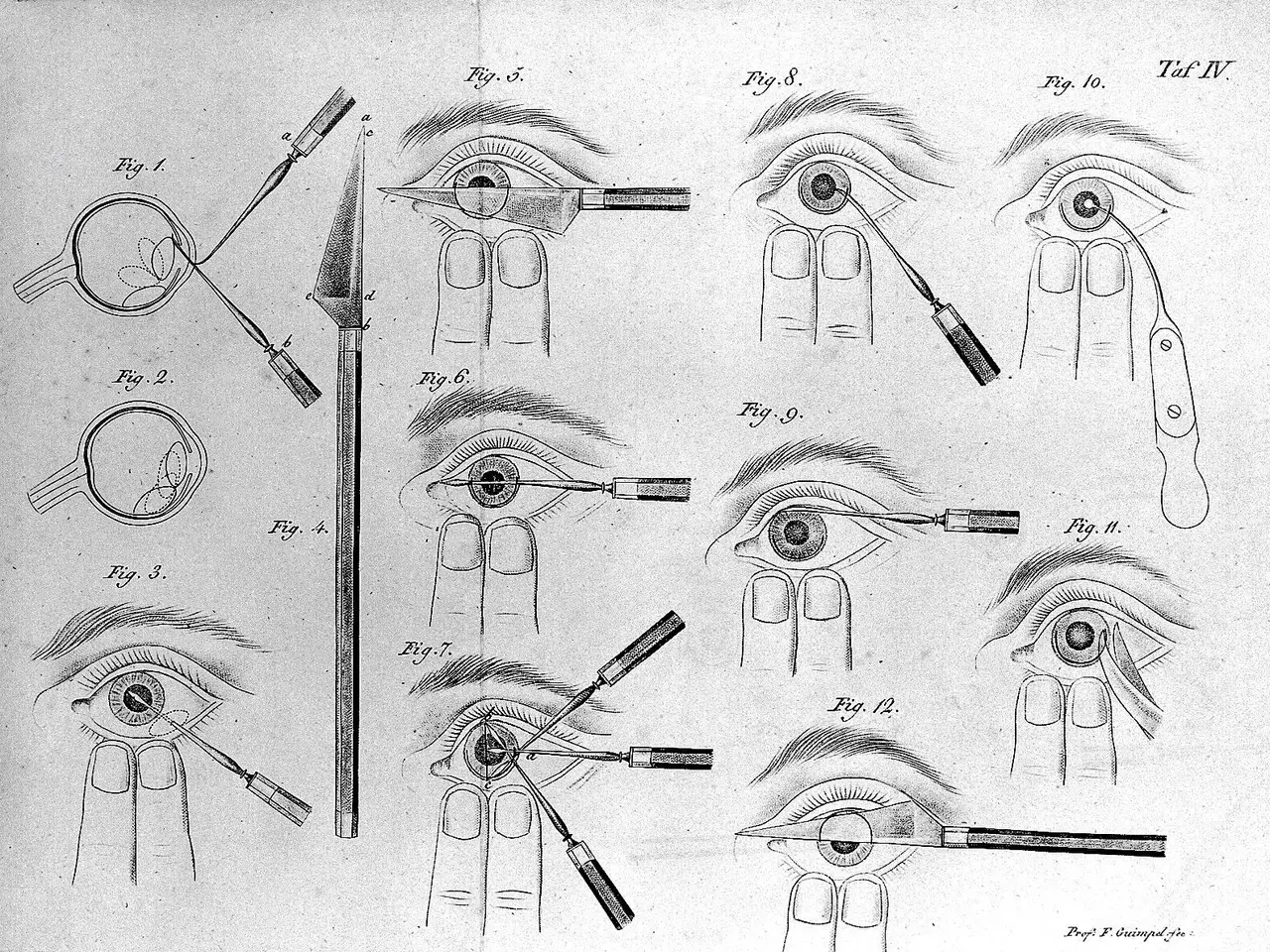
They advised me to undergo retinopexy along with laser photocoagulation to prevent the detachment from getting worse. While these procedures were necessary, they were not easy. After the retinopexy, I was required to maintain a face-down position for three days. This was physically uncomfortable and mentally draining. Simple tasks became difficult, and it was impossible to work normally during that time. In fact, it has become a weekly visit to the eye center for my check-ups and follow-up laser treatments. Although these are convenient in-office procedures, pain in and around my right eye is expected after each session. After three laser treatments, there is still a small macular hole which the injected gas will hopefully help attach in the following days before my next visit to the eye center.
This experience made me think about ageing workers like myself. Many of us continue to work without knowing that our eyesight may already be declining. Eye checks should not be optional, especially for people who have spent years working long hours. They should be a regular part of the annual physical examination. Early detection can prevent serious problems and even vision loss.
Some of my medical expenses were covered by PhilHealth, and for that I am thankful. Not everyone is as lucky. I hope there will be more laws and government programs that support people with eye conditions. Good vision is essential to living and working well. It deserves more attention, protection, and public support than it currently receives.