Krasnoyarsk braces for extreme cold and toxic air in four-day hazard alert
A hazardous weather alert has been issued for Krasnoyarsk and nearby areas from January 16 to 19. Residents face extreme cold, stagnant air, and dangerously poor air quality during this period. Authorities warn of temperatures far below seasonal averages and high pollution levels.
The first-degree weather advisory begins at 3:00 PM on January 16 and lasts until 3:00 PM on January 19. During this time, Krasnoyarsk will experience near-total calm with no wind, trapping pollutants near the ground. Air quality is expected to worsen significantly in the city and surrounding suburban settlements.
Temperatures will plummet well below normal, reaching 14–23 degrees colder than usual for mid-January. Central and southern parts of Krasnoyarsk Krai may see lows of -45 to -50°C. A similar alert has been declared for Nazarovo over the same dates.
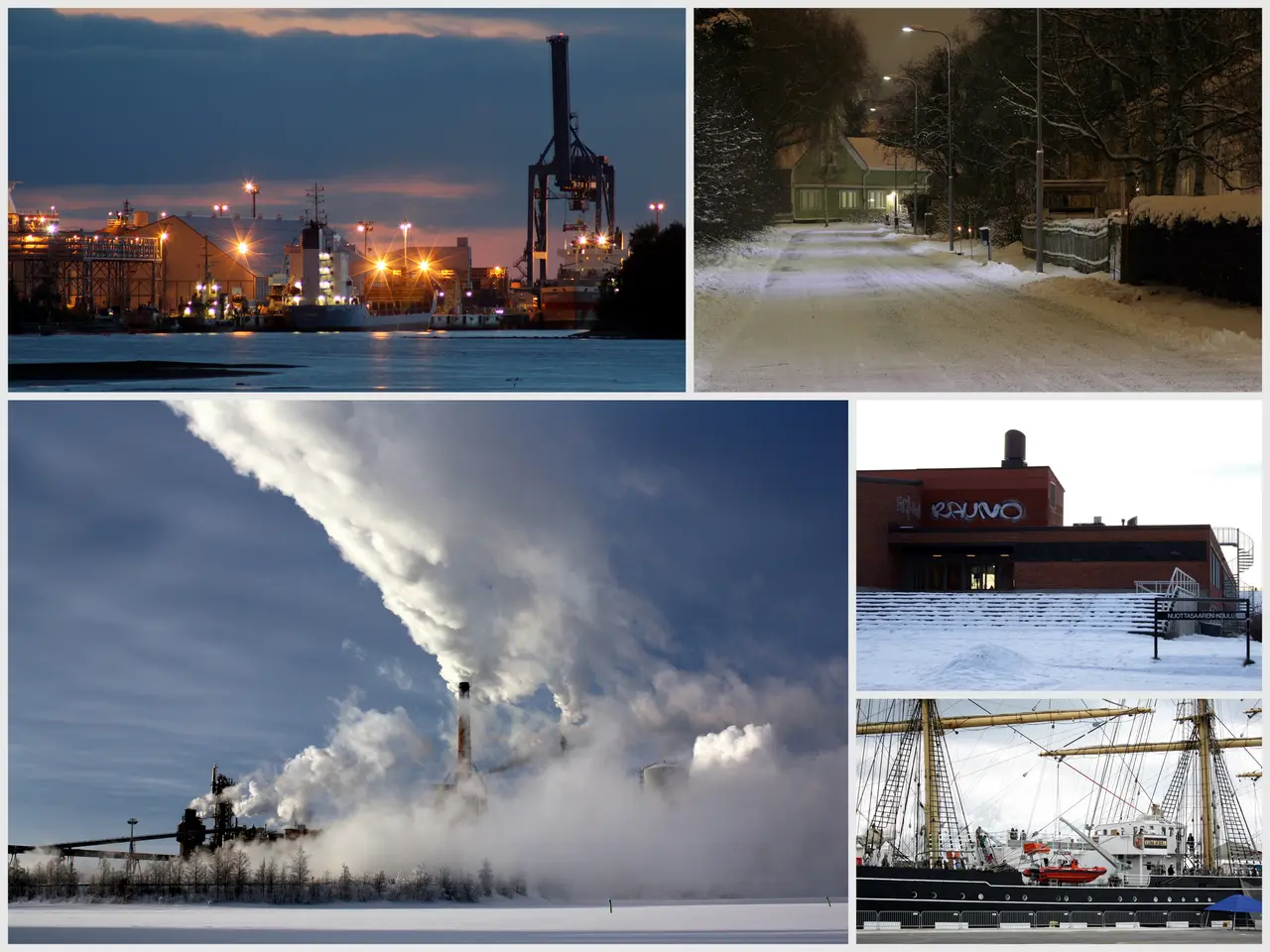
Despite some improvements in recent years, Krasnoyarsk still ranks among Russia's most polluted cities. Data from Rosgidromet and IQAir shows levels of PM2.5 and nitrogen dioxide remain above national averages. Industrial regulations and cleaner energy have helped reduce emissions since 2020, but pollution stays high compared to other regions.
The alert covers both extreme cold and hazardous air conditions. Residents are advised to limit outdoor exposure and follow health guidelines. The combination of freezing temperatures and stagnant air poses risks for vulnerable groups until the advisory lifts.