Kona-low storm exposes years of neglect as Kaupe Road floods displace families
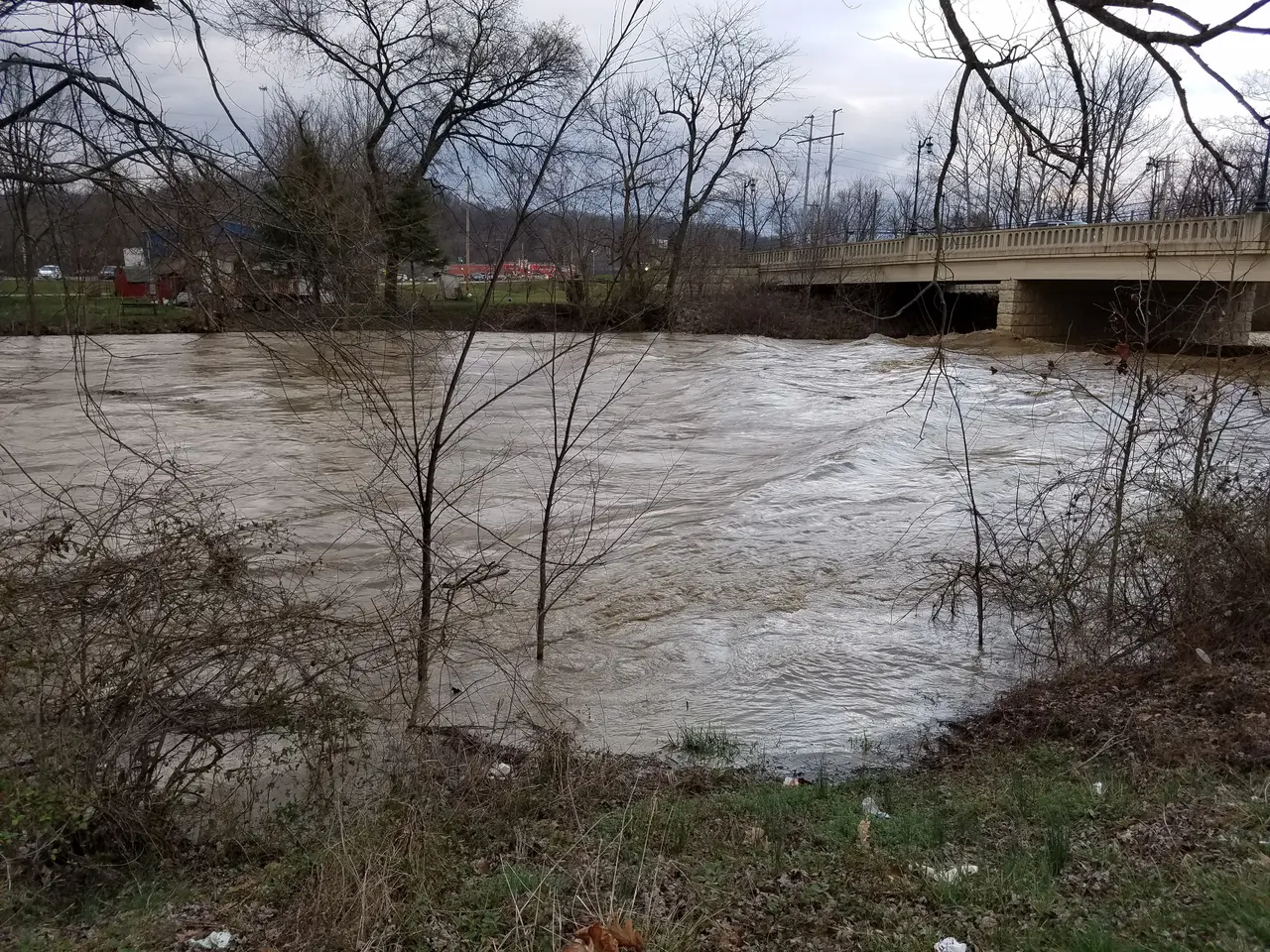
Heavy flooding along Kaupe Road has left residents reeling after a powerful Kona-low storm overwhelmed the Kaukonahua Stream. Years of neglected maintenance and unclear responsibility for the waterway worsened the disaster, forcing families to evacuate as floodwaters surged through homes. Now, officials are facing calls for urgent action and clearer accountability. The flooding struck suddenly, with residents like Briana Grilho describing how water rushed through her property, endangering her and her 7-year-old son. Neighbours, including Bruski Louis, stepped in to help when emergency access failed, calling the response a failure of management. Many homes in the area were built before modern flood rules and sit in high-risk zones, making them especially vulnerable.
The Kaukonahua Stream's maintenance has long been a problem, with sediment buildup, overgrown plants, and debris blocking its flow—particularly under bridges. Longtime resident Wendell Toki recalled the stream once running clear during the plantation era, but said decades of ignored requests for upkeep led to the current crisis. The waterway crosses a patchwork of ownership, including city, state, private, and military lands, creating gaps in care and accountability.
State and city officials admit the stream's complex ownership makes maintenance difficult but stress the need for better coordination with communities. State Rep. Sean Quinlan urged agencies to stop shifting blame and focus on recovery. Meanwhile, Honolulu City Council Chair Tommy Waters announced an informational briefing to examine what went wrong, who is responsible, and how to prevent future disasters.
The flooding comes as new federal flood maps (FEMA's 2024 updates) reclassified parts of the Kaukonahua Stream area from high-risk Zone A to lower-risk Zone X. This change affects around 150 properties in Kahuku and Laie, cutting flood insurance costs by up to 50% and easing mortgage requirements for homeowners. Residents now face the task of rebuilding while questioning why long-standing warnings went unheeded. Officials have promised reviews and better coordination, but the disaster has exposed deep flaws in how the stream is managed. With insurance changes offering some relief, the focus remains on preventing another crisis in a flood-prone area.