Kazakhstan's toll roads spark outrage as complaints surge by 50%
Kazakhstanis Increasingly Fear Toll Roads Will Raise Travel Costs Without Improving Conditions
Public concerns are growing in Kazakhstan that the toll road system will only drive up travel expenses without delivering better road maintenance.
According to data presented at a government meeting in early March, complaints related to deficiencies in road operations—including toll roads—have surged by 50% over the past year, reaching 60,000. The issue prompted a dedicated discussion, after which Prime Minister Olzhas Bektenov ordered a thorough investigation into the causes behind the mounting grievances and instructed authorities to take appropriate measures.
"We must expand the use of artificial intelligence to monitor the quality of road assets," the prime minister emphasized. "Digital transformation in the road sector should serve as a management tool at every stage—from planning and design to construction and operation."
Special attention was also directed toward improving the quality of roadside services, which remain a critical component of the broader transport infrastructure and directly impact the comfort and safety of road users.
The toll road system has naturally drawn public scrutiny, particularly regarding how collected funds are allocated and how transparently they are spent. These questions are central to public trust in the system and its perceived effectiveness.
The state-owned KazAvtoZhol National Company is responsible for maintaining and developing toll road sections, overseeing the financial flows generated from toll collections.
According to the company, Kazakhstan's toll road network is currently undergoing rapid expansion and modernization.
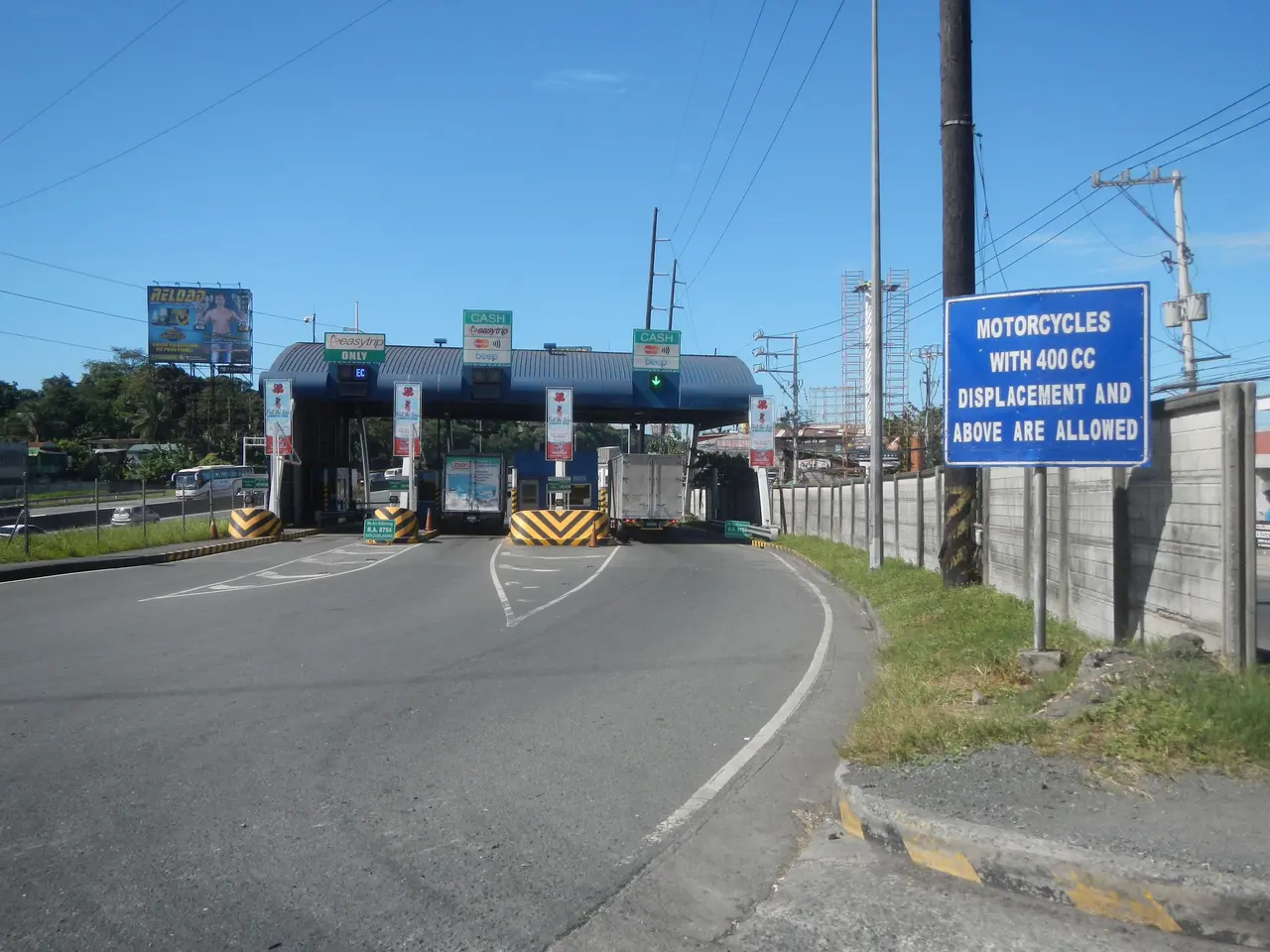
Toll sections have been introduced primarily along key republican highways, which carry the highest transit and economic traffic. The total length of toll roads in Kazakhstan now stands at 4,883 kilometers, accounting for 19.5% of the country's entire republican road network.
Thus, toll roads are gradually becoming a significant part of the national transport infrastructure, continuing to expand into new routes.
When asked how close Kazakhstan's toll roads are to achieving self-sufficiency, Saken Dildakhmet, an official representative of KazAvtoZhol, reported that the country currently operates 26 toll sections.
The expert noted that the system is gaining financial stability: maintenance and routine repairs on toll roads are now fully funded by toll revenues, meaning no additional funds are required from the republican budget.
Funds collected from drivers using toll roads are pooled in a dedicated account and allocated strictly for their intended purposes. These include road maintenance and repairs, operating the toll collection system, upgrading specialized road equipment, and improving safety and driving conditions.
In essence, every tenge paid by drivers is reinvested into road infrastructure—whether through refreshed road markings, modern traffic signs, lighting, new equipment, barriers, or enhanced service quality. Transparency in how these funds are spent remains a key priority.
Kazavtozhol's operations are subject to continuous oversight by state authorities, including the Prosecutor General's Office, the National Security Committee, the Supreme Audit Chamber, and other agencies. The company's financial reports undergo rigorous annual audits and are published openly, both in the Ministry of Finance's depository and on the national operator's official website.