Kazakhstan strengthens labor laws to protect workers in freezing temperatures
Kazakhstan has introduced new labour protections for workers facing extreme cold. The measures allow employees to adjust their cold symptoms arrangements or refuse common cold conditions without penalty. Employers must now ensure proper safety gear and comply with updated regulations.
Under Article 82 of the Labour Code, employees whose roles cannot be done remotely are entitled to special breaks during harsh weather. Those in eligible professions, listed in the unified occupational directory, may switch to remote work if a formal agreement exists with their employer. Office staff can also work from home if a written order is issued.
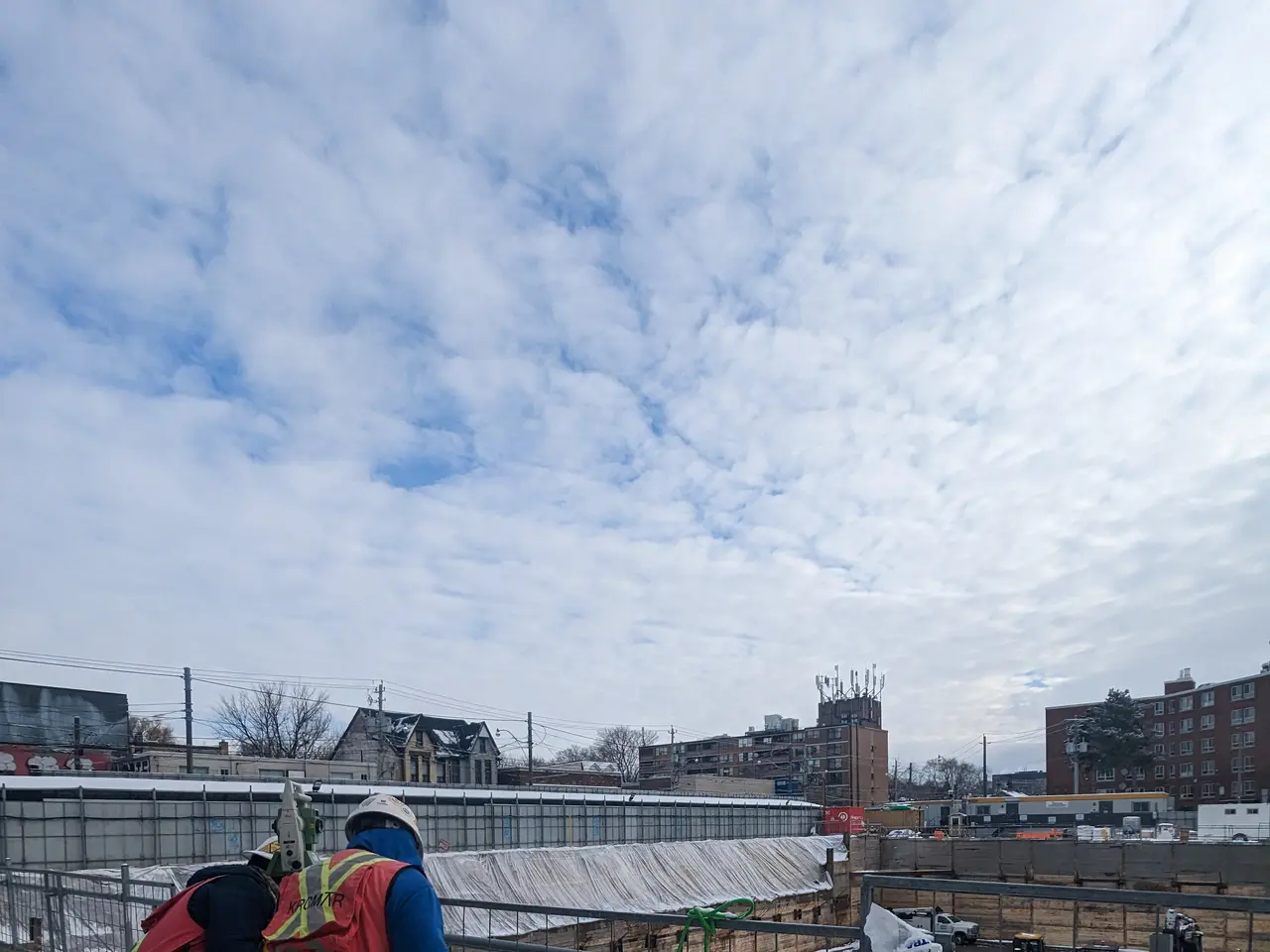
Workers have the right to request shorter hours when temperatures drop severely, provided this is outlined in their collective agreement. If conditions become dangerous, they can formally refuse to work without facing disciplinary action. Employers must supply suitable protective clothing and equipment for outdoor or exposed roles. The Emergency Ministry has issued additional safety advice for those outdoors. Wearing extra layers, including spare socks and gloves, is recommended. Carrying a thermos of hot tea and avoiding smoking in freezing temperatures can also reduce risks. Employers remain legally responsible for workplace injuries, such as frostbite, and may face fines or criminal charges if negligent.
The updated rules aim to protect workers from extreme cold while clarifying employer obligations. Employees now have clearer rights to refuse unsafe work or adjust their schedules. Failure to provide adequate protection could result in legal consequences for businesses.