Kazakhstan Overhauls Immigration Policy to Ease Urban Strain by 2030
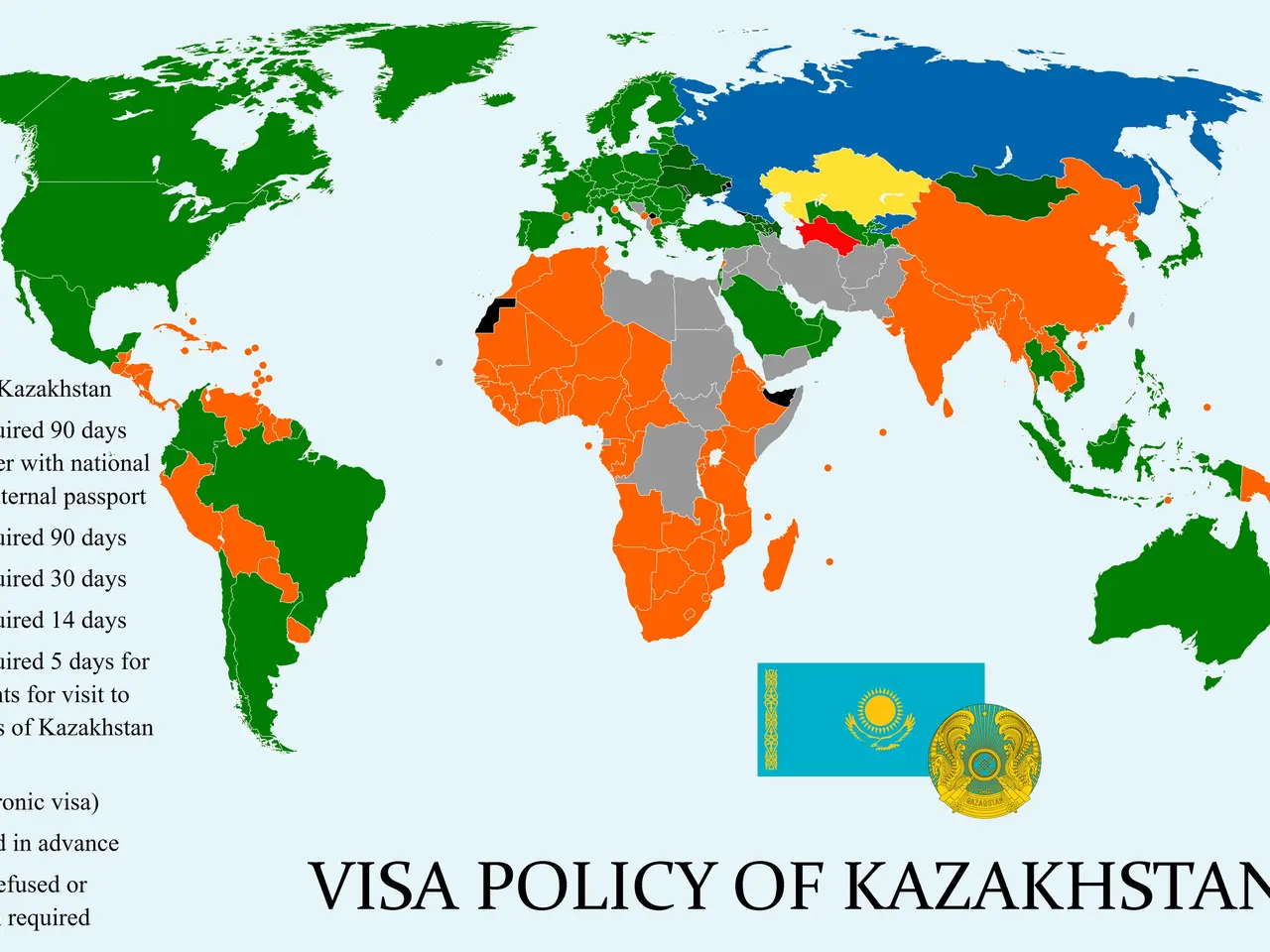
Kazakhstan has adopted a new immigration policy concept, set to run until 2030. The plan, approved in December 2025, aims to create a more structured, transparent, and beneficial system for managing immigration flows. Authorities have highlighted the need to reduce strain on urban infrastructure and improve integration of newcomers into the labour market.
Between January and December 2025, Kazakhstan saw 23,761 arrivals and 7,608 departures, resulting in a net immigration gain of 16,153. These figures mark a decline of 20.7% in arrivals and 40.5% in departures compared to the same period in 2024. The majority of immigrants came from Commonwealth of Independent States (CIS) countries, accounting for 81.8% of arrivals and 71.8% of departures.
President Kassym-Jomart Tokayev has repeatedly warned about the pressures of uncontrolled immigration, particularly in major cities like Astana. The new policy addresses these concerns by introducing stricter controls and better enforcement measures.
A key feature of the updated system is a points-based approach for permanent residency. This method will prioritise immigrants based on their skills, qualifications, and potential to integrate into Kazakh society. Additionally, foreign workers will only be recruited in regions and sectors facing labour shortages, such as construction, agriculture, mining, and manufacturing in areas like Atyrau, West Kazakhstan, and Aktobe—though exact figures on current foreign employment in these fields remain unavailable.
The policy also includes stronger protections for Kazakh citizens working abroad and incentives to encourage relocation to regions with labour deficits. Full digitalisation of immigration management is planned, allowing authorities to track internal and external flows more effectively. This shift aims to curb illegal immigration while improving the efficiency of public spending and promoting balanced regional development.
The immigration policy overhaul seeks to create a more orderly system by 2030. It introduces targeted recruitment, digital tracking, and protections for Kazakh workers abroad. The government expects these changes to ease urban pressures, fill labour gaps, and ensure immigration benefits the country's economic and social stability.