Japan’s rice crisis pushes prices to historic highs under new policies
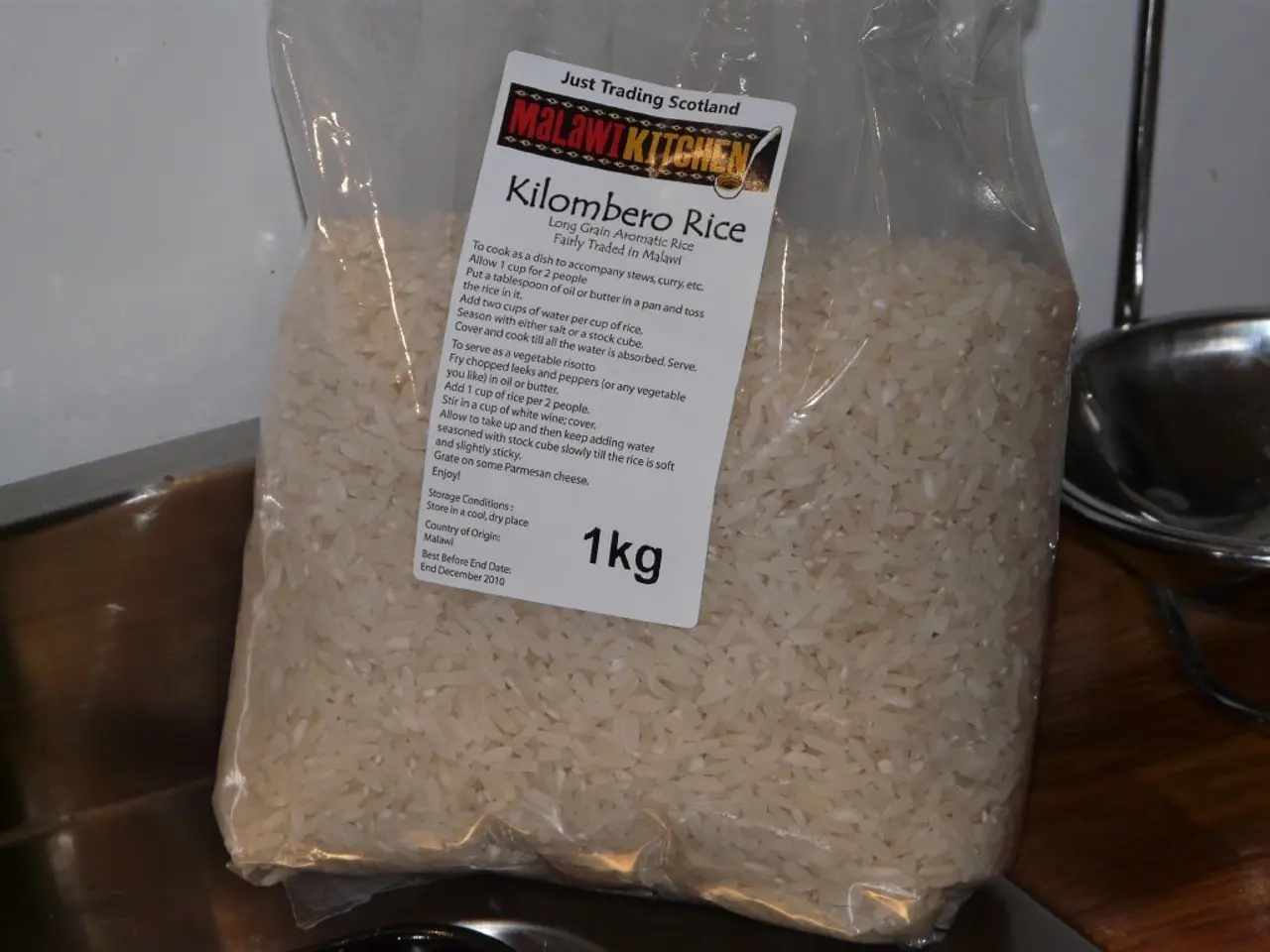
Rice prices in Japan have hit record highs, putting financial strain on households nationwide. Prime Minister Sanae Takaichi's government has been working to stabilise supply while balancing domestic demand and farm production.
The issue began under former Prime Minister Shigeru Ishiba, who proposed increasing rice output to address shortages. However, current Prime Minister Takaichi, who took office in September 2025, reversed this approach. Instead of expanding production, she chose to align supply with actual demand.
Agriculture Minister Norikazu Suzuki has reinforced this strategy, focusing first on securing demand—both at home and abroad—before pushing for higher yields. The government's broader policy now centres on self-sufficiency and farmer protection. Measures include subsidies for small-scale producers, tariffs on imported rice, and incentives to keep fallow land in use. Additional support covers ageing farmers, mechanisation, and strategic stockpiling to steady prices and ensure food security.
The decision to maintain production at current levels aims to prevent oversupply while keeping prices stable. With subsidies, import controls, and stockpiling in place, the government seeks to protect both farmers and consumers. The impact of these policies will become clearer as market conditions evolve.