Iran Unveils 10 Million Rial Bill as Currency Collapse Deepens Amid War
Iran has introduced its highest-ever banknote, the 10 million rial bill, as the currency's value continues to plummet. The new note entered circulation this week, replacing the 5 million rial bill issued just weeks earlier. Long queues formed at ATMs as Iranians rushed to withdraw cash amid fears of electronic payment failures during the ongoing conflict.
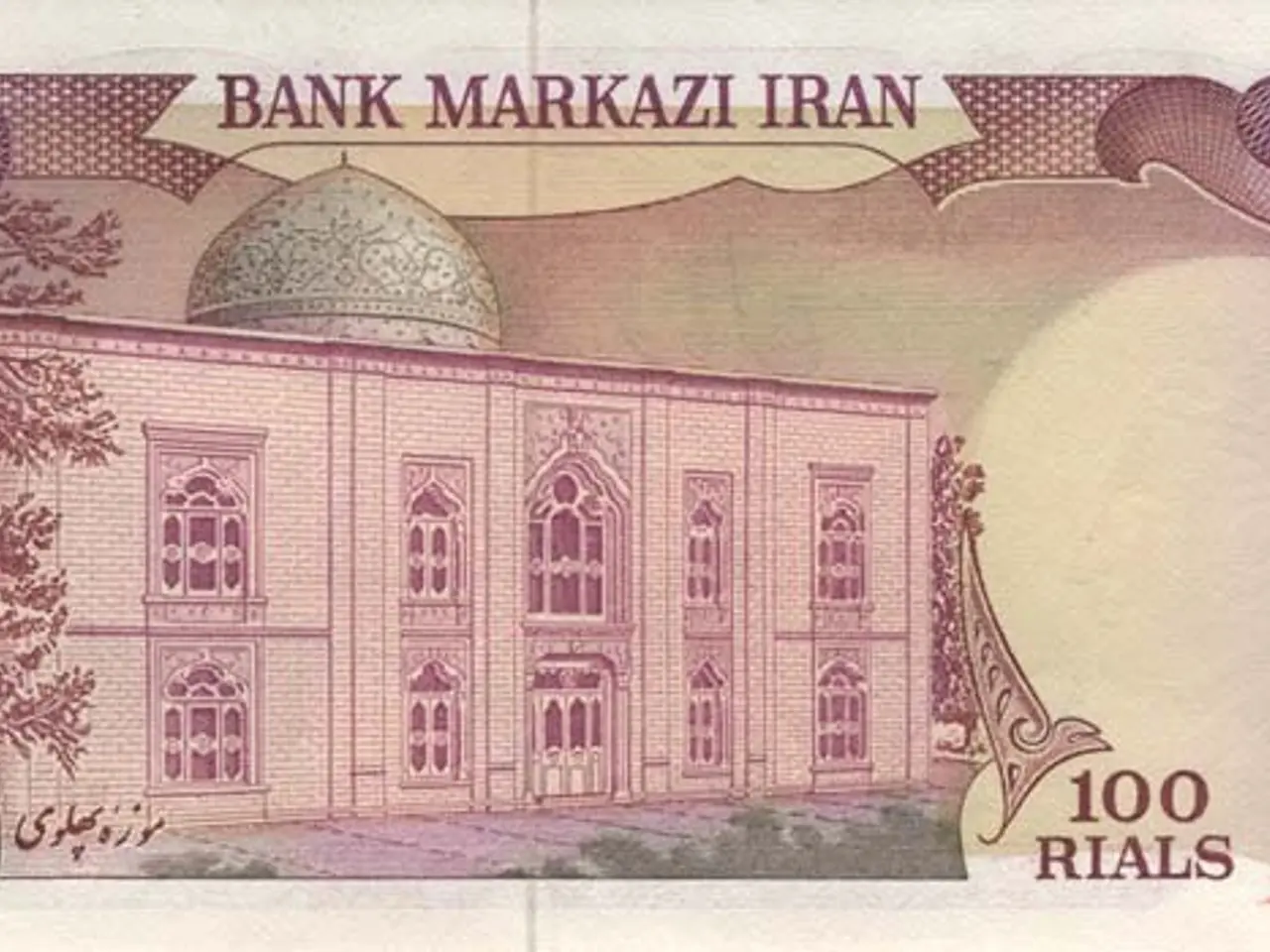
The Central Bank of Iran released the new denomination to ensure people could still access physical money. Electronic transactions and payment cards remain the main way to pay, but many worry about system disruptions. The banknote features images of the 9th-century Jameh Mosque in Yazd and the ancient Bam Citadel.
The rial's collapse has accelerated in recent months. In 2016, one US dollar equalled around 34,000 rials. By early 2026, it had soared to 1.5 million rials, peaking at 1.66 million before a slight drop. January alone saw a 22.9% devaluation, with the rate hitting 1,317,142 rials per dollar by March 19.
Iran's economy has been under severe pressure for years. US sanctions, falling oil revenues, and widespread corruption have weakened the currency. The situation worsened after the US and Israel launched strikes inside Iran on February 28. Tehran retaliated by attacking US military bases and Israeli targets, further destabilising financial markets.
Despite official claims of sufficient cash reserves, banks have restricted withdrawals since the conflict began. The new banknote underscores the deepening economic crisis, now in its fourth week of war.
The 10 million rial note marks another milestone in Iran's currency troubles. Its release comes as the rial's value keeps dropping and public trust in digital payments falters. With the economy strained by war and sanctions, the new bill reflects the growing need for higher denominations in daily transactions.