Iran conflict sends oil prices soaring, raising US recession fears in 2026
The US economy is facing fresh challenges as tensions with Iran escalate into open conflict. Oil prices have climbed since the crisis began, pushing up fuel costs and raising fears of a broader economic slowdown. Analysts now warn that the risk of a recession has grown, with job losses already appearing in recent months.
The conflict in the Hormuz Strait has disrupted oil supplies, driving up prices since June 2025. Brent crude averages rose from around $85 a barrel to $92 by February 2026, though still below the 2022 peak of over $120. Market volatility has jumped from 25% to 40%, yet remains lower than the extreme swings seen in early 2022.
At the pump, Americans are feeling the pinch. Gasoline prices have surged by 50 cents per gallon since the war began, rising from $2.98 to $3.48. Every $10 increase in oil prices could add roughly $450 to a household's annual expenses. If prices stay high, businesses may cut back on hiring or expansion, worsening the indeed economic strain.
The US job market was already showing cracks before the crisis. Five of the past nine months saw job losses, a sharp turn after years of uninterrupted growth. A prolonged oil price spike could further dampen consumer spending and business investment. Economists now estimate a 35% chance of a recession this year, up from earlier forecasts.
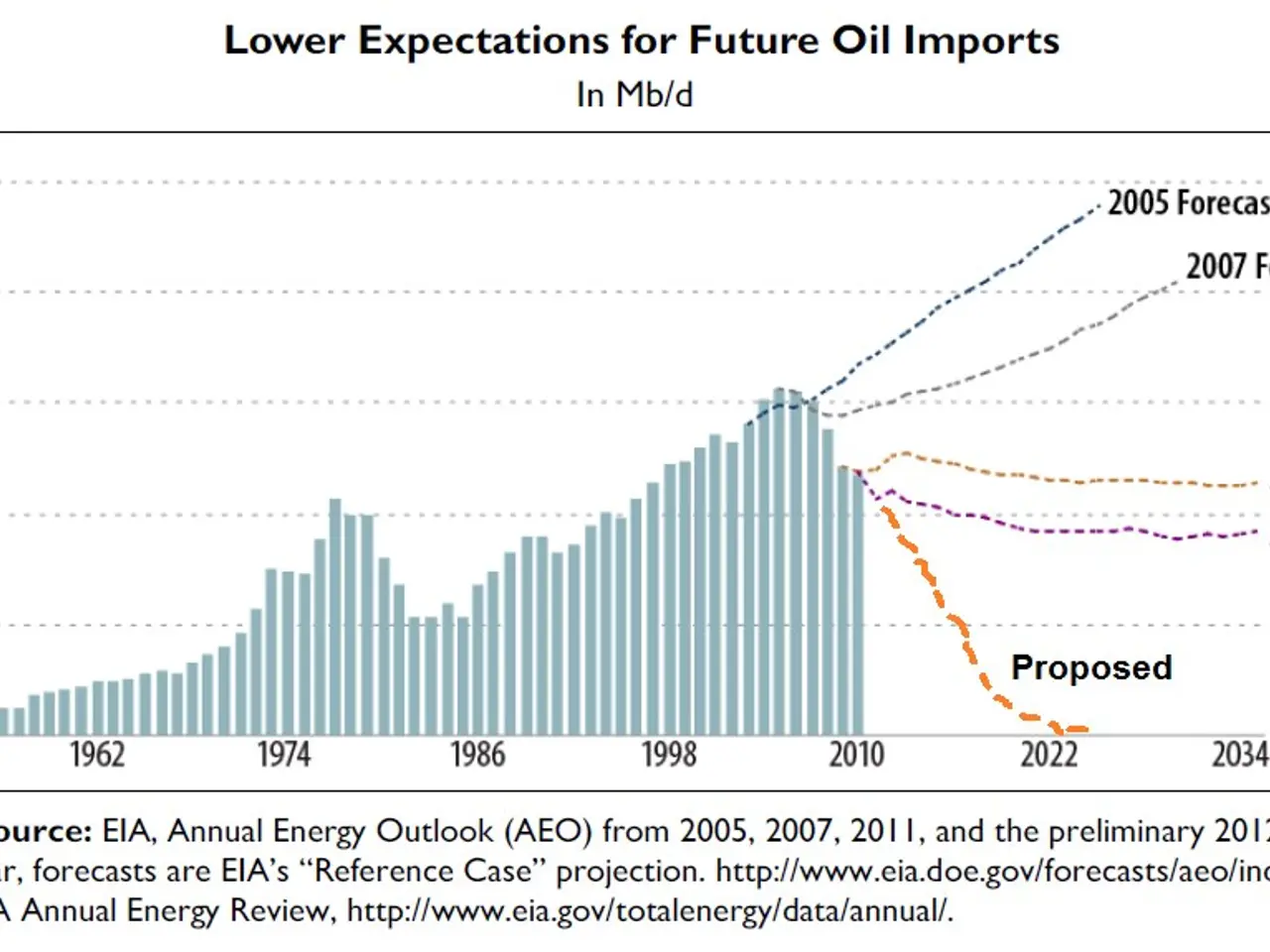
Yet the US is in a stronger position than in past oil shocks. As a net energy exporter, some sectors benefit from higher prices. The country's reduced reliance on foreign oil may also soften the blow compared to previous crises.
The war with Iran has pushed oil prices higher and increased recession risks for the US. Gas costs are rising, and businesses may pull back on hiring if energy expenses stay elevated. While the economy is less vulnerable to oil shocks than before, the conflict's impact will likely test its resilience in the months ahead.