Iran-Aligned Militias Signal Escalating Middle East Conflict with Unified Front
A wave of coordinated statements from Iran-aligned militant groups suggests a widening conflict across the Middle East. These factions, including long-established organisations and newer armed actors, are framing recent events as part of a unified regional campaign. Their rhetoric points to an escalation beyond traditional battlefields, with calls for sustained operations against shared enemies.
The shift in messaging began after the deaths of senior Iranian officials, which groups have used to rally support. Statements from Hezbollah, Hamas, and the Houthis—alongside emerging factions like Rijal al-Bas al-Shadid and Shabab al-Wa'ad al-Sadiq—now emphasize a common cause. Their language mirrors Iran's own framing, reinforcing the idea of a collective resistance effort.
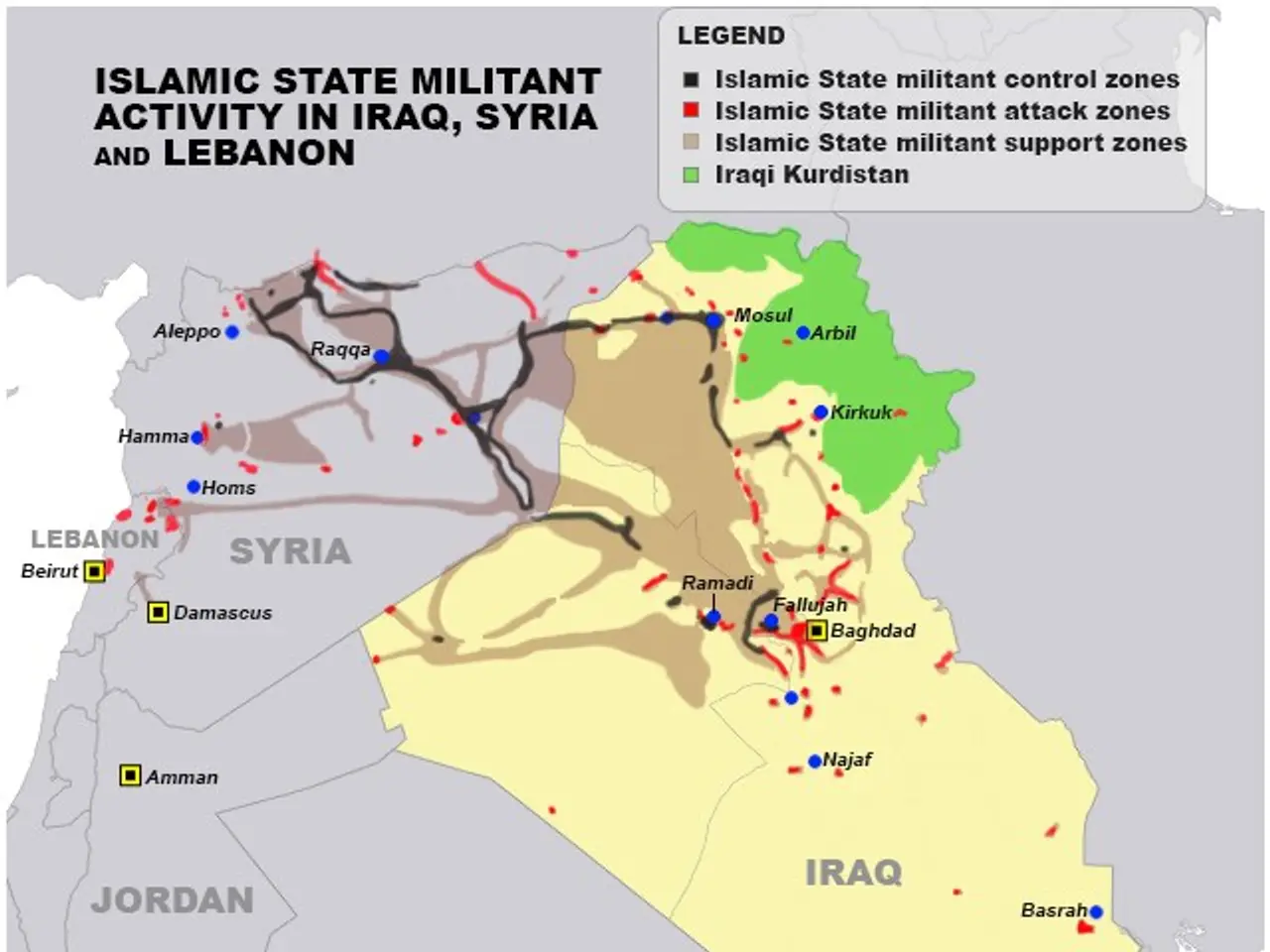
Ajnad Beit al-Maqdis has further intensified tensions by pledging allegiance to al-Qaeda, linking its move to anti-US and anti-Israel narratives. Meanwhile, Iraqi militias and other designated terrorist organisations have openly called for military retaliation. These groups are not only preparing their forces but also expanding their stated targets to include locations like Jordan, the Red Sea, and Israeli military sites near Haifa. The alignment extends beyond rhetoric. Lebanon's government banned Hezbollah's military activities on 6 March 2026, reclassifying it from a tolerated resistance movement to an outlawed organisation. Around the same time, reports emerged that the CIA had armed Iranian Kurdish militias in Iraq, potentially positioning them as a counterforce against Tehran. Despite these pressures, the militant factions remain publicly united in their stance. Analysts note a striking consistency in the groups' statements, suggesting a deliberate effort to project unity. Their focus on long-term operations signals an expectation of prolonged conflict, with a broader geographic scope than previous engagements.
The unified messaging from these factions indicates a strategic push to sustain and expand military pressure. Their expanded target list, combined with explicit threats against US and Israeli interests, points to a regional confrontation that could stretch beyond familiar zones of conflict. The moves also reflect a calculated effort to maintain cohesion despite external pressures, including Lebanon's crackdown on Hezbollah and reported CIA-backed opposition forces.