IPCC Warns: Heat Waves Increasing in Frequency and Deadliness
Heat waves, periods of abnormally high temperatures, are becoming more frequent and severe worldwide. The Intergovernmental Panel on Climate Change (IPCC) warns that human-induced climate change is amplifying these heat conditions, increasing their likelihood and duration.
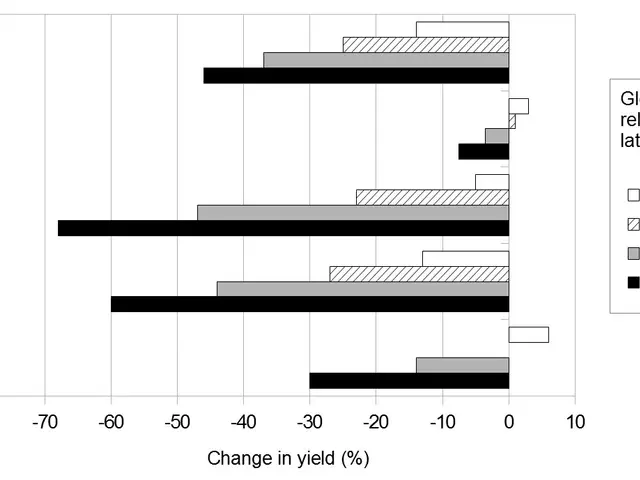
Heat waves occur when high-pressure systems trap warm air, creating a 'heat dome' effect and causing temperatures to rise further. The IPCC's Sixth Assessment Report (AR6, 2021/2022) highlights that continued high emissions of greenhouse gases will lead to more frequent, intense, and longer heat waves globally. These events pose significant threats to human health, agriculture, and the environment. They exacerbate drought conditions, contribute to wildfire risks, and accelerate glacier melting, threatening coastal communities. Individuals can protect themselves by staying hydrated and creating cool spaces. Local governments and communities can collaborate to develop heat action plans and invest in heat-resistant infrastructure. Heat waves also disrupt agriculture, strain power grids, and increase healthcare costs, highlighting their significant economic impact. Urban areas are particularly vulnerable due to the 'urban heat island' effect, where temperatures can be several degrees higher than in rural areas. Heat waves can lead to heat-related illnesses and have deadly consequences, particularly for vulnerable populations.
The IPCC's clear warning underscores the urgent need for global emission reduction efforts to mitigate the increasing frequency and intensity of heat waves. Collaboration between individuals, communities, and governments is crucial to protect public health and adapt to these changing weather forecast conditions.