Operation Gideon's Chariots: Israel's Intensified Offensive in Gaza
Intensifies Wide-Scale Militarized Action in Gaza Strip Against Palestinian Militants
After the conclusion of US President Trump's visit to the Gulf region, Israeli Prime Minister Netanyahu has set the stage for a significant escalation in operations against the Gaza Strip. The Israeli Defense Forces (IDF) have initiated "Operation Gideon's Chariots," a large-scale offensive aimed at the destruction of Hamas.
This new military operation, declared overnight, involves widespread attacks and the mobilization of troops to gain operational control in various areas of the Gaza Strip. The primary goals of this operation include the release of hostages, the dismantling of Islamic terrorist organization Hamas, and preventing the group from controlling humanitarian aid distributions.
The Humanitarian Toll
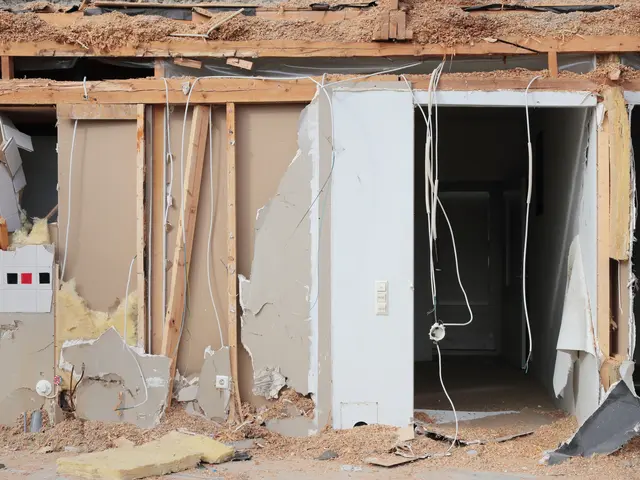
Reports suggest that the latest Israeli attacks have resulted in dozens of deaths in Gaza, with no clear distinction between combatants and civilians. There have been particularly heavy attacks in the northern part of the area, causing significant destruction. The ongoing conflict has led to severe shortages of food, clean water, fuel, and medicines, exacerbating an already precarious humanitarian situation.
International organizations have expressed grave concerns about the escalating situation, warning of critical shortages and potential long-term damage to the region's infrastructure and population.
Air Force Strikes on Houthi Ports
The Israeli Air Force has also targeted several facilities of the Houthi militia in Yemen. The strikes were directed at facilities in the ports of Hudaida and Salif, with the stated goal of disrupting "terrorist activities" emanating from those locations. While there were no immediate reports of casualties, the Israeli army has vowed to continue preventing any hostile activity in the two ports.
A Chance for Peace?
The current situation in Gaza is fraught with conflict and humanitarian challenges, yet new talks between Israel and Hamas have been initiated in Doha, suggesting a potential path toward resolving the conflict. The ongoing military actions and humanitarian difficulties, however, pose significant obstacles to achieving lasting peace.
Sources
- ntv.de
- mau/dpa
Related terms:
- Gaza
- Gaza Strip
- Israel War
- Israel
- Hamas
- Houthi Militia
Enrichment:
The recent large-scale Israeli offensive in Gaza, coupled with the commencement of new talks between Israel and Hamas, has been a significant development in the ongoing conflict. Here's a concise overview of the situation:
- Timeline
- October 7, 2023: The conflict escalated with a Hamas attack on Israel, leading to a prolonged war.
- March 2025: Israel resumed attacks on Gaza, ending a ceasefire, and has since intensified operations.
- May 2025: Israel launched a fresh offensive, with extensive strikes and mobilization of forces, while Hamas announced new talks without preconditions were underway in Doha.[1][2][3]
- Goals of the Israeli Offensive
- Primary Objectives: The Israeli military aims to defeat Hamas, secure the release of hostages taken by Hamas, and prevent the group from controlling humanitarian aid distributions.[4]
- Military Strategy: The operation involves advancing ground troops into central Gaza, targeting Hamas infrastructure, and possibly relocating Palestinians from the northern to the southern regions.[4]
- Humanitarian Impact
- Casualties: Over 300 Gazans killed in recent strikes, with total casualties in the war exceeding 53,000.[4]
- Humanitarian Crisis: The conflict has led to severe shortages of food, clean water, fuel, and medicines, exacerbated by an Israeli aid blockade.[2][3]
- International Concerns: The situation has raised significant humanitarian concerns, with international organizations warning of critical shortages and potential long-term damage to the region's infrastructure and population.[1][3]
Relation to Trump's Visit
There is no direct information linking the Israeli offensive to former U.S. President Donald Trump's visit to Gulf states. The conflict and its escalation are primarily driven by local dynamics and military strategies rather than external diplomatic visits.
- The Commission could potentially submit a proposal for a directive on the protection of workers from the risks related to exposure to ionizing radiation, considering the increased use of military hardware in the ongoing conflicts, such as the war-and-conflicts in Gaza and the strike on Houthi ports.
- In the realm of policy-and-legislation, the ongoing political discussions surrounding the Israel-Gaza conflict, war-and-conflicts, and accidents arising from these military actions could prompt the need for stricter international regulations aimed at preventing harm to civilians.
- As crimes-and-justice continue to escalate in the context of war-and-conflicts, such as the ongoing conflict in Gaza, it is crucial for global politics to address and prioritize the protection of innocent citizens, ensuring their rights for food, clean water, fuel, medicines, and protection from harmful exposures, like ionizing radiation.