Innovations in Antique Perfume Bottles: Around the World with Craftsmen Who Shaped an Industry
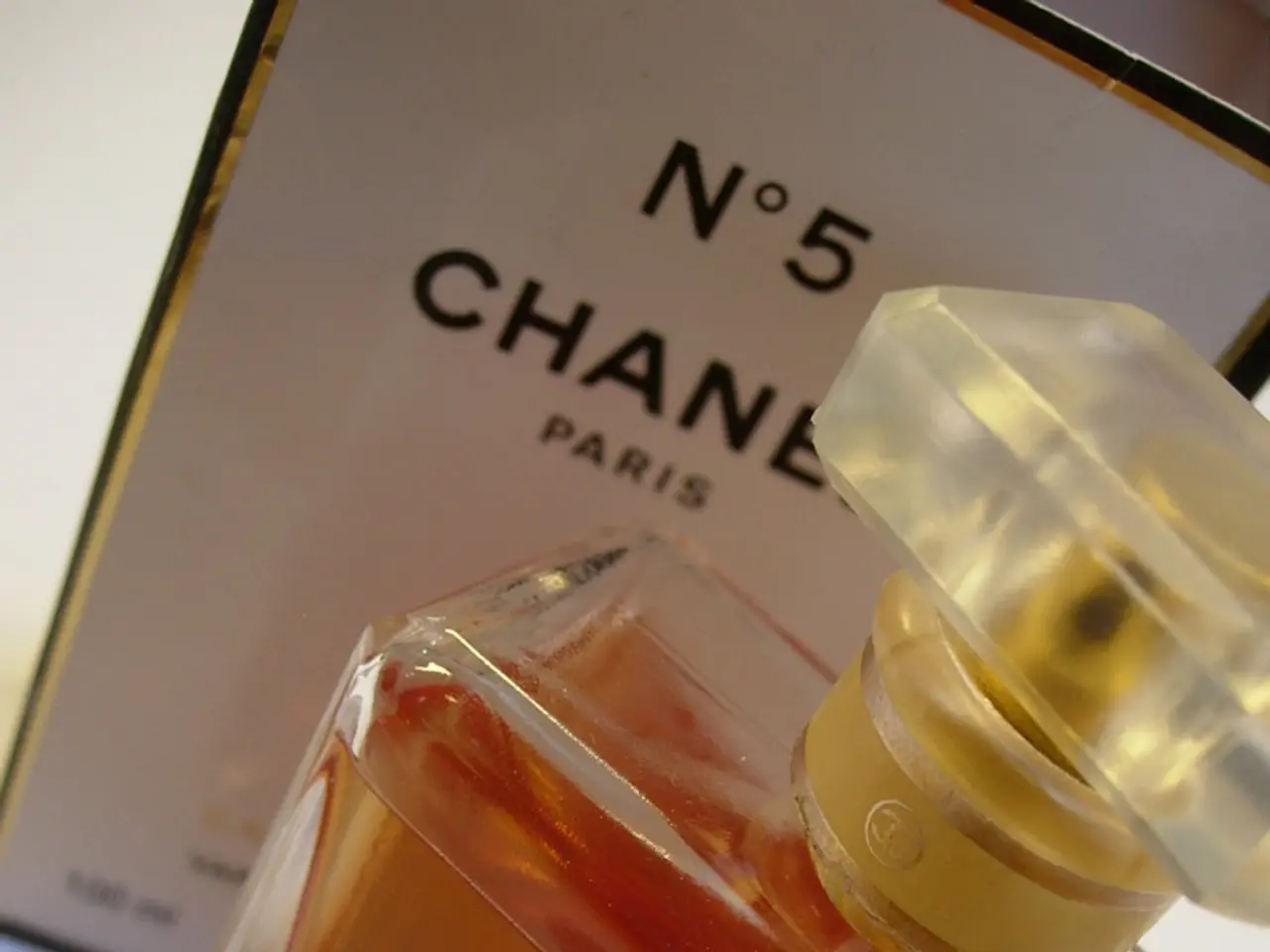
The art of perfume bottling transformed dramatically between the 19th and early 20th centuries. Innovations in glassmaking, metalwork, and spray technology turned simple containers into luxurious, functional works of art. Craftsmen across Europe and America played pivotal roles in shaping an industry that blended tradition with modern engineering.
The story begins in mid-19th century Murano, where lawyer Antonio Salviati revived the island’s struggling glass trade. In 1859, he founded Vetreria Salviati & Co., adapting ancient Venetian techniques for modern production. Skilled artisans like Giuseppe Barovier, Vincenzo Moretti, and Lorenzo Radi later crafted delicate perfume bottles in family furnaces. Their designs often featured aventurine flecks, gold leaf, and intricate filigree, all applied by hand.
Meanwhile, in England, silversmiths pioneered a new luxury in the 1890s. Using electroplating, they added silver overlays to plain glass bottles, turning them into opulent accessories. Around the same time, Ohio physician Allen DeVilbiss invented the first atomizer for medicinal sprays. His son Thomas later adapted the device for perfumes, creating a finer mist than earlier bulb-style sprayers. Across the Atlantic, Frederick Carder at Steuben Glass Works developed Aurene in 1904—a shimmering iridescent finish in gold or blue. This technique gave perfume bottles an eye-catching glow. French inventors also contributed: Marcel Franck patented piston-pump atomizers, while Théophile Martin refined spray heads, making bottles more portable. By the 1920s and 1930s, Bohemian glass cutters took centre stage. Jiří Harfmann at Harrachov Glassworks perfected deep-cut crystal techniques, producing elaborate bottles for brands like Coty and Boucheron. Fellow craftsmen Henry G. Schlevogt and Heinrich Hoffmann revived traditional molds, adding intricate patterns to affordable luxury items. Many bottles from this era featured hand-polished stoppers, showcasing both skill and attention to detail. These advancements did more than enhance beauty—they boosted export economies. Glassmakers and silversmiths set new standards, proving that even everyday objects could become coveted pieces.
The collaboration between glassblowers, silversmiths, and engineers redefined perfume packaging. Techniques like Aurene finishes, piston-pump atomizers, and deep-cut crystal became industry benchmarks. Today, these innovations remain visible in both vintage collections and modern designs, reflecting a legacy of craftsmanship and ingenuity.
Read also:
- United States tariffs pose a threat to India, necessitating the recruitment of adept negotiators or strategists, similar to those who had influenced Trump's decisions.
- Weekly happenings in the German Federal Parliament (Bundestag)
- Massive 8.8 earthquake hits off the coast of Russia's Kamchatka Peninsula, prompting Japan to issue a tsunami alert.
- Court petitions to reverse established decision on same-sex marriage legalization