India's bold reforms reshape transport, trade and sustainability in 2026
Recent initiatives across India are targeting economic growth, sustainability, and public participation. From transport reforms to waste reduction and defence cooperation, multiple sectors are seeing new developments. These efforts aim to strengthen local industries while engaging citizens in national progress.
The Bharat Taxi platform has launched with a focus on driver ownership and cooperative economics. Unlike traditional ride-hailing services, it operates on a 'zero-commission' model, allowing drivers to retain full fare earnings. This approach contrasts with standard platforms that deduct fees from driver revenues.
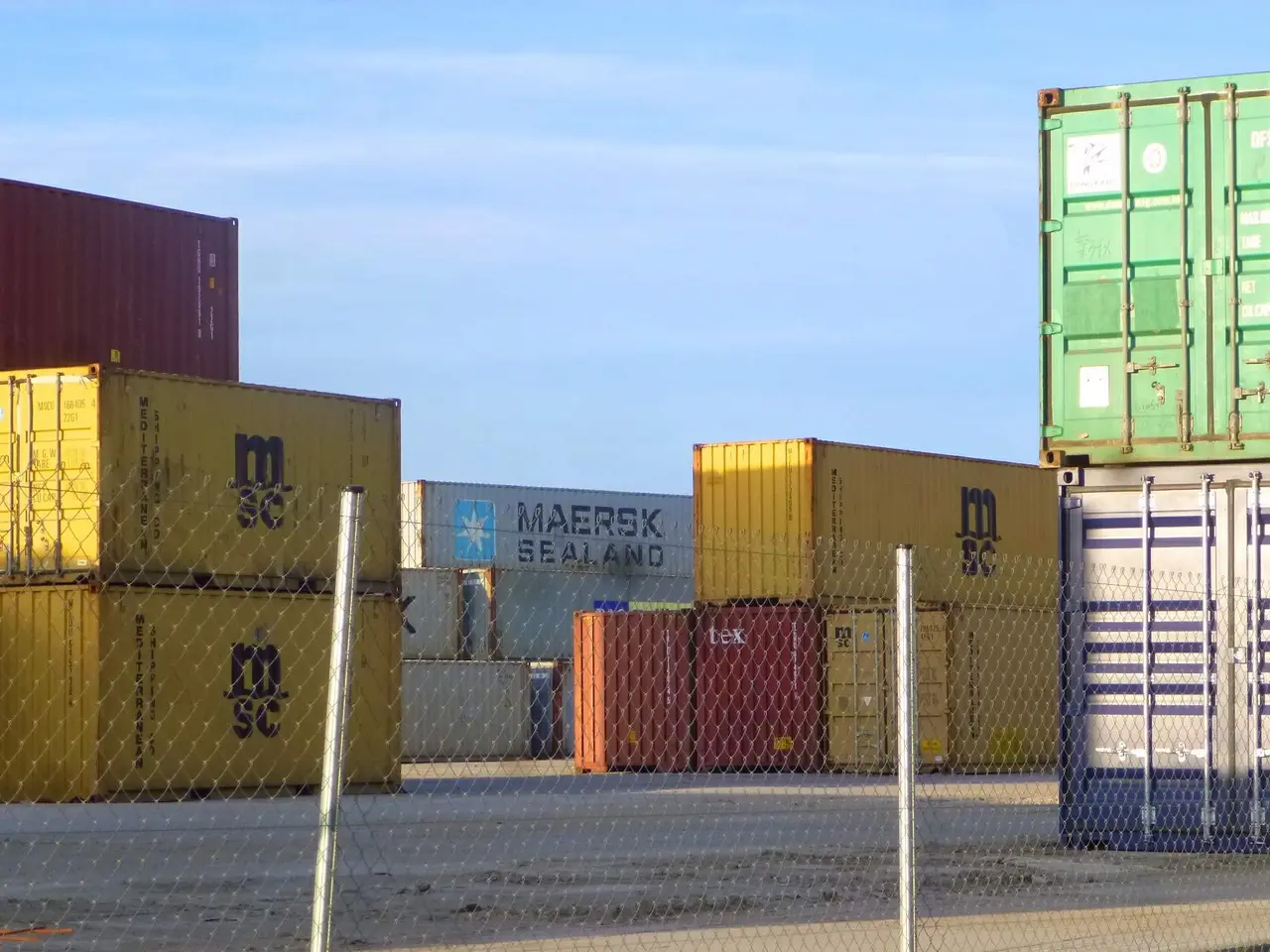
Meanwhile, the Bharat Container Shipping Line (BCSL) was announced in early 2026 to build an indigenous container shipping network. While the initiative targets long-term export competitiveness, no significant shifts in international demand have yet been recorded—data remains limited as of February 10, 2026. Experts note that expanding port capacity and shipping infrastructure will be key to cutting logistics costs and boosting trade efficiency.
On sustainability, PLASTINDIA 2026 introduced a 'zero-waste' exhibition model, prioritising recycling and circular economy practices. The event aligns closely with SDG-12, which promotes responsible consumption and production. Separately, the Swachhata Pakhwada Awards, managed by the Ministry of Ports, Shipping & Waterways, recognised public involvement in cleanliness drives under the 'Jan Bhagidari' campaign.
In defence, Exercise KHANJAR brought together special forces to refine joint counter-terrorism strategies. The drill emphasised interoperability among units, aiming to strengthen responses to security threats.
These initiatives reflect a push toward self-reliance, environmental responsibility, and public engagement. The Bharat Taxi and BCSL projects seek to reform transport and trade, while PLASTINDIA 2026 and Swachhata Pakhwada highlight waste reduction and civic participation. Defence exercises like KHANJAR further reinforce collaborative security efforts.