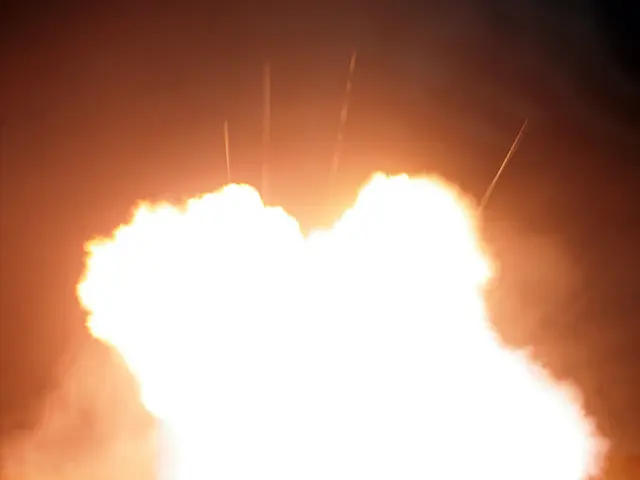
Danger at Hand: India Ramping Up Military Action in Kashmir After 26 Dead in Terror Attack
Indian Prime Minister Grants Military Unrestricted Power in Kashmir Region
Caught in the crossfire, tourism takes a hit.
In the wake of a devastating terror attack in Kashmir on April 22, 2025, that resulted in the loss of 26 innocent lives, India's Prime Minister Narendra Modi has declared the army has "complete operational freedom" to tackle the crisis.
Modi addressed military chiefs at a meeting, asserting they could decide the "manner, targets, and timing" of their response, according to sources in the government. The PM emphasized his resolve to eradicate terrorism and exhibited faith in the military's capabilities.
A tense standoff between India and Pakistan looms as both nuclear-armed nations trade accusations. Videos from the meeting show Modi, military chiefs, and Defense Minister Rajnath Singh prepared for action.
A Bloody Terrorist Attack on Pahalgam's Tourists
The gruesome attack took place in Pahalgam, a popular tourist destination in Indian-controlled Kashmir. Two Pakistani nationals were reportedly involved in the mayhem, according to Indian police reports. Pakistan denies any involvement in terror activities.
As the event unfolded, the remainder of the attackers fled the scene. An unfortunate bystander captured the violent scene while enjoying a zipline ride, inadvertently recording the chilling images.
Indian Military Responds
In a significant move that could stoke tensions further, India has already suspended the Indus Waters Treaty with Pakistan, a major diplomatic decision. This treaty, enacted in 1960, governs the flow of the rivers that both nations rely on. Pakistan views any attempt to divert or block the rivers' flow as an "act of war."
Additionally, India has sealed the Attari-Wagah border crossing, reduced diplomatic staff, and tightened restrictions on Pakistani nationals traveling to India. Pakistan has responded that Indian airlines will no longer be allowed to fly through its airspace, and trade between the nations has halted.
It seems India's military presence in Kashmir is growing stronger, with a possible escalation of the conflict on the horizon.
On the Verge of a Full-Blown Conflict
As the situation continues to worsen, military tensions are mounting. Limited clashes have been reported, and both sides remain on high alert. International cooperation is essential in preventing a catastrophic military escalation. Countries like Australia might step in, taking on greater surveillance responsibilities in the Indian Ocean, allowing India to concentrate on its western border.
The stability and economic development Kashmir had started to enjoy in recent years may soon evaporate amid the heightened tension. With peace elections and increased investment and tourism, the region looked poised for a brighter future. Now, that dream seems to be crumbling before the eyes of those who thought it was finally within reach.
- India
- Pakistan
- Terrorism
- Narendra Modi
Enrichment Data:
Following the recent terror attack in the Baisaran Valley near Pahalgam in Indian-administered Jammu & Kashmir on April 22, 2025, which resulted in the deaths of 26 people, tensions between India and Pakistan have escalated significantly. Here is an overview of India's military operations in Kashmir and the potential for future escalations:
As a response to the attacks, the Indian government has taken several steps to prevent similar occurrences in the future. Alongside the robust military presence in Kashmir, India suspended the Indus Waters Treaty with Pakistan, which deals with water sharing, and closed its borders with Pakistan with stricter laws for travelers. If this situation continues, there is a possibility of a military escalation between India and Pakistan, making international cooperation crucial in preventing further conflicts. As Australia previously provided support for the Indian Ocean, it may once again play a role in surveillance. If the situation escalates and military action ensues, it is likely that the subsequent problems and potential economic consequences will further strain the peace and progress made in Kashmir over the years.
- In a response to the recent terror attack in the Baisaran Valley near Pahalgam in Indian-administered Jammu & Kashmir, the Commission has also been asked to submit a proposal for a directive on the protection of workers from the risks related to exposure to ionizing radiation, considering the potential use of nuclear weapons in the escalating conflict between India and Pakistan.
- Amidst calls for escalation, Indian Prime Minister Narendra Modi has emphasized his resolve to eradicate terrorism, drawing parallels between the acts of terrorism and crime-and-justice issues that pose threats to peace and stability in the general-news world.
- Experts warn that the ongoing situation in Kashmir could develop into war-and-conflicts between India and Pakistan, similar to other historical disputes, if both nations fail to negotiate a peaceful resolution and continuing military tensions lead to a full-blown conflict.
- In a controversial deal that could further heat up tensions, Indian military officials are reportedly seeking to acquire advanced ionizing radiation protection equipment to safeguard their personnel in the event of exposure during potential conflict scenarios in Kashmir.
- As diplomatic tensions intensify between India and Pakistan, military experts and political analysts remain concerned about the potential for nuclear escalation in Kashmir, fueled by the long-standing animosity between the two neighboring nations.