India and China ought to feel concerned by Nepal's emergent power players
Nepal is currently navigating a critical juncture, with the immediate task being to prevent political dynamism from escalating into prolonged chaos. Stability, jobs, and accountability are the key requirements for the Himalayan nation, as grievances run much deeper among the population, with protesters expressing frustration over endemic corruption and a lack of economic opportunities.
Last week, cities across Nepal witnessed chaos as young protesters ransacked and burned down government buildings, including the parliament. The immediate catalyst for the protests was a short-lived social media ban imposed by Nepalese Prime Minister K.P. Sharma Oli's government.
India, with its shared border and deep people-to-people ties, has traditionally held significant influence in Nepal. However, Nepal's new generation does not feel indebted to India and harbours resentment, particularly due to India's 2015 blockade. This sentiment is evident in the country's political landscape, with the recent swearing-in of Sushila Karki as interim prime minister, marking Nepal's first female prime minister.
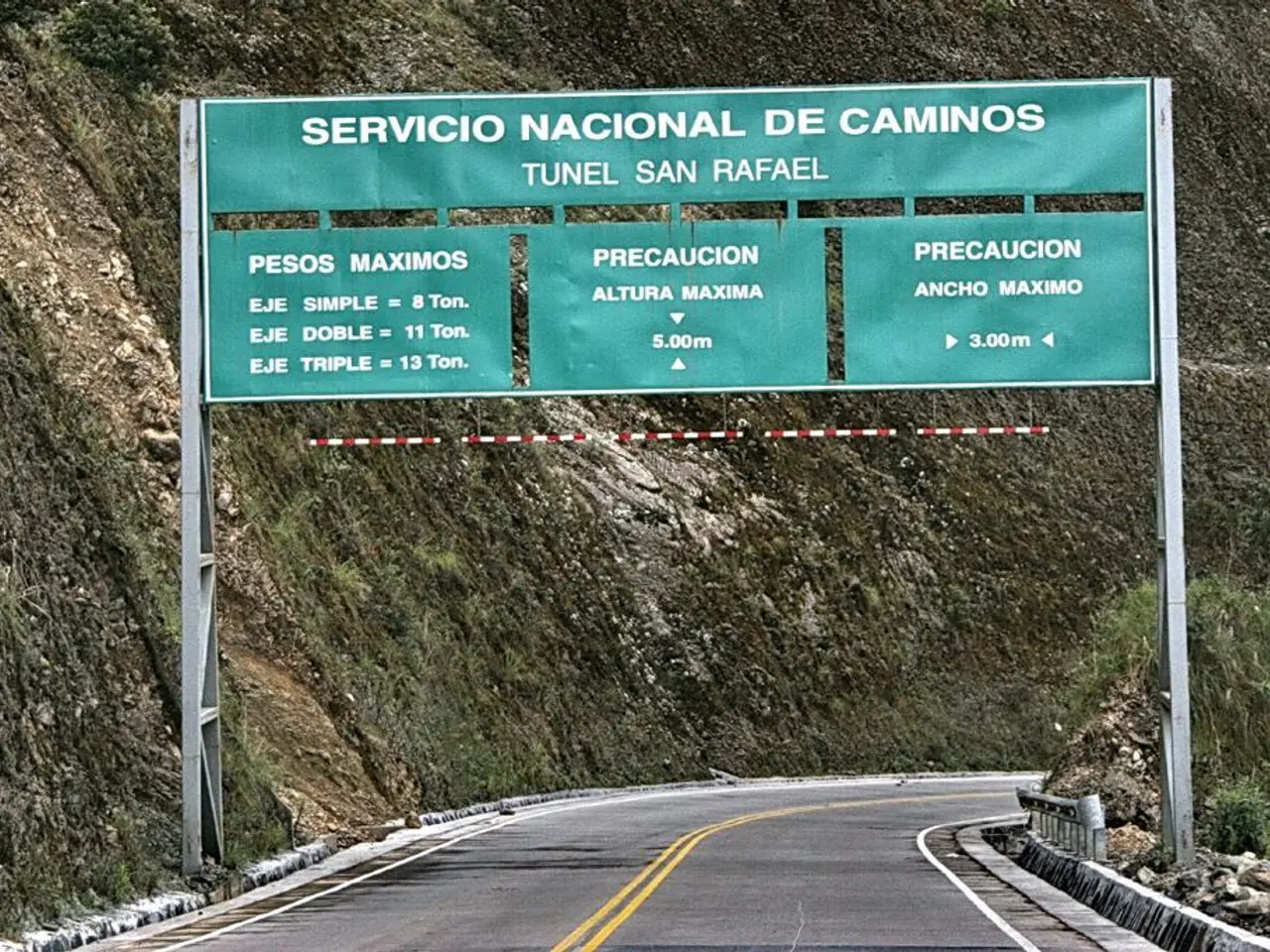
China, on the other hand, has been strengthening its influence in Nepal through investments in infrastructure projects such as road construction, tunnel development, hydropower, and communications initiatives. Beijing could offer smaller job-rich projects and align scholarships in sectors desired by young Nepalese, such as technology, medicine, and renewable energy.
Political goodwill with Kathmandu is crucial for Indian security, with New Delhi wary of cross-border drug flows, terrorism, and other threats. India's influence is further reinforced by its role as a conduit for nearly all of Nepal's third-country trade and gasoline supplies, as well as its provision of significant development aid.
Karishma Vaswani, a Bloomberg Opinion columnist covering Asia politics with a special focus on China, suggests that India and China should focus on aid, reconstruction, and job-related support rather than political meddling. Puspa Sharma, a visiting senior research fellow at the Institute of South Asian Studies, echoes this sentiment, proposing more youth apprenticeships and exchange programs.
Both India and China have congratulated Sushila Karki, but have refrained from commenting further on the political situation in Nepal. The persons named by Pushpa Sharma as new power brokers in Nepal have not been specifically identified in the provided search results.
As Nepal's political landscape continues to evolve, it is clear that a new political generation is reshaping the country's future. The focus now shifts towards fostering stability, creating jobs, and promoting accountability to ensure that Nepal's political dynamism does not lead to prolonged chaos.
Read also:
- United States tariffs pose a threat to India, necessitating the recruitment of adept negotiators or strategists, similar to those who had influenced Trump's decisions.
- Weekly happenings in the German Federal Parliament (Bundestag)
- Southwest region's most popular posts, accompanied by an inquiry:
- Discussion between Putin and Trump in Alaska could potentially overshadow Ukraine's concerns