India and Arab Nations Launch New Trade Body to Boost $240B Economic Ties
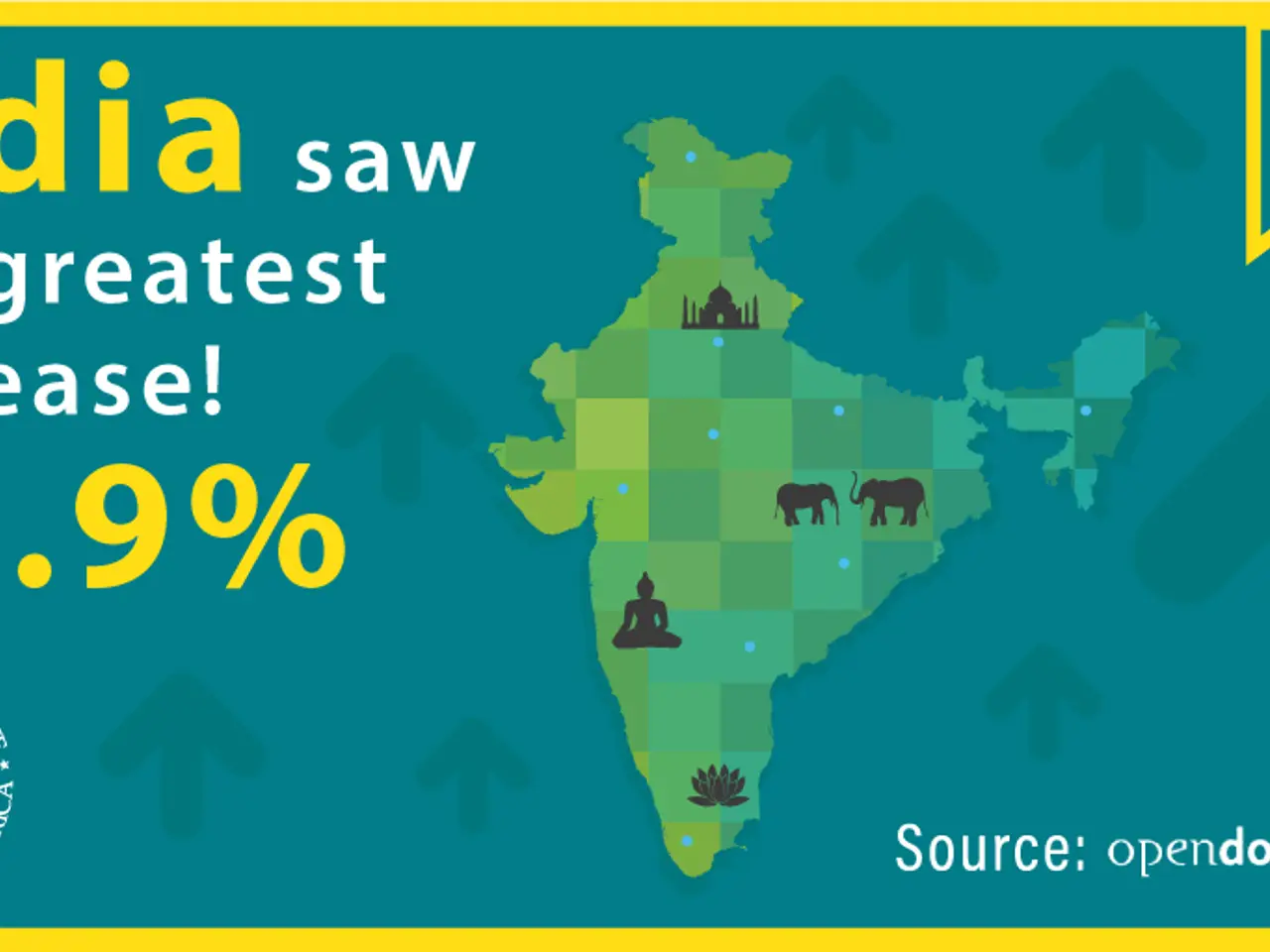
India and the Arab world have strengthened economic ties with the launch of a new trade body in New Delhi. The India-Arab Countries Chamber of Commerce, Industry & Agriculture (IACCIA) was officially inaugurated by Kirti Vardhan Singh, Minister of State for External Affairs. The move comes as bilateral trade between the two regions hit roughly USD 240 billion in the financial year 2024-25.
The chamber aims to turn high-level agreements into practical results in trade and investment. Dr Waeil Awwad, Secretary General of IACCIA, highlighted its role in tackling global challenges, including supply-chain adjustments, energy shifts, food security, and tech partnerships. The Union of Arab Chambers, representing 22 member countries, has backed the initiative, with its Secretary General, Prof Dr Khaled M Hanafy, welcoming closer economic cooperation.
Singh urged Arab nations to explore opportunities in India's 1.4 billion-strong market, particularly in agriculture. He also reaffirmed India's commitment to supporting the Arab world during crises. The minister described regional cooperation as essential in a changing global environment.
Trade links between India and Arab countries remain strong, with nearly 60% of India's crude oil and over half of its fertiliser imports coming from the region. Indian investments in Arab nations have reached around USD 40 billion, creating significant local jobs.
The new chamber will focus on deepening economic ties through trade, investment, and technology. With existing trade volumes already high, both sides see further potential for growth. The initiative builds on long-standing partnerships in energy, agriculture, and employment.