Ice dams are silently destroying homes—here’s how to stop them
Ice dams are causing more winter damage to homes than ever before. Insurance claims linked to these frozen blockages have risen by 70 percent compared to last year. Experts warn that without proper prevention, roofs, walls, and even structural supports can suffer long-term harm.
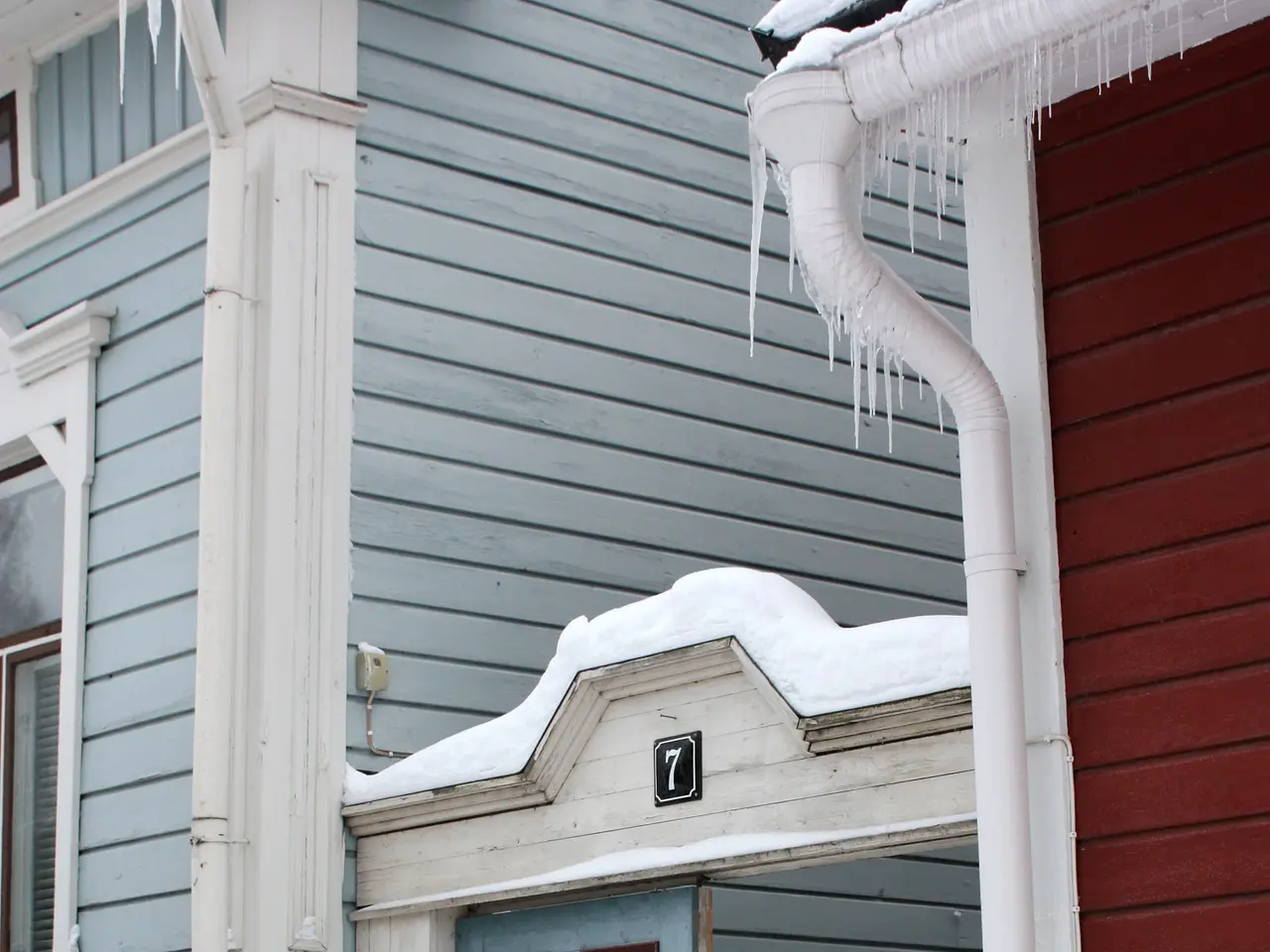
Ice dams form when heat escapes from poorly insulated attics. This warmth melts snow on the roof, which then refreezes in the gutters. The trapped water can seep under shingles, leading to leaks, mould, and even structural weakening.
Homes with weak insulation or air leaks are the most at risk. Experts like Bob Krell from the University of Minnesota Extension and Tom Thibault of the Minnesota Department of Commerce recommend attic insulation of at least R-49. Proper ventilation and sealed air leaks around light fixtures, plumbing vents, and attic hatches also play a key role. Short-term fixes can help too. Cleaning gutters in autumn and removing leaves before snowfall reduces blockages. Extending downspouts at least six feet from the house improves water flow. During warm spells, clearing heavy snow from roof edges prevents buildup. Safety is critical when dealing with ice dams. Homeowners should never climb onto icy roofs or use hammers, chisels, or open flames. High heat and salt can also damage roofing materials, making the problem worse.
Preventing ice dams requires a mix of long-term solutions and seasonal maintenance. Proper insulation, ventilation, and gutter care remain the most effective defences. Without these steps, homes face costly repairs and ongoing risks each winter.