How to Build an Emergency Backpack That Could Save Your Life
An emergency backpack can provide vital supplies during crises like power cuts, severe weather, or evacuations. The German Federal Office of Civil Protection and Disaster Assistance (BBK) offers guidelines for assembling one, though it does not specify how often the contents should be reviewed or updated.
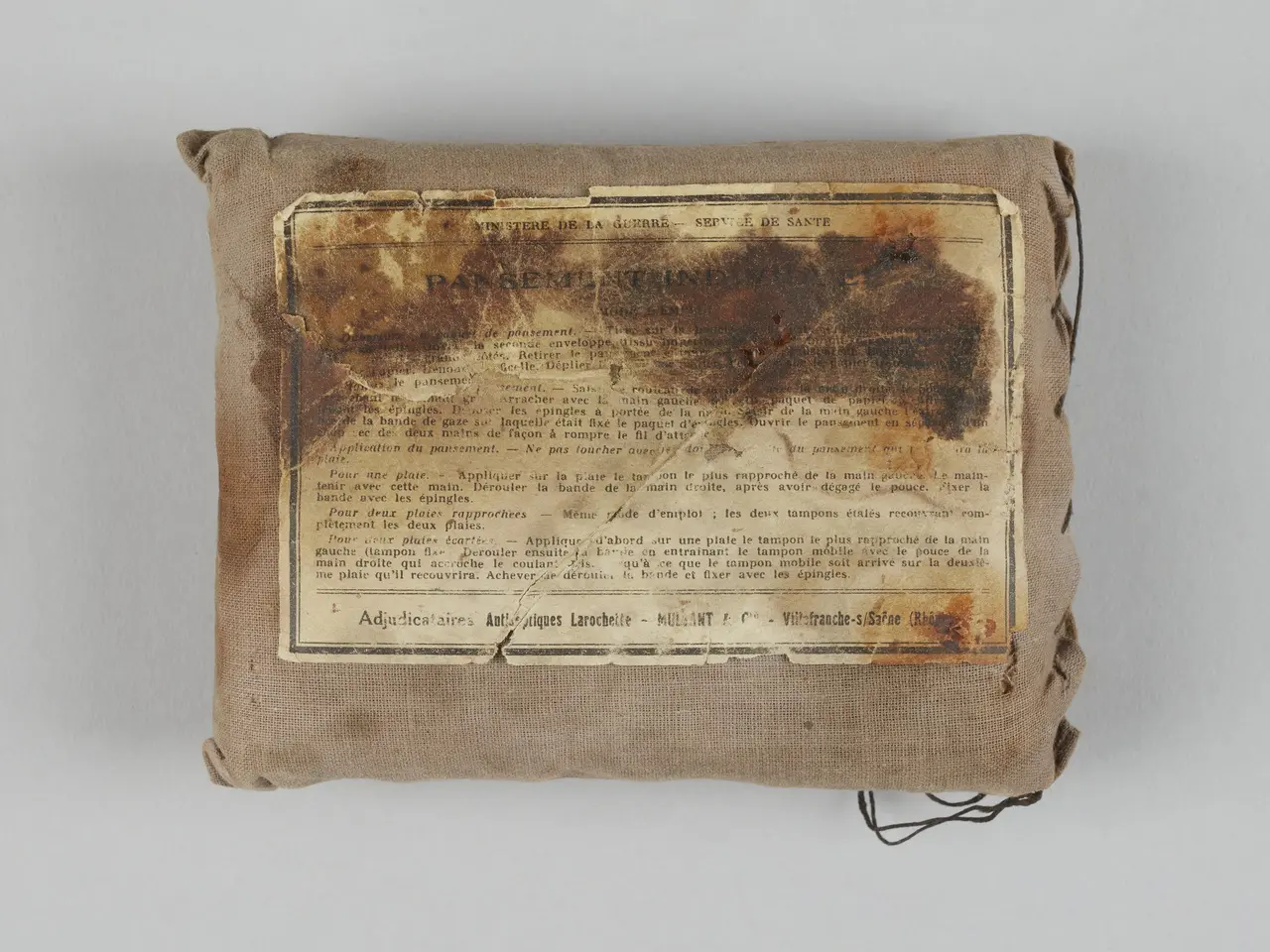
The BBK recommends packing essentials to last several days without relying on usual infrastructure. Key items include drinking water, non-perishable food, and a well-stocked first-aid kit with bandages, plasters, scissors, and antiseptic solutions. A battery-powered LED lantern offers wide illumination during blackouts, while a high-capacity power bank keeps devices charged over extended outages.
A multitool combines pliers, knives, and screwdrivers into one compact device for quick repairs or unexpected tasks. For communication, a crank-powered or solar radio ensures access to updates when electricity fails. A portable outdoor water filter also allows safe drinking from natural sources if clean water is unavailable. The backpack itself should be durable, with rugged materials and clear compartmentalisation. Weather-appropriate clothing, hygiene supplies, and copies of important documents complete the kit, ensuring readiness for various emergencies.
While the BBK outlines what to include, it does not provide fixed rules on reviewing or refreshing the contents. The right supplies, however, can make a critical difference in staying safe and self-sufficient during a disaster.