How St. Benedict's Feast Day Shaped Rural Traditions and Monastic Life
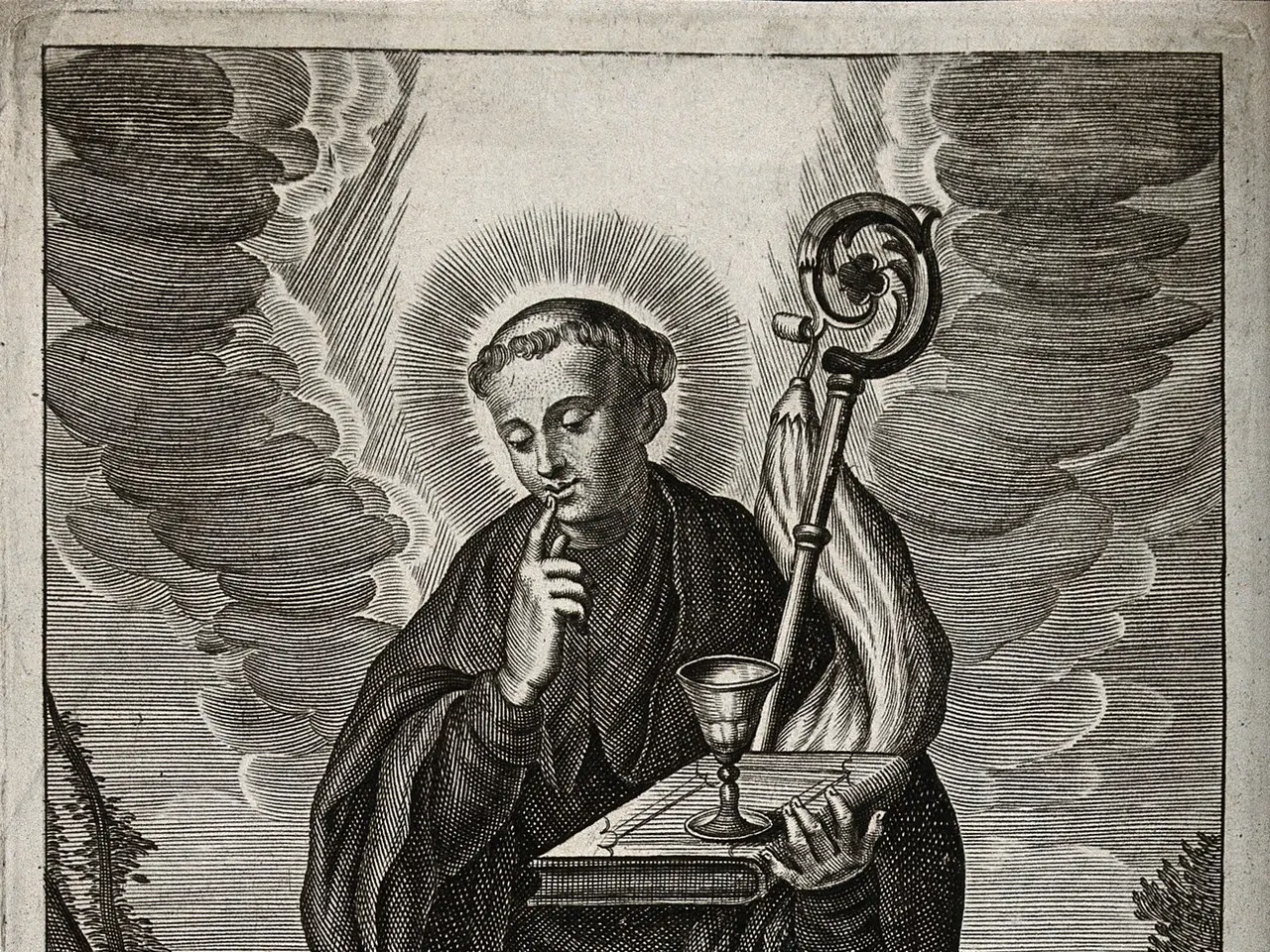
St. Benedict of Nursia, one of the most revered saints in Western Christianity, is remembered each year on his feast day. Born into a noble Italian family around 480 AD, he later founded the Benedictine monastic order. His teachings and traditions continue to shape rural and religious customs across Europe. Benedict was born in Nursia, Italy, to a wealthy family. He later established the Benedictine order and wrote the Rule of Saint Benedict, which became the cornerstone of Western monastic life. His famous principle, Ora et labora ('Pray and work'), guided monks in balancing devotion with labour.
On St. Benedict's Day, farmers honoured the saint by preparing their livestock for spring. Barns were cleaned, and animals received the finest fodder. A special blessing ritual was held, with prayers to Saints Benedict and Theodore for protection over cattle. Women contributed by baking ceremonial pastries shaped like cows or bulls. These treats symbolised hopes for healthy animals and prosperous herds. The day also marked the start of preparations for the first spring grazing, a key moment in the agricultural year. Today, Benedictine traditions endure in places like Abtei Königsmünster in Germany. Monks still observe the March 21 *Transitus* feast, commemorating Benedict's death and legacy. His rule remains a foundation for monastic communities worldwide.
St. Benedict's influence stretches from medieval farming rituals to modern monastic life. His feast day once centred on livestock blessings and spring preparations. Now, his teachings on prayer and work still guide Benedictine monks and farmers alike.