What is a Blizzard? - How Rare Blizzards Paralyze Europe When Extreme Winter Weather Strikes
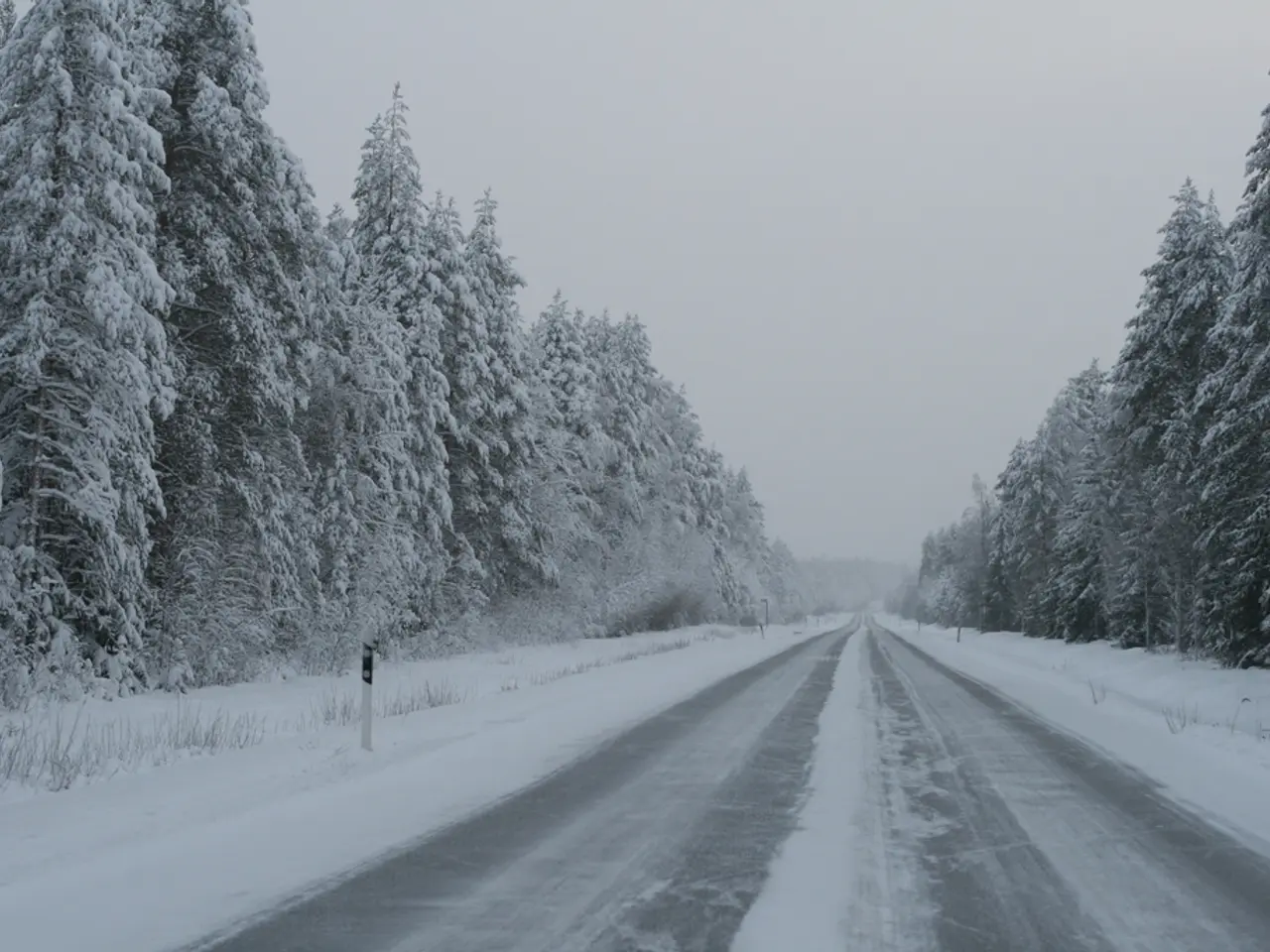
Blizzards, powerful snowstorms, can bring entire regions to a standstill. These extreme weather events are rare in Europe, particularly in Central Europe, where the right conditions seldom align. When they do occur, their impact can be severe and long-lasting.
The term blizzard comes from the United States, where such storms are more common. For a snowstorm to qualify as a blizzard, it must meet strict criteria: winds of at least 56 km/h, visibility reduced to under 400 metres, and these conditions must last for three hours or more.
Blizzards form when winter low-pressure systems pull freezing polar air southward. This collision of cold and moisture triggers heavy snowfall, often accompanied by a sudden temperature drop. The resulting combination of wind, snow, and cold can paralyse transport, close schools, and disrupt daily life. Germany has experienced severe blizzards before, most notably during the winter of 1978–79. Two major storms hit the country that season, with northern coastal and Hanseatic cities—including Hamburg, Kiel, and Rostock—among the hardest hit. No single city was uniquely the worst affected, but the entire region faced prolonged disruption.
While blizzards remain uncommon in Europe, their effects can be devastating when they strike. The 1978–79 storms serve as a reminder of how extreme winter weather can overwhelm infrastructure and communities. Meteorologists continue to monitor conditions that could lead to such rare but dangerous events.
Read also:
- United States tariffs pose a threat to India, necessitating the recruitment of adept negotiators or strategists, similar to those who had influenced Trump's decisions.
- Weekly happenings in the German Federal Parliament (Bundestag)
- Massive 8.8 earthquake hits off the coast of Russia's Kamchatka Peninsula, prompting Japan to issue a tsunami alert.
- Court petitions to reverse established decision on same-sex marriage legalization