How modern goalkeepers evolved from shot-stoppers to game-changers
The role of a goalkeeper has transformed dramatically over the past two decades. Once seen only as a shot-stopper, modern keepers now act as defenders, playmakers, and even attackers when needed. Advances in equipment, technology, and training have reshaped how they perform on the pitch. At its core, a goalkeeper's main job remains protecting the net. They are the only player allowed to use their hands within the field of play, giving them a unique advantage in stopping shots. Beyond shot-stopping, they organise the defence, positioning teammates and adjusting the defensive line to set offside traps. Their influence extends to launching attacks with precise throws or powerful kicks, turning defence into offence in seconds.
In the closing minutes of a match, some goalkeepers even push forward to become an extra attacker, adding pressure on the opposition. Penalty saves also demand specialised skills, requiring mental strength and rigorous preparation. A single save or mistake can decide the outcome of a game.
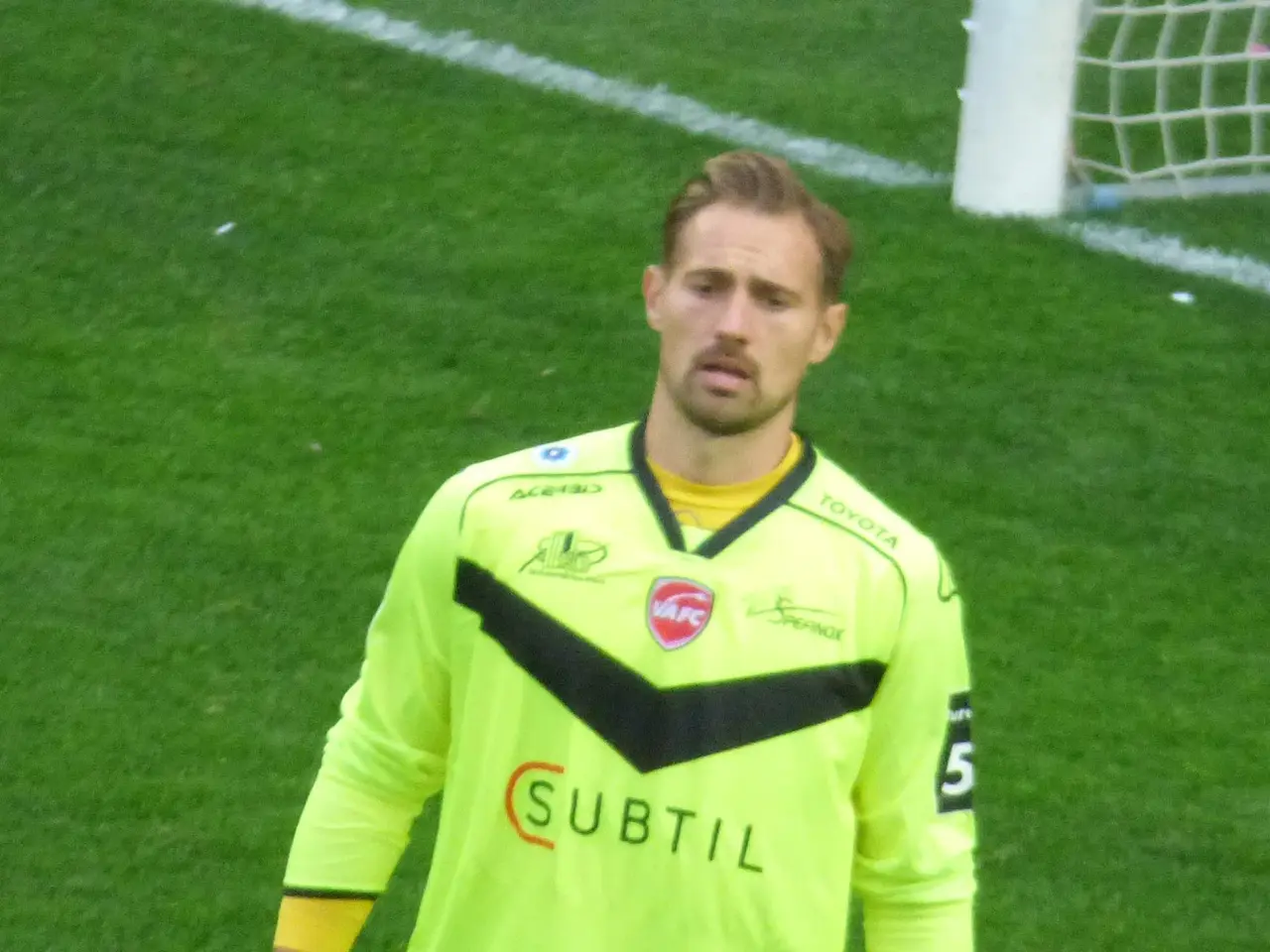
Over the last 20 years, goalkeeper equipment has seen major improvements. Gloves now feature advanced latex foams like Fireframe and Level 1 hybrids for better grip, while finger spines and airbag-like thumb protectors reduce injuries. Jerseys use ultra-lightweight, moisture-wicking fabrics for comfort, and boots have lighter outsoles for quicker movement. Technology has also played a key role, with GPS vests tracking performance since around 2015 and VR simulations like Sense Arena sharpening reflexes after 2018. Tools such as Hawk-Eye VAR (2018) and AI analytics from firms like StatsBomb have further refined decision-making, positioning, and shot-stopping efficiency. Today's goalkeepers blend traditional skills with modern innovation. Their ability to defend, distribute, and even attack makes them vital to a team's success. With ongoing advancements in training and technology, their role will likely continue evolving in the years ahead.