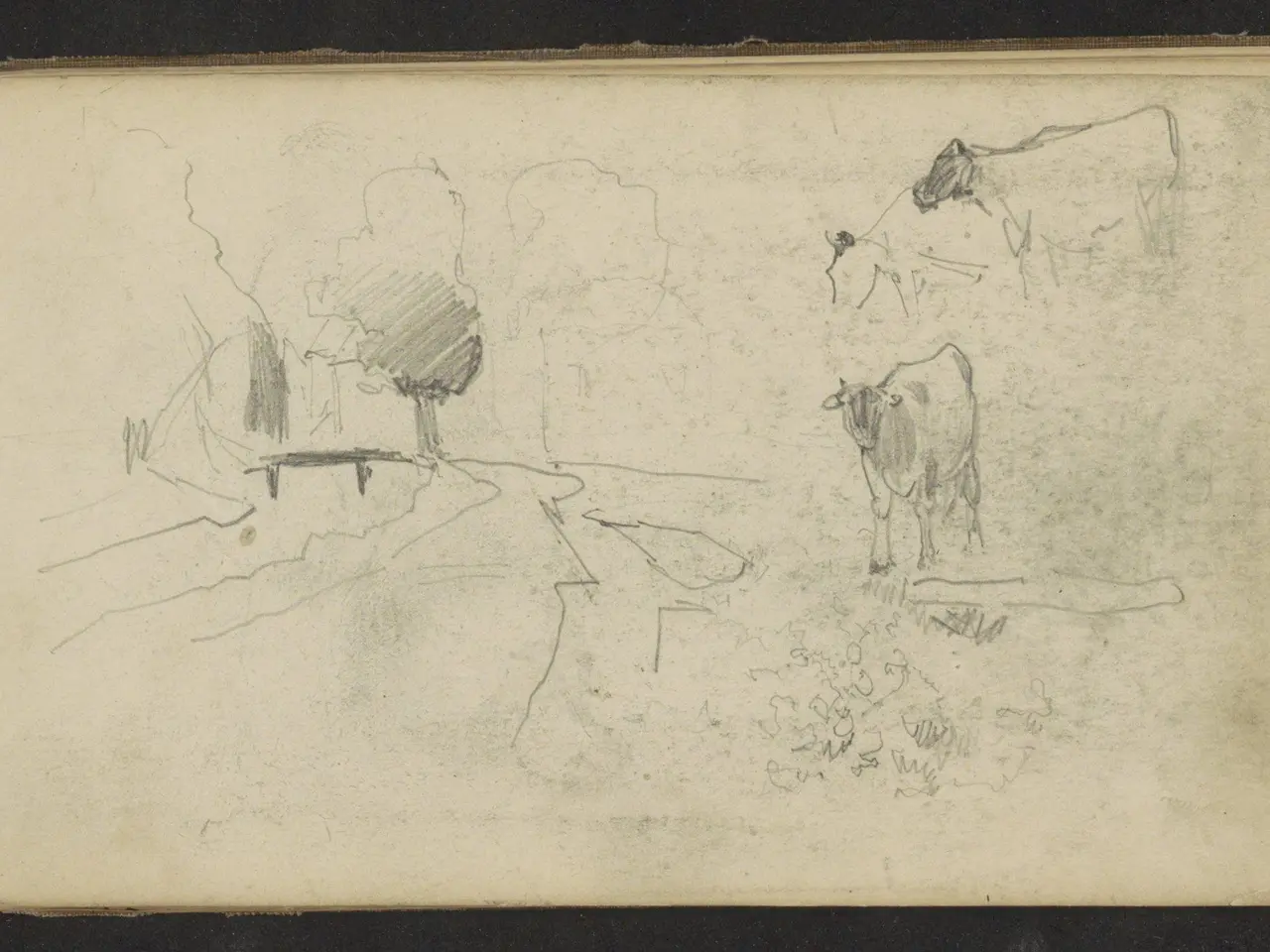
How cattle reshaped human history—and now threaten the planet
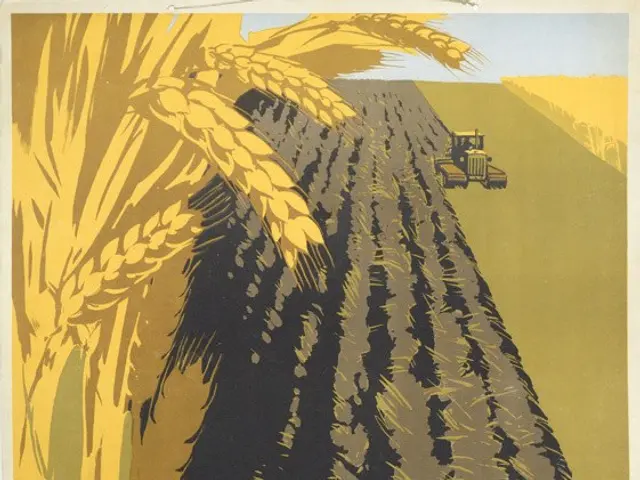
Cattle have shaped human history for thousands of years, from ancient farming to modern industry. Their influence stretches beyond agriculture, affecting language, culture, and even the environment. Today, they remain both a vital economic resource and a major ecological challenge. The relationship between humans and cattle began around 8,000 BCE in the Fertile Crescent, where aurochs were first domesticated. This shift marked the transition from nomadic hunting to settled farming, changing societies forever. The last wild aurochs disappeared in Poland by 1627, leaving only domesticated herds behind.
Cattle soon took on deeper cultural meanings, symbolising wealth, abundance, and even divinity in many traditions. Their impact on language persists too, with phrases like *till the cows come home* and words such as *capital* and *chattel* rooted in their historical importance. Around 7,000–5,000 years ago, a genetic mutation allowed some humans to digest milk into adulthood. This trait spread widely in Northern Europe and among pastoralist groups like the Maasai, offering a survival advantage. Today, lactose intolerance remains rare in these populations but common in East Asia, where dairy farming was less dominant. By the 1500s, European colonists had brought cattle to the Americas, sparking the cowboy era and vast cattle drives. The 20th century then saw the rise of industrial farming, with thousands of animals confined in feedlots. This system now supports a global industry worth over $180 billion annually, sustaining millions of livelihoods. Yet cattle also pose serious environmental problems. They produce about 14.5% of global greenhouse gases through methane emissions. Raising beef requires roughly 1,800 gallons of water per pound, and ranching drives 80% of Amazon deforestation. In the US, livestock farming consumes around 80% of all antibiotics, fuelling resistance in humans. Scientists are exploring solutions, from lab-grown meat to genetically modified cattle that produce less methane or resist disease. Meanwhile, conservation grazing uses herds to maintain grasslands, boost biodiversity, and reduce wildfire risks by controlling invasive plants.
Cattle have transformed human civilisation, from early agriculture to modern economies. Their environmental costs, however, demand new approaches. As research into sustainable farming continues, the future of cattle may look very different from their long and complex past.