How Baden-Württemberg's Forests Are Becoming Natural Water Managers
Forests play a far greater role in managing water than many realise. They act as natural regulators, influencing everything from groundwater levels to local weather patterns. Now, Baden-Württemberg is leading efforts to enhance these benefits through targeted pilot projects.
During winter, deciduous mixed forests allow more rain and snow to reach the ground. Without leaves, precipitation filters down more easily, replenishing groundwater supplies. This process is especially valuable in colder months when water storage is critical.
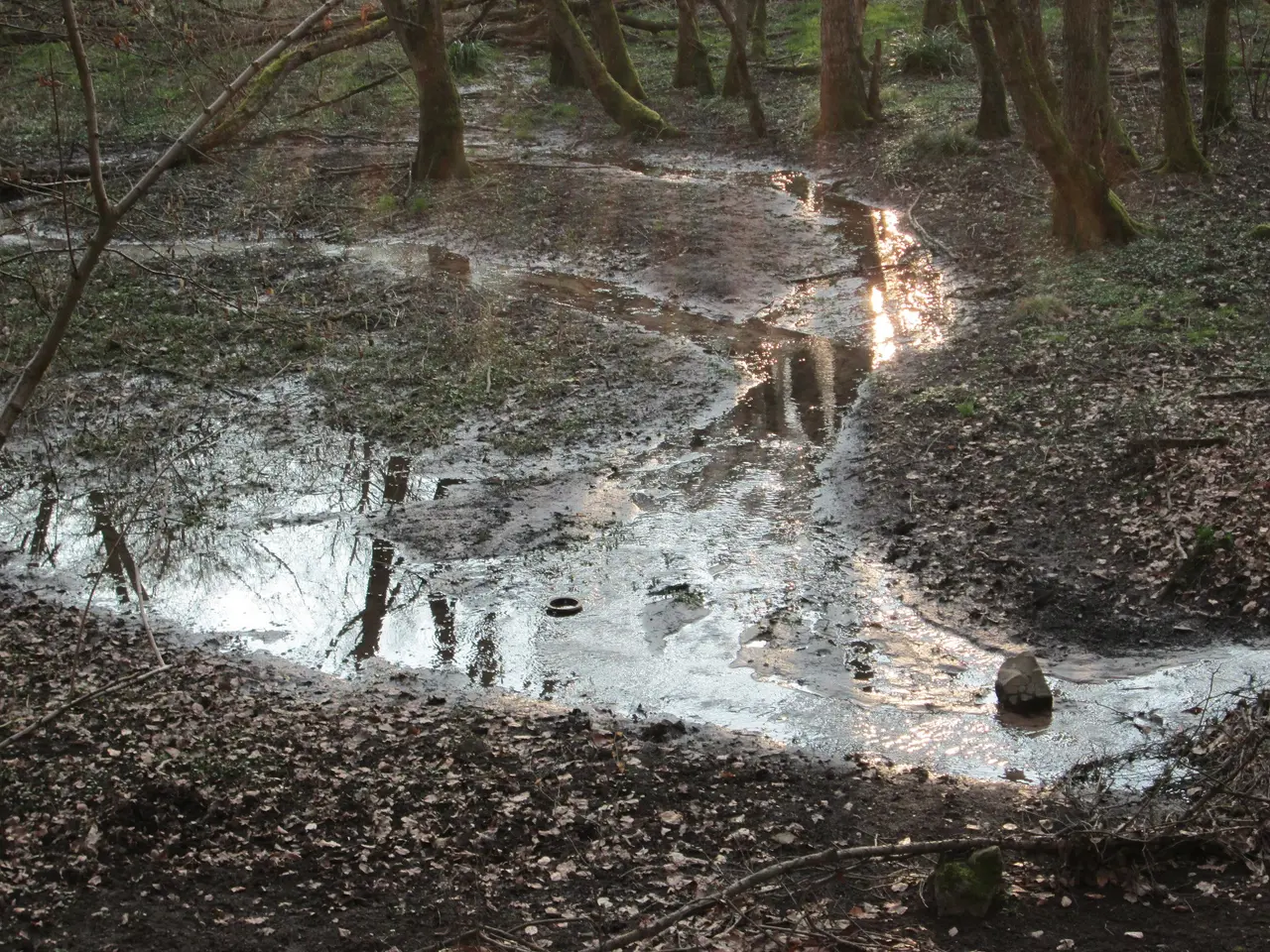
Forest soil functions like a giant sponge, absorbing and slowly releasing water. This gradual release reduces runoff, protecting against heavy rainfall and soil erosion. It also helps prevent flash floods in nearby towns and villages by controlling how quickly water flows into rivers and streams.
Trees also cool the air through evaporation, creating a refreshing effect in summer. At the same time, they contribute to cloud formation, which can increase local rainfall. These combined effects make forests vital for maintaining balanced water cycles.
To maximise these benefits, Baden-Württemberg's Forest Research Institute is running pilot projects across the state. One key strategy involves designing water crossings along forest paths to retain water for as long as possible. Another focus is transforming woodlands into climate-resilient mixed forests, better equipped to handle droughts and extreme rainfall.
Structurally diverse forests are particularly effective at regulating water. Their varied layers—from roots to canopy—slow down precipitation, allowing it to seep through soil layers and emerge as clean groundwater. No other German state has yet adopted similar large-scale initiatives, making Baden-Württemberg's approach unique.
The projects aim to strengthen forests as natural water managers. By improving retention and slowing runoff, they help protect against both droughts and flooding. The results could serve as a model for other regions facing climate-related water challenges.