How a Ski Resort Reinvented Itself for a Warmer Climate
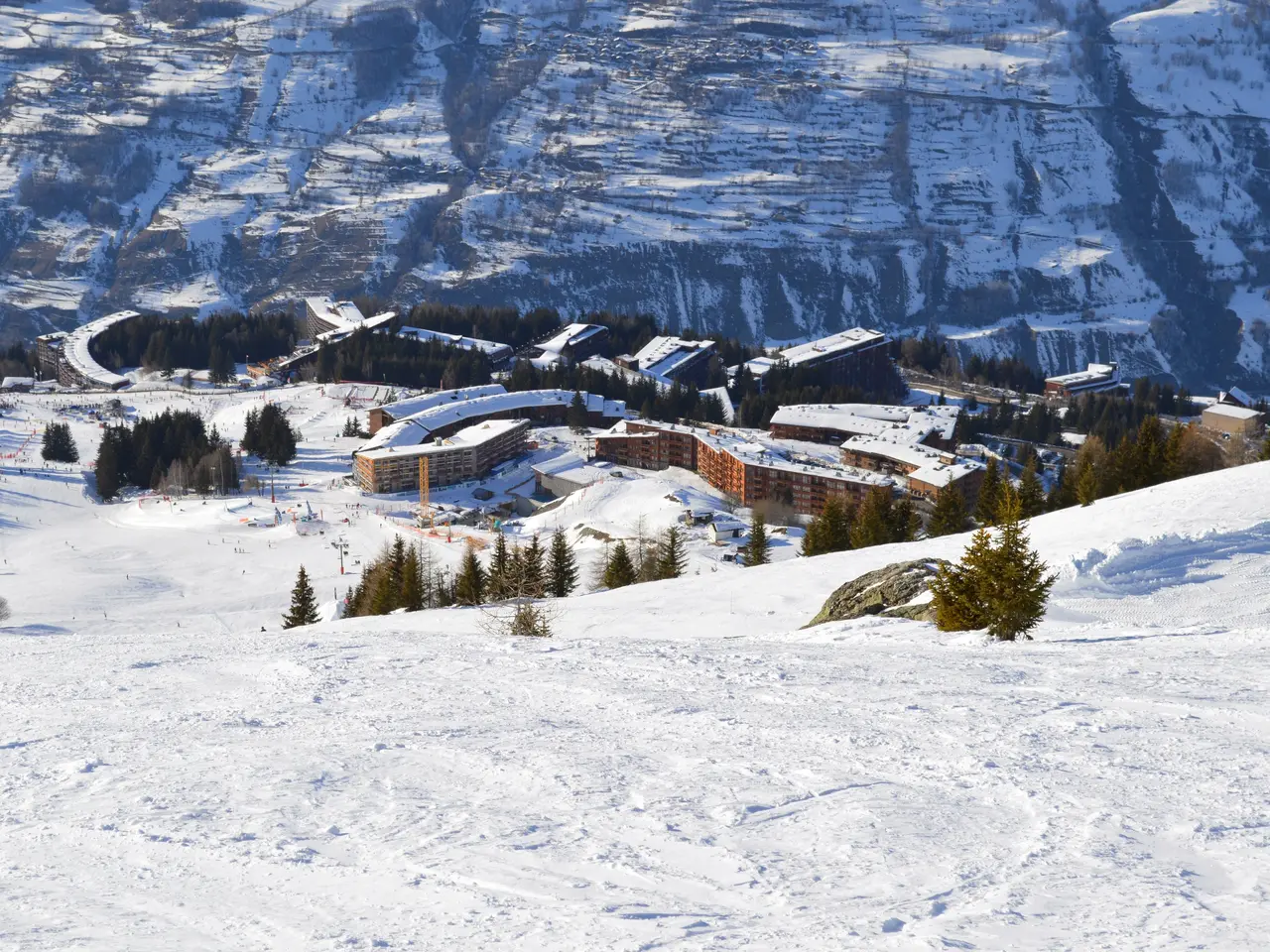
The Wexl Arena in St. Corona am Wechsel has become a global example of how mountain resorts can adapt to climate change. Last winter's unusually warm weather blurred the seasons, with children skiing while summer attractions remained open. Now, the region's shift to year-round tourism is proving both popular and profitable. For the past 15 years, Lower Austria has been transforming traditional ski resorts into all-season mountain destinations. The Wexl Arena stands out with its mix of activities: a small children's ski area, two bike lifts, a motor skills park, and a summer toboggan run. This variety has extended the visitor season to eight or nine months, with family skiing rounding off the year.
The strategy has paid off. The arena recently set a new record, drawing over 250,000 visitors in a single year. Its success also caught international attention when it was presented at the 13th UN World Congress on Snow, Mountain, and Wellness Tourism in Andorra. Experts highlighted the arena's efficient snow production and multi-use facilities as cost-effective solutions in a changing climate. The reinvention has attracted new types of visitors. People now come for the mountain air, panoramic views, and sunshine, not just winter sports. By blending summer and winter offerings, the Wechsel region has secured its future in tourism.
The Wexl Arena's approach demonstrates that adapting to climate change can bring economic benefits. With rising visitor numbers and recognition at a UN congress, the model confirms that flexibility in mountain tourism works. The region's focus on year-round attractions ensures stability—even as winters grow milder.