How a 2013 activist strategy triggered a decade of US border surges
A decade-long surge in migration to the US southern border began with a deliberate strategy by activists in 2013 and 2014. By guiding small groups of migrants to request entry through legal loopholes, they exposed a pathway that would later be used by millions. The approach relied on two key policies: the 'credible fear' screening process and the Obama administration's discretionary enforcement rules.
The activists' plan was never just about helping a few individuals. Instead, they aimed to force broader immigration reform by creating a crisis that would pressure Congress and the White House into action.
In early 2014, a group of roughly thirty migrants gathered in Tijuana, Mexico, preparing to cross into the USA. On March 10, they walked across the Otay Mesa Port of Entry pedestrian bridge and presented themselves to Customs and Border Protection (CBP) officers. Unlike most migrants, they did not try to evade authorities but instead asked for permission to enter.
The activists had coached them carefully. They instructed the migrants to focus on why they could not return home—citing violence, poverty, or gang threats—rather than why they wanted to enter the USA. The goal was to trigger the 'credible fear' screening, a process that could lead to temporary parole and release into the country. The Obama administration, despite internal concerns, approved their demands for the third time.
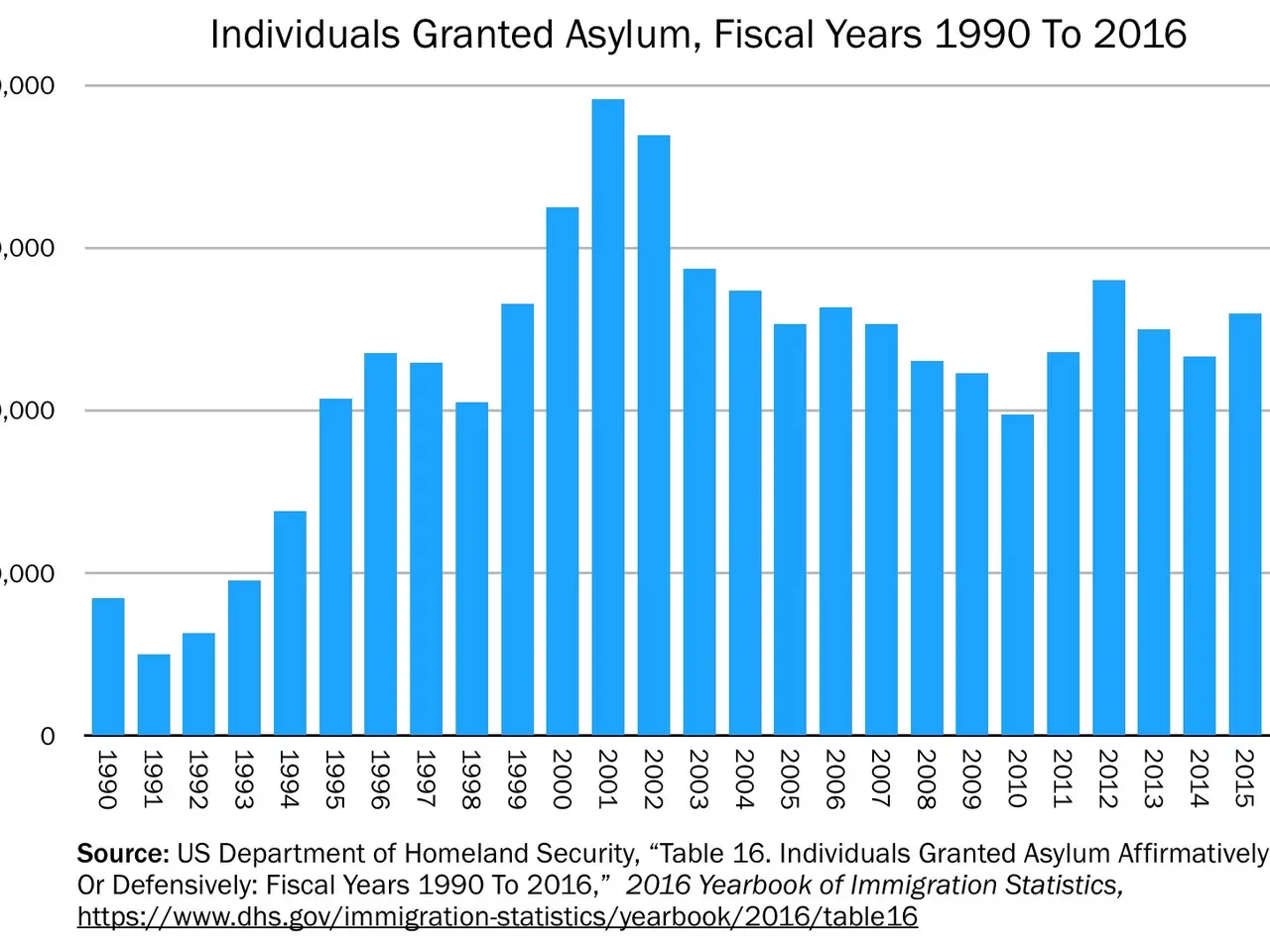
This tactic worked. By 2014, the number of unaccompanied minors arriving at the border surged to 68,445, up from far lower figures in previous years. The activists had proven that US policy—not just conditions in migrants' home countries—could drive large-scale movement. Over time, word spread, and the strategy was adopted widely. Border encounters climbed from around 977,000 in 2019 to nearly 2.5 million in 2023 under the Biden administration, which focused on managing rather than preventing migration flows.
The pattern only broke when President Trump closed the southern border in 2025. Migration numbers collapsed rapidly, confirming that policy decisions—not just 'push factors'—shape migration trends.
The 2013–2014 activist-led crossings set off a chain reaction that reshaped US migration for a decade. By exploiting legal gaps and pressuring the government, they created a model that millions later followed. The sharp drop in crossings after Trump's border closure further proved that policy changes—not just conditions abroad—determine how many arrive.
Read also:
- United States tariffs pose a threat to India, necessitating the recruitment of adept negotiators or strategists, similar to those who had influenced Trump's decisions.
- Weekly happenings in the German Federal Parliament (Bundestag)
- Massive 8.8 earthquake hits off the coast of Russia's Kamchatka Peninsula, prompting Japan to issue a tsunami alert.
- Court petitions to reverse established decision on same-sex marriage legalization