Heide to Büsum rail route gets €800K upgrade for accessibility and comfort
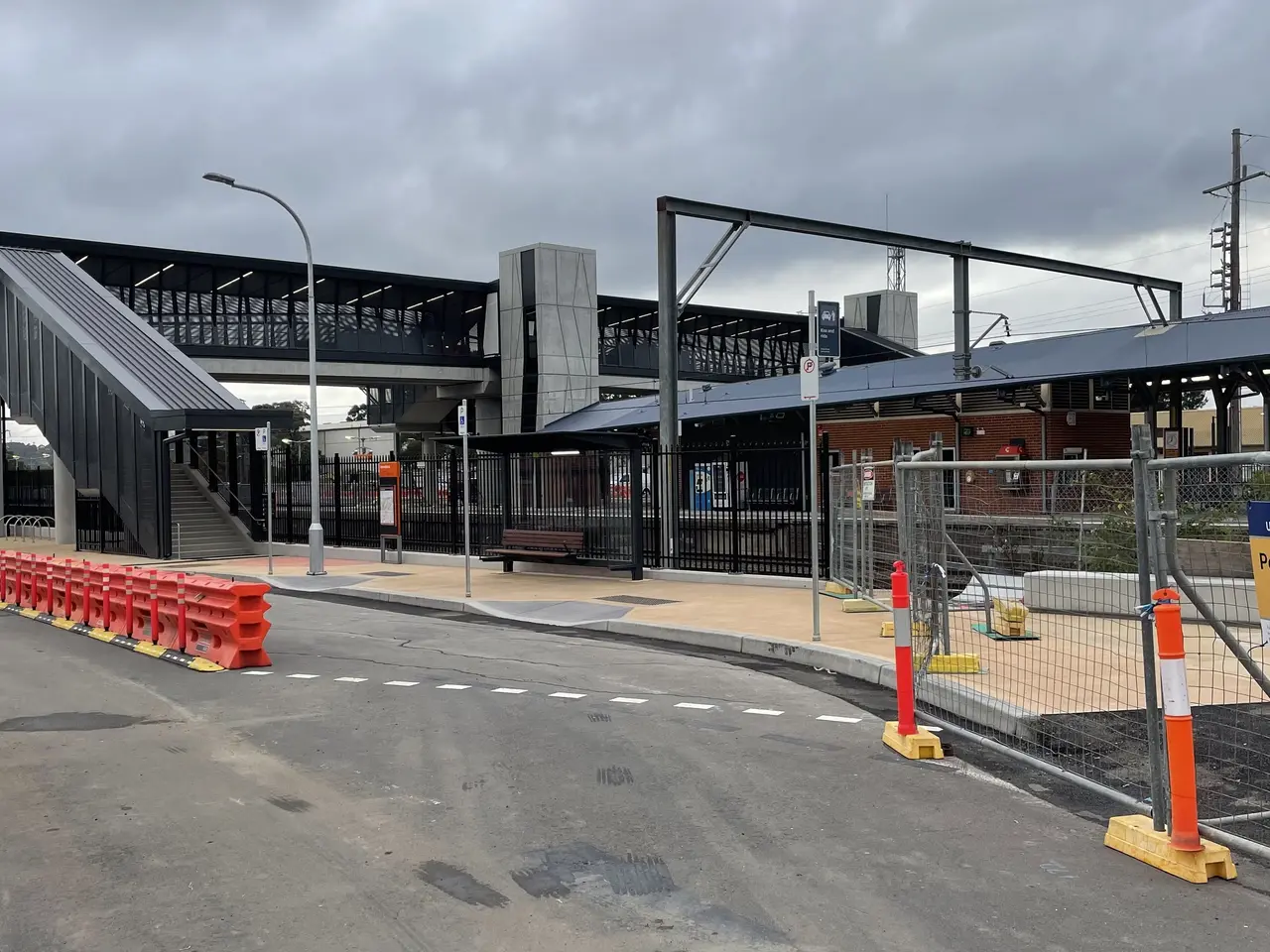
Five stations along the Heide to Büsum route have received upgrades as part of a major modernisation project. The improvements include new passenger facilities and accessibility features. A joint investment of over €800,000 from the federal government and Deutsche Bahn has funded the work. The Büsum station has undergone significant changes to enhance passenger comfort and accessibility. Step-free boarding is now available, making travel easier for those with mobility challenges. The station also features sustainable lighting, refurbished restrooms, and modern platform furniture. For visually impaired travellers, tactile guidance paths and paving have been installed.
A solar-powered mobile phone charging station has been added, offering an eco-friendly convenience. Weather protection has also been improved, ensuring a more comfortable wait for passengers. Dirk Teubler, head of station management for Schleswig-Holstein at DB InfraGO, called Büsum a future-proof hub designed for greater comfort.
Beyond Büsum, five other stops—Tiebensee, Jarrenwisch, Süderdeich, Reinsbüttel, and Wesselburen—have received digital passenger information displays. These upgrades aim to provide clearer travel updates for commuters along the route. The €800,000 investment has delivered modern amenities and better accessibility across six stations. Passengers can now expect improved convenience, clearer information, and more sustainable facilities. The upgrades mark a step toward a more efficient and inclusive rail network in the region.