Health Care Cost Confusion Grows as ACA Subsidies End in 2025
Americans are facing growing confusion over health care costs as Affordable Care Act subsidies ended in December 2025. With premiums and expenses rising, many struggle to pick the right insurance plan. The complexity of terms and unpredictable costs is making decisions harder than ever.
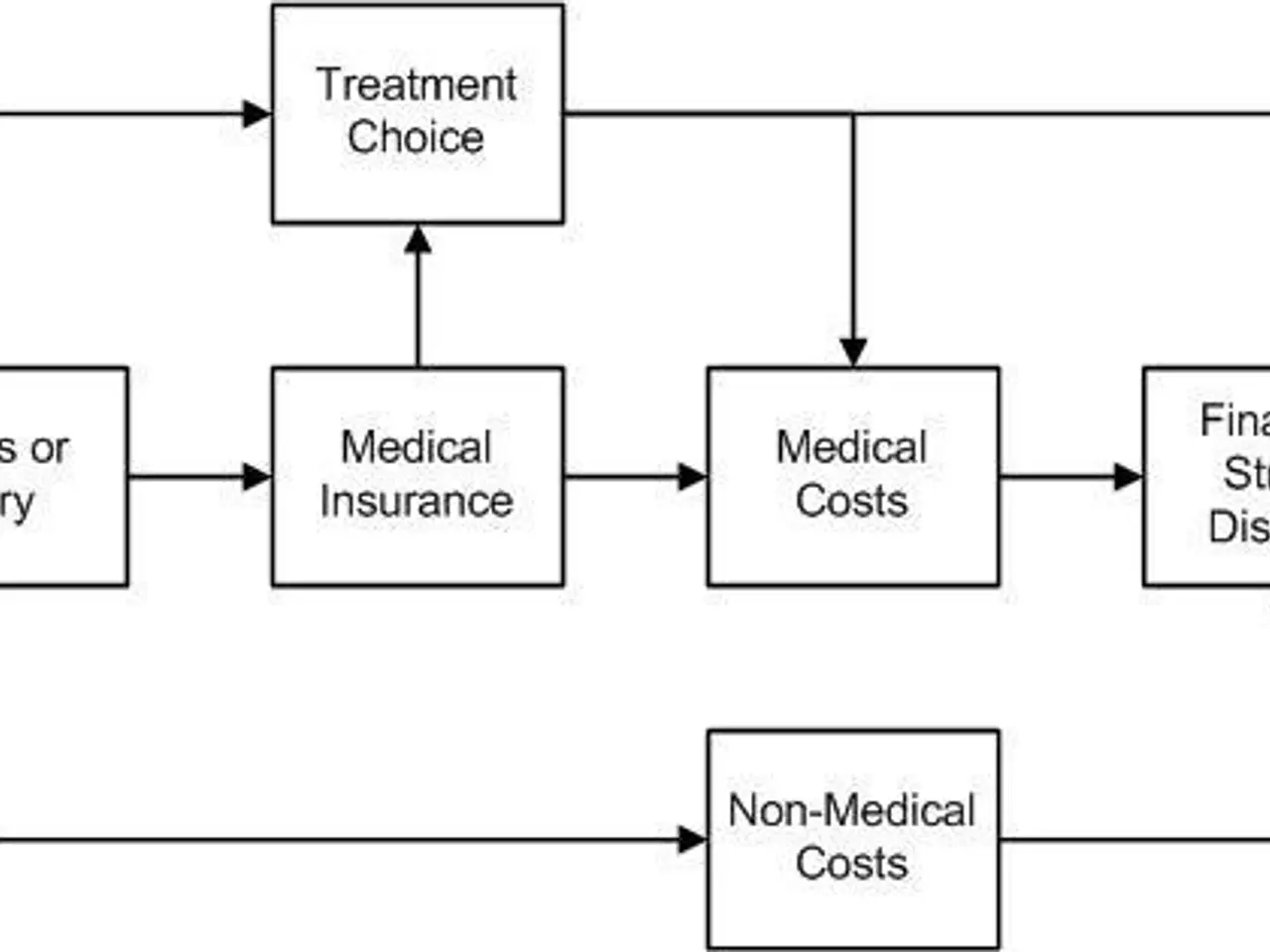
The end of the subsidies has left people with more questions about their options. Health insurance premiums—the monthly fee for coverage—keep climbing, regardless of whether policyholders use medical services. On top of that, out-of-pocket costs like deductibles, coinsurance, and copayments can pile up fast, making total expenses difficult to predict.
Federal rules do set a yearly limit on what patients pay for covered services, known as the out-of-pocket maximum. But even with this cap, the choice of plan still heavily affects final costs. In-network providers usually charge less than out-of-network ones, and some insurers split in-network options into cost tiers. Many Americans, however, don't fully grasp these terms, which complicates their ability to compare plans effectively.
The rules themselves add to the confusion. Deductibles, coinsurance rates, and copayments vary widely depending on the type of care and whether the plan covers an individual or a family. Without clear guidance, people often find it hard to estimate their actual expenses.
No states have reported unusually high premium increases since the subsidies ended, but overall costs continue to rise. The lack of straightforward information leaves many unsure about how to manage their health care spending. For now, the focus remains on understanding plan details before making a choice.