Column: Firefighters run toward danger. They need more support
Hawaii's flood dangers expose deadly gaps in first responder safety
It only takes 6 inches of fast-moving water to knock a full-grown adult off their feet, and 12 inches of water to carry away a small car.
Flooding kills more Americans than any other weather hazard except heat, with approximately 113 to 145 lives lost each year from 2015 to 2024, according to National Oceanic and Atmospheric Administration (NOAA) and National Weather Service (NWS) data. Flash floods are the nation's top storm-related killer.
March's Kona-low storms serve as a reminder of how quickly emergencies escalate, and how much we rely on our first responders. Over three years ago, my son, Maui firefighter Tre' Evans-Dumaran, lost his life at 24 years old responding to floodwaters in Kihei, a known high-risk flooding area where conditions can shift rapidly.
Tre' was sent into danger without proper training or safety equipment while on a non-emergency stop, and was swept into an uncovered storm drain. His death was preventable, and without change and accountability, the risk remains.
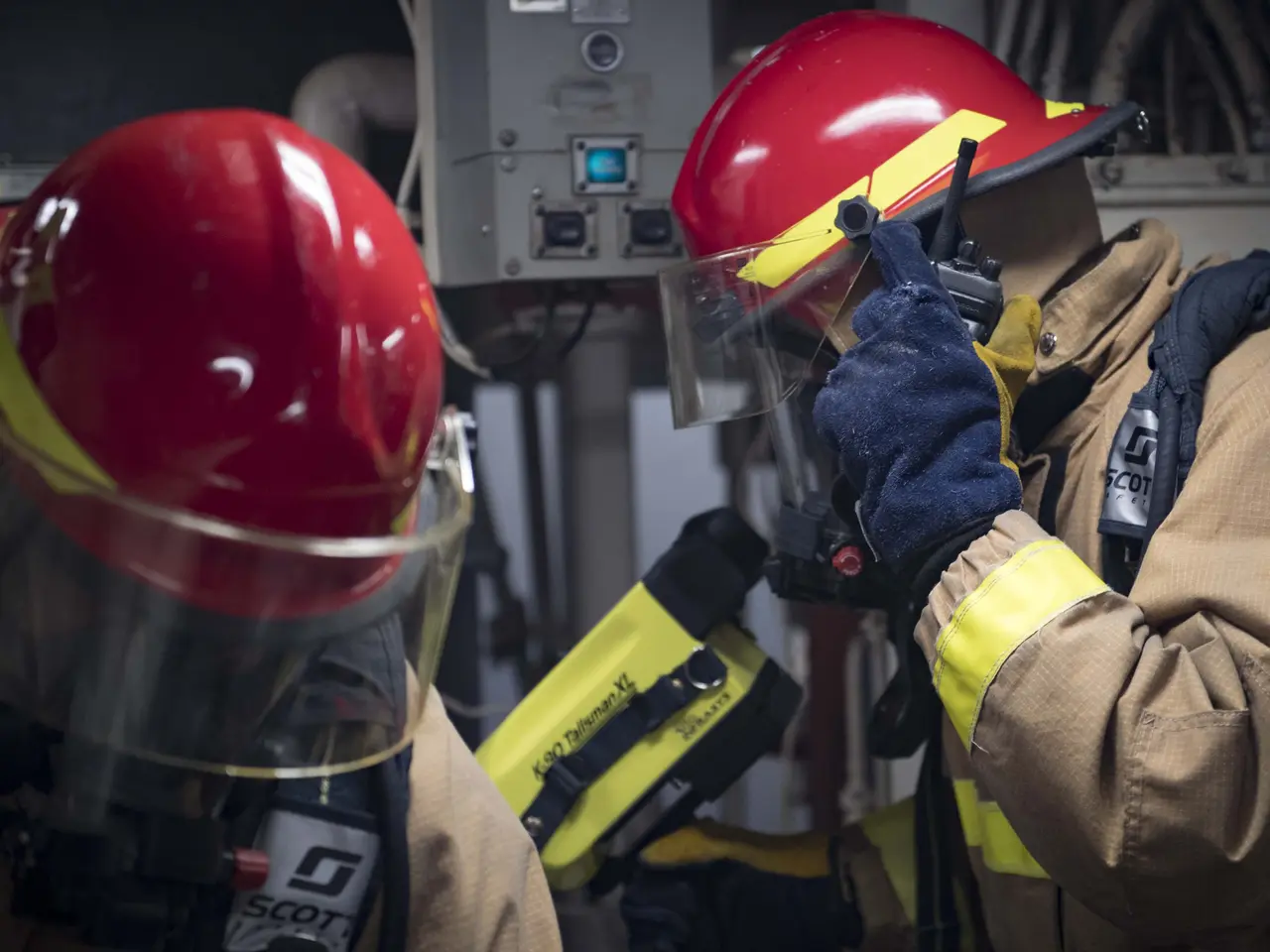
With the increase in extreme weather events, all our firefighters need ongoing flood-response training and certifications, specialized and reliable protection equipment such as helmets and high-buoyancy life vests, and thorough site hazard assessments to evaluate unsafe conditions. Regular third-party department safety audits help evaluate and reduce risks and ensure compliance with best practices.
We can also continue to introduce and support legislation like House Bill 2387 to enhance protections for firefighters in Hawaii seeking workers compensation benefits for occupational hazards, and advocate for fair pay for our firefighters and their families.
Finally, we must hold leaders accountable for implementing stronger safety standards and shifting fire department culture.
Heavy rains and flash flooding are a recurring risk in Hawaii. According to the Hawaii Emergency Management Agency, flash floods have killed 19 people in Hawaii in the last 23 years, contributing to one of the nation's highest drowning rates.
During the recent storms, more than 230 individuals were rescued from floodwaters, and thousands were forced to evacuate during record rainfall - the worst flooding to hit Hawaii in 20 years. Firefighters are often called to handle much more than fires, including these challenging swiftwater rescues, with support from other first responders.
Buildings throughout Hawaii are illuminated in red this week as part of the nationwide Light the Night for Fallen Firefighters campaign, led by the National Fallen Firefighters Foundation. Everyone is encouraged to share in this glow of respect by lighting your home in red. We also recognize National Fallen Firefighters Memorial Weekend, May 2-3, and International Firefighters' Day on May 4, in remembrance of their dedication and sacrifices.
We must continue to honor our firefighters by protecting them and ensuring that they receive the appropriate training, equipment and support to assess and respond to hazards and keep our communities safe.
The nonprofit Live Like Tre' Foundation is committed to advocating for our firefighters and supporting the communities they serve across Hawaii through scholarships, grants and gifts for those in need.
_Chelsie Evans Enos is founder of Live Like Tre' Foundation (liveliketre.org).