125 Years of Schauspielhaus: What You Always Wanted to Know - Hamburg’s Deutsches Schauspielhaus: A Century of Scandal and Theatrical Brilliance
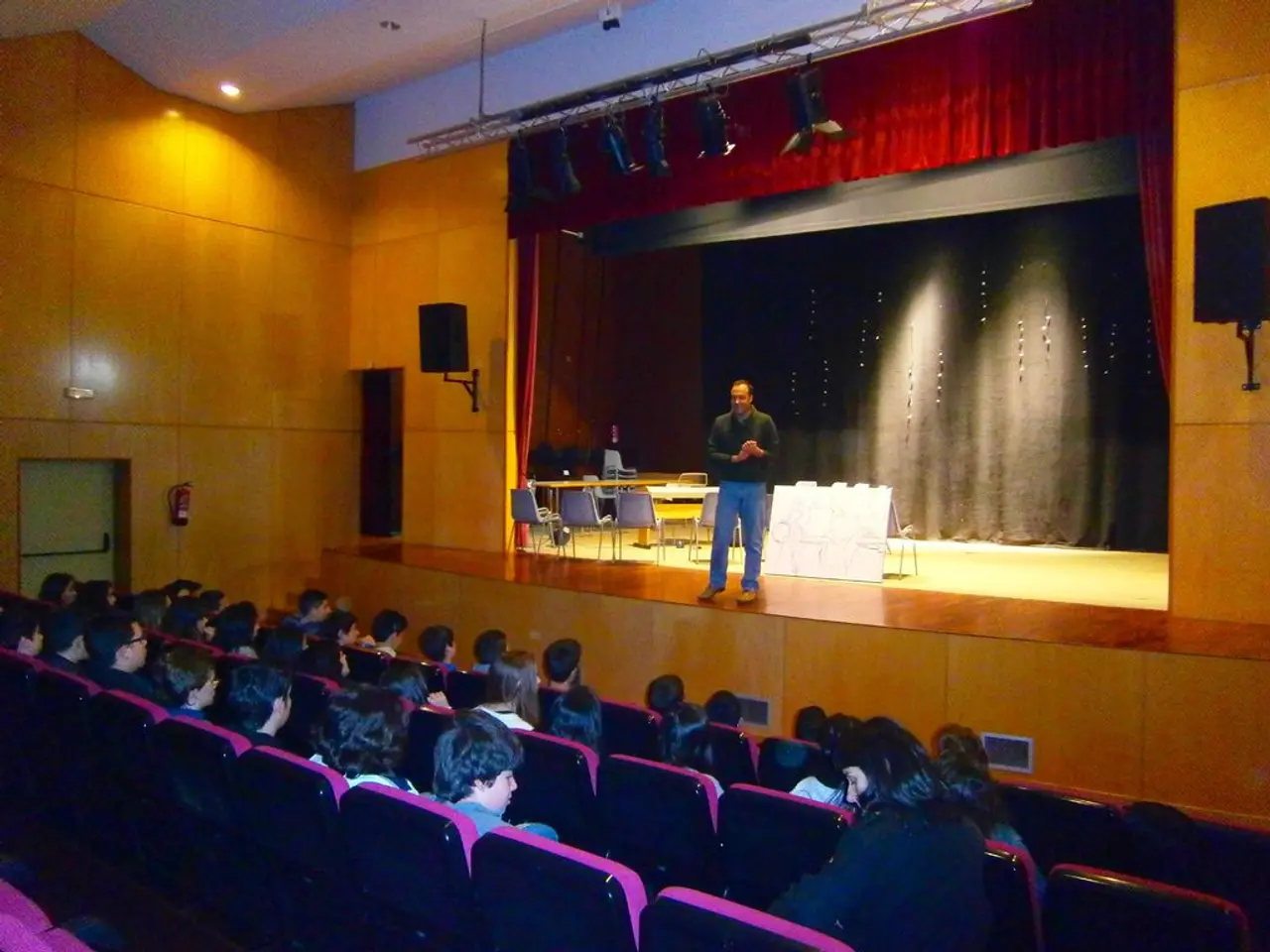
The Deutsches Schauspielhaus in Hamburg stands as Germany’s largest spoken theater, with 1,200 seats. Since its grand opening in 1900, it has hosted groundbreaking performances, fierce controversies, and some of the most influential directors and actors in German theater history. The venue’s legacy spans from early 20th-century scandals to modern-day acclaim, earning it 'Theater of the Year' six times.
The theater first opened its doors on September 15, 1900, with a premiere of Iphigenia in Tauris. Designed by the Viennese firm Fellner & Helmer, its architecture mirrored Vienna’s Volkstheater, setting a grand stage for decades of drama. Yet its history was not without turmoil: in 1929, National Socialist groups disrupted Ferdinand Bruckner’s play Die Verbrecher, bombing the performance and forcing its cancellation after just eleven shows. After 1933, the theater was purged of Jewish artists, reshaping its artistic direction under political pressure.
Today, the Deutsches Schauspielhaus remains a cornerstone of German theater, blending historic grandeur with avant-garde experimentation. Its stages have witnessed political upheavals, artistic revolutions, and some of the most talked-about performances in Europe. With a legacy of scandal, innovation, and repeated critical success, it continues to shape the future of spoken drama.